L-Ascorbic Acid & Retinal Serum Formulation Questions
Question
Hello, I would like to know: 1. When making a serum with the same percentage of L-ascorbic acid, are the efficacy of Fine and Ultra-Fine grades equivalent? 2. For L-ascorbic acid, is adding ActiveUV 1% and ActiveOX 1% sufficient to maintain the efficacy of vitamin C? Or should I also add Ferulic Acid and Vitamin E? 3. If mixing L-ascorbic acid in Glycol, which type of Glycol and what percentage should be used? 4. For a formula approximately like this: L-ascorbic acid 15% + ActiveRelease Retinal 0.5% + Niacinamide 5% + Tranexamic Acid 1% + soothing agents + thickeners, would it be too harsh for achieving whitening and spots correction results? 5. Can L-ascorbic acid be included as an active at 20% in a serum formula? 6. Can ActiveRelease Retinal 0.5% concentration be used as an active for an Every Day Serum? Or what percentage is recommended?
Answer
L-Ascorbic Acid and Retinal Formulation Questions
1. L-Ascorbic Acid Fine vs Ultra-Fine Efficacy
When formulating a serum with the same percentage of L-Ascorbic Acid, both the Fine and Ultra-Fine grades should offer comparable efficacy once fully dissolved. The primary difference lies in their particle size, with Ultra-Fine being smaller (under 45 microns) compared to Fine (200-300 microns). This smaller size makes the Ultra-Fine grade easier to disperse and dissolve, particularly in formulas with little to no water.
2. Stabilizing Vitamin C
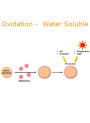
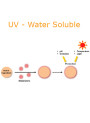
Using ActiveProtec™ UV at 1% and ActiveProtec™ OX at 1% can help protect your L-Ascorbic Acid serum from deterioration caused by UV light and oxidation. ActiveProtec™ UV contains UV absorbers and an antioxidant (Tocopheryl Acetate), while ActiveProtec™ OX provides high-performance antioxidants. Both are water-soluble, making them convenient for water-based serums.
Adding Ferulic Acid and Vitamin E (such as dl-alpha tocopherol) is another highly effective and classic approach for stabilizing L-Ascorbic Acid and enhancing its antioxidant benefits, particularly against photodamage. This combination is known for its synergistic effects. However, Ferulic Acid requires specific solvents like Ethoxydiglycol or ethanol, which would impact your formula's composition compared to using the water-soluble ActiveProtec™ ingredients. The choice depends on your desired formula properties and complexity.
3. Choosing Glycol for L-Ascorbic Acid
Glycols like Propylene Glycol, Butylene Glycol, and Pentylene Glycol can be used as solvents or co-solvents in L-Ascorbic Acid serums. They help dissolve the L-Ascorbic Acid and can improve stability, especially in anhydrous or low-water formulations.
The percentage of glycol depends on the total formula composition and the concentration of L-Ascorbic Acid. For higher concentrations of L-Ascorbic Acid (like 15-20%), a significant amount of solvent, including glycols, is often needed to ensure full dissolution and stability. Usage rates for these glycols in cosmetic formulas typically range from 1% to 20%, though they can be used higher in some solvent systems. Butylene Glycol and Pentylene Glycol are generally considered milder than Propylene Glycol.
4. Potency of the Proposed Formula
Your proposed formula containing 15% L-Ascorbic Acid, 0.5% ActiveRelease Retinal, 5% Niacinamide, 1% Tranexamic Acid, soothing agents, and thickeners is a very potent combination of active ingredients aimed at whitening and spot correction.
While each ingredient is beneficial, combining 15% L-Ascorbic Acid (which requires a low pH) with Retinal (a potent retinoid) significantly increases the potential for skin irritation, redness, and peeling, especially for individuals with sensitive skin or those new to these actives. Niacinamide at 5% is generally well-tolerated and can help improve the skin barrier, potentially mitigating some irritation. Tranexamic Acid at 1% is also typically well-tolerated.
The inclusion of soothing agents is important, but this formula is likely to be strong. It is highly recommended to perform a patch test before applying it to the face and to introduce it gradually into your routine (e.g., starting a few times per week).
5. Using L-Ascorbic Acid at 20%
While some commercial serums contain 20% L-Ascorbic Acid, the recommended usage rate for L-Ascorbic Acid in cosmetic formulations is typically up to 15% for whitening benefits. Using 20% is a very high concentration that requires a very low pH for stability, which significantly increases the risk of skin irritation. It is generally advisable to stick within the recommended usage rates to balance efficacy and minimize potential adverse reactions.
6. ActiveRelease Retinal 0.5% for Daily Use
ActiveRelease Retinal at 0.5% is a relatively low concentration compared to the recommended usage range of 1-5% (with 5% recommended for efficacy).
Whether 0.5% can be used as an every day serum depends on your individual skin's tolerance to retinoids. For beginners or those with sensitive skin, starting with 0.5% a few times a week and gradually increasing frequency might be necessary. For individuals already accustomed to retinoids, daily use of 0.5% might be well-tolerated, but a higher concentration within the recommended 1-5% range (e.g., 1-2%) might offer more noticeable results for daily use over time.
Related Products Mentioned
Vitamin E (Tocopheryl Acetate)
Safe-B3™ (Vitamin B3, Niacinamide)
Pure-Ferulic Acid™
Vitamin C (L-ascorbic acid) (Ultra-Fine)
Vitamin C (L-ascorbic acid) (Fine)
Vitamin E (dl-alpha tocopherol)
Propylene Glycol (USP)
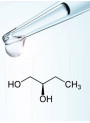
Butylene Glycol
Tranexamic Acid (Trans-White™)
Pentylene Glycol (Low-Odor)
ActiveProtec™ UV