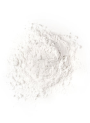
L-Ascorbic Acid Serum Oxidation and Stability
Question
Regarding the oxidation of L-ascorbic acid 15%:
The substance changes color from clear to light yellow and gradually darkens. In this case, can the serum still be used?
Should I stop using the serum immediately when it changes color, or should I stop using it when the serum changes to a dark brown color?
Would reducing the amount of L-ascorbic acid from 15% to 5% or 10% help reduce oxidation in the formula?
(The formula uses water as a solvent and contains L-ascorbic acid 15%, Vitamin E 0.1%, Ferulic Acid 0.1)
Alternatively, would adding a light yellow extract help reduce the visibility of the serum changing color?
[Image showing serum color change is provided]
Answer
Oxidation of L-Ascorbic Acid Serum
When your L-ascorbic acid serum changes color from clear to light yellow and then darkens, it indicates that the L-ascorbic acid is oxidizing and losing its potency.
- Can you still use it when it changes color? When the serum turns light yellow, it means some oxidation has occurred, and the concentration of active L-ascorbic acid has decreased. While it may still offer some benefits, its effectiveness is reduced compared to a fresh, clear serum. As the color darkens further towards brown, the amount of active L-ascorbic acid significantly diminishes.
- When should you stop using it? It is generally recommended to stop using an L-ascorbic acid serum once it turns a noticeable yellow. If it turns dark yellow or brown, it has lost most of its antioxidant power and may even become irritating. Continuing to use a heavily oxidized serum is unlikely to provide the desired skin benefits.
Reducing the concentration of L-ascorbic acid from 15% to 5% or 10% can help slow down the rate of oxidation because there is less of the unstable ingredient in the formula. However, it will not prevent oxidation entirely, especially in a water-based solution, as L-ascorbic acid is inherently unstable in water.
Adding a light yellow extract to the formula would mask the visible color change caused by oxidation. This would make it difficult for you to determine when the serum has lost its effectiveness, potentially leading you to use an inactive product. It is better to see the color change as a visual indicator of the product's stability and potency.
Your formula contains L-ascorbic acid, Vitamin E (Tocopheryl Acetate), and Ferulic Acid. Vitamin E and Ferulic Acid are known antioxidants that work synergistically with L-ascorbic acid to help stabilize it and provide enhanced protection against free radicals and UV damage. However, even with these stabilizers, L-ascorbic acid in a water base remains prone to oxidation over time.
To improve the stability of your L-ascorbic acid serum, consider:
- Storing the serum in an opaque, airtight container away from light and heat, ideally in a refrigerator (6-8°C).
- Using a lower pH (between 2.0-3.5) can help stabilize L-ascorbic acid, but be mindful of potential skin irritation at lower pH levels.
- Minimizing exposure to air during use (e.g., using an airless pump bottle).
- Considering more stable derivatives of Vitamin C for future formulations if stability is a major concern.
Related Products Mentioned
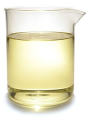
Vitamin E (Tocopheryl Acetate)
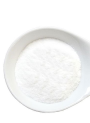
Pure-Ferulic Acid™