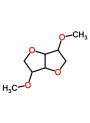
L-ascorbic acid Solubility and DMI Usage/Safety
Question
Here are my questions regarding L-ascorbic acid and Dimethyl Isosorbide (DMI):
Is it possible to dissolve L-ascorbic acid (Ultra-Fine) in a base containing only Dimethyl Isosorbide?
For example:L-ascorbic acid (Ultra-Fine) 25%Dimethyl Isosorbide 75%
I read in the technical details that Dimethyl Isosorbide has a suitable pH range of 5-6.5, and staff have mentioned in various threads that glycols do not have a pH value. Therefore, will dissolving ascorbic acid in a Dimethyl Isosorbide base affect the efficacy of ascorbic acid? Please clarify.
I have been trying to find information about DMI formulation. Some foreign supplier websites indicate that it can be used in anhydrous formulas from 40%-90%. Will using DMI at such high levels cause toxicity or any negative effects on the skin? Please provide clarification. Thank you very much!
Answer
Here are the answers to your questions regarding L-ascorbic acid and Dimethyl Isosorbide (DMI):
1. Dissolving L-ascorbic acid in DMI only
It is unlikely to achieve a complete, stable solution of 25% L-ascorbic acid (Ultra-Fine) in 75% Dimethyl Isosorbide alone. While L-ascorbic acid (Ultra-Fine) is designed for anhydrous formulas and DMI is a solvent that can help dissolve it and enhance penetration, 25% is a very high concentration for L-ascorbic acid in a single solvent system like DMI. L-ascorbic acid has limited solubility in many organic solvents. You might achieve a suspension or partial dissolution, but a clear, stable solution is improbable with DMI as the sole solvent at this concentration. The typical recommended usage rate for DMI as a solvent/carrier is much lower (1-10%).
2. pH and L-ascorbic acid efficacy
Your understanding of DMI's recommended pH range might be related to the optimal pH of the final formulation when using DMI, rather than the pH of DMI itself. Pure solvents like DMI do not have a pH in the same way aqueous solutions do.
When you dissolve L-ascorbic acid in a solvent system containing DMI, the L-ascorbic acid will make the solution acidic. L-ascorbic acid is most effective and stable at a low pH, typically between 2.0 and 4.0 (with FDA guidelines requiring cosmetic products applied to the skin to have a pH of at least 3.5).
Dissolving L-ascorbic acid in DMI (or any solvent system) will result in an acidic solution. The efficacy of the L-ascorbic acid will depend on the final pH of the formulation. To ensure optimal efficacy and stability of L-ascorbic acid, the final pH of your formulation should be adjusted to the recommended range (ideally 3.5-4.0 for skin compatibility). DMI itself does not negatively impact the efficacy of L-ascorbic acid; in fact, it can enhance its penetration. The key is managing the final pH of the product.
3. Safety of high concentration DMI
The typical recommended usage rate for Dimethyl Isosorbide (DMI) in cosmetic formulations is generally between 1-10% for its solvent and penetration enhancing properties. While some suppliers might indicate it can be used at higher concentrations (up to 90%) in certain anhydrous systems, using DMI at very high levels (40-90%) in a cosmetic product applied to the skin could potentially cause skin irritation or other adverse reactions, especially with prolonged use or on sensitive skin.
While DMI has a good safety profile at typical usage rates, using it at significantly higher concentrations than commonly recommended for cosmetics warrants caution. It's always best to adhere to established cosmetic usage guidelines and perform safety testing if formulating with concentrations outside the typical range.
Updated Review: May 2026
This section was added after reviewing the original answer against current product availability and formulation knowledge at the stated point in time.
Update as of 2026-05-31: Current MySkinRecipes catalog information still supports the main conclusion: a formula of 25% Vitamin C (L-ascorbic acid) (Ultra-Fine) in 75% Dimethyl Isosorbide (DMI) alone should not be assumed to form a clear, stable solution. The Vitamin C (L-ascorbic acid) (Ultra-Fine) listing supports use in anhydrous systems and lists a formula usage range of 3–15% with a recommended pH of 2.0–4.0 when pH is applicable. The DMI listing currently recommends 1–10% use, with 3% as a typical carrier level, and lists a pH compatibility range of 3–9. Therefore, using DMI at 75% or 40–90% in a leave-on cosmetic formula is outside the current catalog recommendation and would require separate stability, irritation, and safety evaluation before use. In an anhydrous DMI-only system, pH is not measured in the same way as in water-based formulas; pH guidance becomes meaningful when the final formula contains enough water/aqueous phase to measure pH.
Related Products Mentioned
Vitamin C (L-ascorbic acid) (Ultra-Fine)