L-Ascorbic Acid (Vitamin C) Stability and Usage
Question
What is the stability of L-Ascorbic Acid (Vitamin C)? Does it degrade, especially when mixed with water? How can it be used effectively to maintain its potency, and are there recommended formulation methods or alternative forms for better stability?
Answer
Using L-Ascorbic Acid (Vitamin C)
L-Ascorbic Acid is a highly effective form of Vitamin C, but it is also very unstable, particularly when dissolved in water. This is why it's generally not recommended to mix it directly with water or incorporate it into standard cream bases, as it can quickly oxidize and lose its potency.
How to use L-Ascorbic Acid:
To use L-Ascorbic Acid effectively and maintain its stability, consider these approaches:
- Anhydrous (Water-Free) Formulas: L-Ascorbic Acid is more stable in formulations that do not contain water, such as silicone-based serums or oil-based products (though it is not oil-soluble, it can be dispersed). The Ultra-Fine grade is particularly suitable for these types of formulas as it disperses easily.
- Low pH Water-Based Formulas: If formulating with water, the pH must be kept very low, typically between 2.0 and 4.0. However, for cosmetic products applied to the skin, the FDA requires a pH of at least 3.5. Maintaining this low pH helps stabilize the L-Ascorbic Acid. These formulas often require additional stabilizers.
- Using Stabilizers: To improve stability in water-based formulas, ingredients like Vitamin E and Ferulic Acid are often used together with L-Ascorbic Acid, as seen in products like Vitamin C E Ferulic. Chelating agents like Disodium EDTA are also crucial in water-based formulas to bind metal ions that can cause degradation.
Mixing with Distilled Water:
Mixing L-Ascorbic Acid powder with distilled water will cause it to oxidize rapidly. While it might be usable for a very short period (as suggested, perhaps around 3 days), its stability is very low and unpredictable. Factors like light, temperature, and the purity of the water will significantly affect how quickly it degrades. Applying a solution with a pH as low as required for L-Ascorbic Acid stability (2.0-4.0) directly to the skin nightly might also cause irritation.
Storage:
To keep the L-Ascorbic Acid powder itself stable for as long as possible, store it in the refrigerator at 6-8°C, away from sunlight and heat, in a tightly sealed container.
Given the complexity of stabilizing L-Ascorbic Acid in formulations, especially for beginners, you might consider using more stable derivatives of Vitamin C like Ethyl Ascorbic Acid, Ascorbyl Glucoside, Sodium Ascorbyl Phosphate (SAP), or Magnesium Ascorbyl Phosphate (MAP) if you prefer simpler water-based formulations. These derivatives are easier to work with but may have slightly different efficacy profiles compared to L-Ascorbic Acid.
Related Products Mentioned
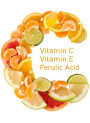
Vitamin C E Ferulic
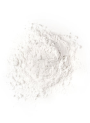
Vitamin C (L-ascorbic acid) (Ultra-Fine)
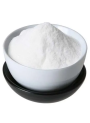
Vitamin C (L-ascorbic acid) (Fine)