LAA Serum Solubility, Alpha-Arbutin pH, and Salicylic Acid as Preservative
Question
I have several questions regarding cosmetic formulations:
- L-Ascorbic Acid (LAA) in Waterless Serum: Can
LAAinultrafineform be dissolved inpropylene glycolwithout water? Or does it require other ingredients to dissolve? - Alpha-Arbutin pH Stability: I read somewhere that
alpha-arbutinis easily degraded and not acid-tolerant. What pH range is suitable foralpha-arbutin? - Salicylic Acid as Preservative: Can
salicylic acidbe used as a preservative?
Answer
Formulation Questions Answered
Here are the answers to your questions regarding LAA serum, Alpha-arbutin pH, and Salicylic Acid as a preservative:
LAA (L-Ascorbic Acid) in Waterless Serum
L-Ascorbic Acid (LAA) is primarily water-soluble. While Ultra-Fine LAA is designed for easier dispersion in anhydrous (waterless) formulas, such as those using glycols (like propylene glycol) or silicones, it typically disperses rather than fully dissolves in propylene glycol alone without water. Achieving a stable, clear, waterless LAA serum usually requires specific anhydrous solvent systems or technologies designed for this purpose.
Alpha-Arbutin pH Stability
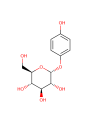
Alpha-arbutin is sensitive to pH. For optimal stability and effectiveness, it should be formulated in products with a pH between 3.5 and 6.5. It is important to avoid mixing Alpha-arbutin into formulations with a pH higher than 8, as this can cause it to break down into hydroquinone, which is a restricted substance.
Salicylic Acid as a Preservative
Salicylic Acid possesses antiseptic properties, meaning it can help inhibit the growth of microorganisms. While it contributes to the overall preservation of a formula, it is generally not recommended as the sole primary preservative, especially in complex formulations or those containing ingredients prone to microbial contamination (like natural extracts or proteins). However, if Salicylic Acid is already included in a formula for its primary function (e.g., exfoliation or acne treatment), its presence can help reduce the need for additional preservatives, provided the formula is not highly susceptible to spoilage.
Related Products Mentioned
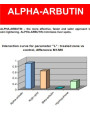
Alpha Arbutin (Switzerland)
Vitamin C (L-ascorbic acid) (Ultra-Fine)
Salicylic Acid (BHA, Pharma Grade)