Learning Cosmetic Formulation: Ingredients, Texture, and Commercial Production
Question
I am very interested in cosmetic formulation and would like to learn more, but not through formal education. I have two main questions:
1. What are the properties of various ingredients such as Base, thickener, and Skin feel agents? Are there any recommended textbooks or resources where I can find comprehensive information?
2. Is there a difference in the details or ingredients used when making cream for personal use versus making cream for sale? If so, what are they?
Answer
Learning About Ingredients and Cosmetic Formulation Basics
For those interested in studying cosmetic formulation, especially regarding Base, thickener, and Skin feel agents, you can find basic information from various sources:
Basic Information Sources
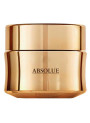
- MySkinRecipes Website: The information on each product on the MySkinRecipes website is an excellent resource for understanding the properties and uses of each type of substance. Examples include various Bases like Absolue Soft Cream Base or Mascara Base, thickeners such as EasyThick, Oil Thick Hard, CreamThick, Sepimax Zen, and skin feel agents like CoolTouch, CoCool, FlashTenser. Reading these product descriptions will help you get an overview and understand the specific properties of each ingredient.
- Textbooks and Specialized Books: If you wish to study in more depth, you can look for textbooks or books on Cosmetic Science or Cosmetic Formulation. These will cover fundamental principles, formula structure, and detailed properties of various substances.
- Online Resources: Websites of cosmetic organizations, cosmetic chemists associations, or online forums for those interested in cosmetic making are also good sources for knowledge exchange and information.
Making Cream for Personal Use vs. Making for Sale
Making cream for personal use and making it for sale differ in several aspects, especially when producing for commercial distribution:
- Ingredient Quality and Safety: Making for sale typically requires using Cosmetic Grade ingredients that meet standards and have undergone safety testing to ensure product quality and consistency.
- Formula Stability: Formulas intended for sale must undergo stability testing under various conditions to ensure the product does not separate, change color, or degrade within the specified shelf life.
- Preservation System: Products containing water must have an effective and safe preservation system to prevent microbial growth, which is crucial for commercial production.
- Efficacy and Safety Testing: Additional testing may be required, such as patch testing for irritation or testing the product's claimed efficacy.
- Regulations and Laws: Production for sale must comply with the laws and regulations of relevant authorities, such as FDA notification (in Thailand), correct labeling, and preparing various documents.
- Manufacturing Process: Large-scale production requires standardized processes (Good Manufacturing Practice - GMP) to control quality and hygiene.
In summary, making for personal use focuses on individual interest and specific needs, but making for sale requires much stricter adherence to standards, quality, safety, and legal regulations.
Related Products Mentioned

CoolTouch™ (Menthyl Lactate)

FlashTenser™ (Quick Skin Tenser)