Leave-in Conditioner Formulation and Ingredient Function
Question
I have a list of ingredients for a leave-in conditioner and would like expert advice on their functions and how to formulate a similar product. The ingredients are:
- Bishydroxyethyl Dihydroxypropyl Stearammonium Chloride
- Dimethicone Copolyol
- Dimethicone
- Propylene Glycol
- Isolaureth-6
- Peg-9OM
Could you please explain the role of each ingredient and provide guidance on creating a leave-in conditioner formula, including suggestions for adding beneficial ingredients like Panthenol, WaterLock™, Hydrolyzed Silk Protein, and Copper Peptide?
Answer
Understanding Leave-In Conditioner Formulas
Creating a leave-in conditioner formula typically starts with water as the primary base or solvent.
Based on the ingredients you listed and the previous discussion, here's a breakdown of their functions:
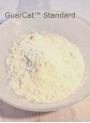
- Bishydroxyethyl Dihydroxypropyl Stearammonium Chloride: This is a type of Quaternary compound (Quat). Quats are positively charged ingredients that bind to the negatively charged surface of the hair. They act as conditioning agents by coating the hair, helping to reduce static, detangle, and provide a soft, smooth feel. GuarCat™ Standard is another example of a cationic ingredient used for similar conditioning effects and thickening.
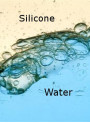
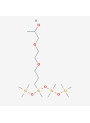
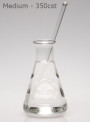
- Dimethicone Copolyol and Dimethicone: These are types of silicones. Silicones also coat the hair, providing a smooth, slippery feel and helping to prevent tangles. Dimethicone (Medium/350, Low-Odor) is a non-volatile silicone oil that provides a smooth feel. PEG/PPG-18/18 Dimethicone is a silicone emulsifier that can help combine water and silicone phases. While silicones and quats provide excellent feel and detangling, they primarily offer a coating effect rather than deep nourishment, as noted in the previous reply.
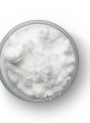
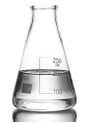
- Propylene Glycol: This ingredient acts as a humectant (helping the hair retain moisture) and a solvent, aiding in the mixing and stability of the formula.
- Isolaureth-6 and Peg-9OM: These were in your list but not detailed in the discussion. They are likely used as emulsifiers or surfactants to help blend ingredients that don't naturally mix (like oils/silicones and water) and to contribute to the texture and stability of the product.
Simple Leave-In Conditioner Formulation
A basic leave-in conditioner focusing on the coating benefits can be formulated with just a few key ingredients:
- Water: The main base.
- Dimethicone: Provides the smooth, coating effect.
- SiliSolve™: Acts as a binder to help the Dimethicone mix with water.
Mix the Dimethicone with SiliSolve™ first, then gradually add this mixture to the water while stirring until combined. This simple mixture can be used as a spray.
Adding Beneficial Ingredients
To enhance the formula with more nourishing properties, you can incorporate additional ingredients:
- Panthenol (Vitamin B5): A humectant and moisturizer that can be absorbed by hair and skin. It helps hair retain moisture, improves elasticity, and makes hair healthy and shiny. It is water-soluble and can be added to the water phase.
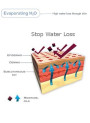
- WaterLock™ (Polyquaternium-51): This ingredient adheres to hair (and skin) to help prevent moisture loss and provides a slippery, conditioned feel. It is water-soluble.
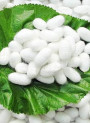
- Hydrolyzed Silk Protein: Provides amino acids to help nourish and strengthen hair. It is water-soluble and can be added to the water phase.
- Copper Peptide: Suggested for potential benefits in nourishing hair roots and stimulating hair growth. It is water-soluble and should be added in the final step of formulation at temperatures below 40°C.
When formulating, always ensure proper mixing procedures for each ingredient and consider adding preservatives to prevent microbial growth, especially in water-based formulas. The specific percentages of each ingredient can be adjusted based on the desired feel and performance of the final product.
Related Products Mentioned
Propylene Glycol (USP)
Dimethicone (Medium/350, Low-Odor)
GuarCat™ Standard (1,000-5,000mpas)
WaterLock™ (Polyquaternium-51)