LHA Gel Formulation for Acne, Exfoliation, and Anti-Aging: Ingredient Compatibility and Concentration
Question
I am developing a gel formulation for acne, exfoliation, and anti-aging. My proposed formula includes:
- Capryloyl Salicylic Acid (LHA) at 20%
- Bisabolol at 1%
- Flora Solve™ Clear at 2-5%
- Organic Natural thickener at 0.5-1%
- Water as the base.
I have the following questions:
- Is this base formulation feasible?
- Is using LHA at 20% concentration appropriate for a leave-on product, even if my skin is used to BHA?
- How can I properly dissolve LHA at this concentration?
- What are the compatibility and optimal pH ranges for adding the following ingredients to this LHA gel formula: Alpha Arbutin, Tranexamic Acid, Calendula Extract (Water Soluble), Licorice Extract, Lemon Peel Bioferment (Lemon Skin™), and Cucumber Extract (France)?
- Are there alternative thickeners that provide a clear gel texture?
- What other considerations (like preservatives) should I keep in mind?
Answer
Developing an LHA Gel Formulation for Acne, Exfoliation, and Anti-Aging
Based on your proposed formula and the staff's advice, this is a good approach to developing an LHA gel. This formula focuses on the exfoliating and anti-clogging properties of LHA, combined with Bisabolol to soothe the skin and reduce irritation.
Components in Your Proposed Formula:
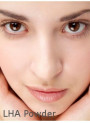
- Capryloyl Salicylic Acid (LHA): At your desired concentration of 20%. LHA is a derivative of Salicylic Acid with gentle exfoliating properties, helping to reduce clogged pores. Some research also suggests it has benefits for reducing wrinkles. According to the product information for Capryloyl Salicylic Acid (LHA) Powder, LHA is oil-soluble and requires heating to 70-80°C to dissolve. The recommended usage rate is typically no more than 2% due to the potential for significant irritation at higher concentrations. Although your skin is accustomed to BHA, using LHA at 20% is very high and the risk of irritation should be carefully considered. You may also need a suitable solvent for LHA at such a high concentration.
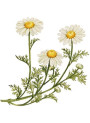
- Bisabolol: At a concentration of 1%. Bisabolol is an extract from chamomile flowers with prominent anti-inflammatory and soothing properties, which can help reduce potential irritation from LHA. Product information for Natural Bisabolol (Brazil Chamomile) and Bisabolol (Alpha Bisabolol, Bisabolol RAC) indicates that Bisabolol is soluble in oil and alcohol and stable over a wide pH range of 3-11, making it compatible with an acidic LHA formula.
- Flora Solve™ Clear: At a concentration of 2-5% to help solubilize Bisabolol into the water-based gel. Flora Solve™ Clear is a solubilizer effective at incorporating oils or fragrances into water bases without causing cloudiness. It should be used at a ratio of 2-5 parts Flora Solve™ Clear to 1 part oil, depending on the specific oil.
- Organic Natural thickener: At a concentration of 0.5-1% to create the gel texture. There are various natural thickeners available, such as CornThick™ (Corn Starch Modified For Gelling). This is a modified starch that creates a gel texture in water, is stable in the pH range of 3-9, and is resistant to electrolytes. However, it results in a milky white gel. When choosing a thickener, consider desired properties like clarity, stability, and compatibility with other ingredients.
pH Adjustment:
As advised by the staff, pH adjustment might not be necessary if the final pH of your formula (before adding the thickener, which might be added later) is already within the 3-4 range. This range is optimal for LHA's activity and suitable for Bisabolol's stability. However, measuring the pH after mixing is crucial to confirm it is within the appropriate range.
Compatibility with Additional Extracts and Actives:
You inquired about the compatibility of LHA with alpha arbutin, tranexamic acid, Calendula Extract, Licorice Extract, Lemon Peel Bioferment, and Cucumber Extract. The staff confirmed that they can be used together, depending on pH adjustment.
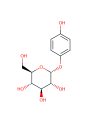
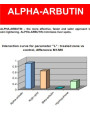
- Alpha Arbutin: (e.g., Alpha Arbutin (Switzerland), Alpha Arbutin (China, Powder, Enzymatic Synthesis), Alpha Arbutin (China, Crystal Form)) is a whitening agent effective in the pH range of 3.5-6.5 and should not be mixed in formulas with pH above 8 as it will degrade into Hydroquinone. Using it with LHA at pH 3-4 is compatible.
- Tranexamic Acid: (e.g., Tranexamic Acid (Trans-White™), Nano-TXA™ (Tranexamic Acid Nano Emulsion, Penetration Base)) is a whitening agent that helps reduce melasma and dark spots. It works well in the pH range of 3-8 (optimal at 4.0-7.0) and can be used with LHA.
- Calendula Extract (Water Soluble): has anti-inflammatory, wound-healing, moisturizing, and skin barrier strengthening properties. It has a pH of 5.5-6.5 and can be used with an LHA formula, but its effect on the final pH should be considered.
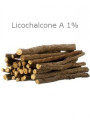
- Licorice Extract: (e.g., Licorice Extract (Licochalcone A 1%, Water-Soluble), Licorice Extract (Glabridin 4.5%, Water-Soluble)) has anti-inflammatory and anti-irritant properties, and some types have whitening properties (Glabridin). Water-soluble types typically have a pH in the range of 3.5-6.5 (Licochalcone A) or can be dissolved directly in water (Glabridin). They can be used with LHA.
- Lemon Peel Bioferment (Lemon Skin™): is a whitening agent and antioxidant effective in the pH range of 3.5-7 and can be used with LHA.
- Cucumber Extract (France): helps soften skin and reduce irritation. It has a pH of 5-7 and can be used with LHA.
Additional Suggestions:
- LHA Concentration 20%: While your skin may tolerate BHA, 20% LHA is still a very high concentration for a leave-on product. It is recommended to start with a lower concentration, such as 0.5-2%, which is the typical recommended usage rate for Capryloyl Salicylic Acid (LHA) Powder, to assess skin tolerance. If well-tolerated, you can gradually increase the concentration. 20% might be more suitable for a wash-off product.
- Dissolving LHA: Since LHA is oil-soluble and requires heat, your formulation process may need to involve a heated oil phase to dissolve the LHA before combining it with the water phase.
- Thickener: If you desire a clear gel, you might need to consider a different thickener that provides better clarity than CornThick™, which results in a milky texture.
- Preservative: Remember to include a preservative in your formula to ensure product stability and safety.
In summary, your proposed formula has a good concept for combining the benefits of LHA and Bisabolol, and the additional extracts/actives you inquired about are compatible with LHA under appropriate pH control. However, you should consider reducing the LHA concentration to a safer and more commonly recommended range for leave-on products to minimize the risk of irritation.
Related Products Mentioned
Alpha Arbutin (Switzerland)
Natural Bisabolol (Brazil Chamomile)

Calendula Extract (Water Soluble)
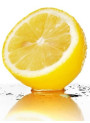
Lemon Peel Bioferment (Lemon Skin™)
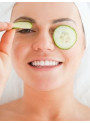
Cucumber Extract (France)
Tranexamic Acid (Trans-White™)