Lifting Serum Texture Instability: Liquifying in Cold, Lumping at Room Temp
Question
I have formulated a lifting serum with the following ingredients:
- Pro Polymer
- LipidSoft Lite (5%)
- DMAE Liquid (15%)
- Peptides
- Vitamin B3
- Lift-Now
When I store the serum in the refrigerator, the texture becomes liquid and clear. However, when I bring it back to room temperature, it thickens and forms lumps. This is the opposite of what is expected. What is causing this texture instability, and how can I fix it?
Answer
Hello,
I understand your concern about the texture change of your lifting serum. The behavior you described, where the serum becomes liquid and clear when refrigerated but thickens and forms lumps when brought back to room temperature, is quite unusual for most gels or serums, which typically thicken at lower temperatures.
Based on the formula you provided, which includes a gel maker (Pro Polymer), an emollient (LipidSoft Lite), and several high-concentration active ingredients (DMAE, Peptides, Vitamin B3, Lift-Now), the issue likely stems from a complex interaction between the gel maker (Pro Polymer) and the high-concentration, potentially charged active ingredients (Electrolytes), especially DMAE, as well as the emollient (LipidSoft Lite). This interaction appears to be highly sensitive to temperature changes.
Cause of the Problem
- Effect of Electrolytes on Pro Polymer: Pro Polymer is a type of gel-forming agent that is relatively sensitive to Electrolyte (substances with electrical charges, such as salts or some active ingredients with salt structures). Your formula contains DMAE Liquid which is DMAE Tartrate (a salt form) at a high concentration of 15% as well as Peptide and Vitamin B3 some of which may also carry charges. This high level of electrolytes can disrupt the network structure of Pro Polymer, reducing its ability to form a stable gel and causing the texture to become more liquid.
- Temperature Instability: Temperature fluctuations, especially alternating between low temperatures (refrigerator) and room temperature, destabilize the system, which is already sensitive due to the high electrolyte content. At low temperatures, the Pro Polymer network might temporarily collapse or weaken due to the combined effect of cold temperature and high electrolyte concentration, leading to a liquid, clear state (perhaps the dispersed phase settles or becomes less visible). When returned to room temperature, the polymer attempts to reform its structure, but the presence of high concentrations of active ingredients and LipidSoft Lite interferes with uniform network formation, causing the polymer and/or other components to aggregate, resulting in thickening and lumping. The initial white cloudy appearance when first made suggests the LipidSoft Lite and possibly some active ingredients are dispersed but not perfectly stabilized.
- Dispersion of LipidSoft Lite: Although LipidSoft Lite is a light emollient, its presence at 5% in a gel formula primarily using Pro Polymer as the sole thickener might require an emulsifier to help it disperse stably within the water phase, especially when other factors like electrolytes and temperature changes challenge the formula's stability.
Solutions
This type of issue indicates that the gel system in your formula lacks stability against temperature changes and the presence of other components in high amounts. The appropriate solution is to enhance the overall stability of the formula.
- Add an Emulsifier or Co-stabilizer: As the staff previously suggested, adding an emulsifier or a substance that helps different ingredients blend well will help disperse the LipidSoft Lite and various active ingredients more stably within the water phase. This reduces the chance of these ingredients interfering with or breaking down the Pro Polymer gel structure when the temperature changes. Using a suitable emulsifier will help the serum maintain a stable texture, prevent separation, and avoid lumping caused by temperature variations. Consider using Satin Cream Maker or other compatible emulsifiers.
- Adjust Pro Polymer Concentration: You might consider slightly reducing the Pro Polymer concentration as previously recommended (e.g., to 0.8%) and using an emulsifier to help provide stability and viscosity. Alternatively, you could explore using a different gel maker or combining Pro Polymer with another thickener that is more tolerant to electrolytes.
Effect of Allantoin
Adding Allantoin to the formula is unlikely to be the primary cause of the serum becoming liquid in the refrigerator and lumping at room temperature. Allantoin is water-soluble and relatively stable. It does not possess properties that would typically disrupt the Pro Polymer gel structure in a temperature-dependent manner like the issue you are experiencing.
Conclusion:
The problem likely arises from the instability of the gel system and the dispersion of ingredients in the formula when subjected to temperature changes, particularly low temperatures, and the effect of electrolytes from high-concentration active ingredients. The key to resolving this is to improve the overall stability of the formula, especially by helping to emulsify the water and oil phases and ensuring all active ingredients are well-dispersed and compatible across the temperature range the product will be stored at.
However, even if the serum's texture changes as described, if there is no unusual odor or clear separation that prevents remixing, the efficacy of the active ingredients should still be maintained. The physical appearance might just be less desirable.
I hope this explanation is helpful. Please feel free to ask if you have any further questions.
Related Products Mentioned
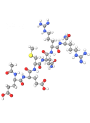
Acetyl Hexapeptide-8 (eq Argireline)
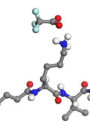
Pep®-Coll (Palmitoyl tripeptide-5)

Pal-GHK, Pal-GQPR (eq Matrixyl 3000)
Safe-B3™ (Vitamin B3, Niacinamide)

Allantoin
Phenoxyethanol (Extra Pure)
Pro Polymer™ (Gel Maker)

Satin Cream Maker™
Lift-Now™