Yes — this can be made as a 100% anhydrous body oil, so if you use only plant oils + oil-soluble vitamin E + an oil-soluble essential oil/fragrance, no emulsifier is needed.
Light, non-sticky body oil: trial formula
Use this as a small pilot batch first, because you need gifts within this week.
| Ingredient |
% starting range |
Purpose |
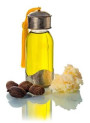
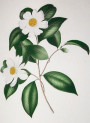
| Tea Seed Oil |
40–50% |
Main natural oil; medium feel, good skin nourishment |
| Shea Butter Light Oil |
20–30% |
Helps make the blend feel lighter and less greasy |
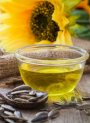
| Sunflower Oil High Omega |
15–25% |
Moisturizing support, light-to-medium carrier oil |
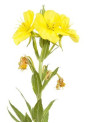
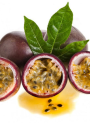
| Passion Flower Oil or Evening Primrose Oil |
3–8% |
Nourishing oil; keep moderate for oxidation/sensory balance |
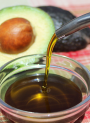
| Avocado Oil |
0–5% |
Extra nourishment for dry skin; keep low to reduce heavy feel |
| Vitamin E, e.g. Tocopheryl Acetate or dl-alpha Tocopherol |
0.2–0.5% |
Antioxidant support for the oil phase; also skin-conditioning |
| Essential oil or oil-soluble fragrance |
0.2–0.8%* |
Scent |
*Use the lower end first and follow the supplier/IFRA limit for the exact essential oil/fragrance. The 0.2–0.8% range is only a conservative trial range, not a safety clearance.
For claim wording, I recommend using “helps skin look radiant, soft, smooth and moisturized” rather than “whitening” or “makes skin white.” No permanent whitening or pigment-treatment claim should be made for this gift oil.
Can essential oil be mixed directly?
Yes, if it is oil-soluble and safe for leave-on body use. Essential oils are normally compatible with oil phases, so mix them directly into the oil blend. You do not need a solubilizer/emulsifier for an oil-only product.
Do not add water, aloe juice, hydrosol, glycerin, or water-based extracts to this simple formula. If any water-based ingredient is added, it becomes a different formula and will need an emulsifier plus a real preservative system. Vitamin E is not a preservative; it only helps slow oxidation of oils.
Quick process for gifts this week
- Make a small 50–100 g pilot batch first.
- Use only clean, completely dry tools and bottles.
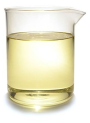
- Weigh all oils into a dry beaker.
- Add Vitamin E and mix until uniform.
- Add essential oil/fragrance last and mix gently.
- Let stand 12–24 hours.
- Check: no droplets, haze, sediment, separation, rancid smell, or sharp odor shift.
- Fill into clean dry amber/opaque bottles, label date and ingredients, and suggest patch testing.
Essential-oil safety notes
Be careful with citrus essential oils, especially cold-pressed citrus peel oils, because some can have phototoxicity limits. Flower-derived citrus materials are different from expressed peel oils, but still check the supplier safety/IFRA document. For friends who are pregnant, breastfeeding, fragrance-sensitive, or allergy-prone, keep fragrance very low or make an unscented version.