Lightweight Face Oil Serum Formulation: Texture, Solubility, and Stability
Question
I would like to create a face oil serum with a lightweight oil texture, not too heavy. The formula includes the following active ingredients:
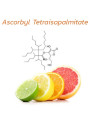
- Ascorbyl Tetraisopalmitate 10%
- Vitamin E (dl-alpha tocopherol) 2%
- Ethyl Ferulate 2%
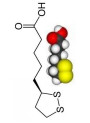
- Alpha Lipoic Acid 1%
- Stearyl Glycyrrhetinate 1.5%
- Ceramide 2 2%
- Phytosphingosine 2%
- Phytosterols Ester 3%
- Palmitamide MEA 5%
- Tea Tree Oil 0.5%
The total active ingredient percentage is 29%.
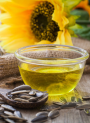
For the remaining 61%, I am interested in using Sunflower Oil + LipidSoft Lite as the base, with Sunflower Oil as the main component. I want to know how much LipidSoft Lite should be added to make the texture lighter.
I want Sunflower Oil to be the main oil but don't want the texture to be too heavy. I am aiming for a lightweight facial oil texture, similar to lighter counter brand facial oils (but not fractionated coconut).
Regarding the active ingredients, which ones are likely to cause thickening or precipitation? Please advise on how to reduce these issues. I am trying to avoid adding water to this formula for longer shelf life and to avoid preservatives.
Answer
Lightweight Face Oil Serum Formulation
You're looking to create a lightweight face oil serum with a specific blend of active ingredients, using Sunflower Oil and LipidSoft Lite as the base. Here's a breakdown of how to approach this and potential challenges:
Achieving a Lightweight Texture
To make the remaining 61% of your formula lightweight using Sunflower Oil and LipidSoft Lite, you can adjust the ratio between these two ingredients. Sunflower Oil is a natural oil, while LipidSoft Lite is a very light emollient designed to provide a non-greasy, smooth feel, similar to silicones but without being a silicone.
- Suggestion: A good starting point for the 61% base could be a 1:1 ratio of Sunflower Oil to LipidSoft Lite. This means approximately 30.5% Sunflower Oil and 30.5% LipidSoft Lite. If you desire an even lighter texture, you can increase the percentage of LipidSoft Lite and decrease the percentage of Sunflower Oil accordingly within the 61% total.
LipidSoft Lite is effective at reducing the heavy feel of natural oils, so increasing its proportion will directly contribute to a lighter, faster-absorbing serum.
Potential Thickening or Precipitation Issues
Your formula includes several active ingredients that are in powder form and can cause thickening or precipitation if not properly dissolved in the oil base. The high total concentration of these powder ingredients (11.5%) also increases the likelihood of stability issues.
Ingredients that are most likely to cause issues include:
- Ceramide 2 (Ceramide NG): This is a powder that requires heat (75°C+) and specific solvents (like LipidSoft Solve or certain glycols) to dissolve completely in oil. Without proper dissolution, it can crystallize and precipitate.
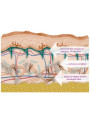
- Phytosphingosine SA: This powder is recommended to be dissolved in Octyldodecanol with high heat (80-90°C) for proper incorporation and stability. Your proposed base does not include Octyldodecanol, making it highly probable that this ingredient will not fully dissolve and will precipitate.
- Pure-Phytosterols: This is also a powder that dissolves in oil, with Octyldodecanol recommended to aid dissolution. It can withstand heat up to 80°C. At 3%, it's a significant amount of powder that may not fully dissolve in a simple Sunflower Oil/LipidSoft Lite blend without specific techniques or co-solvents.
- Palmitamide MEA: This powder requires heat (70°C) and specific solvents (like Olive Oil, Butylene Glycol, Ethoxydiglycol, Flora Solve) for dissolution. Its solubility in Sunflower Oil and LipidSoft Lite needs to be confirmed, and it will likely require heat to incorporate properly at 5%.
While Ascorbyl Tetraisopalmitate, Vitamin E, Ethyl Ferulate, Alpha Lipoic Acid (ALA Ready), Stearyl Glycyrrhetinate, and Tea Tree Oil are generally compatible with oil bases, the significant amount and specific dissolution requirements of the powder ingredients (Ceramide 2, Phytosphingosine SA, Pure-Phytosterols, Palmitamide MEA) pose a challenge for creating a stable, clear, lightweight oil serum without water.
To minimize thickening or precipitation, you might need to:
- Reduce the concentration of the powder ingredients, especially Phytosphingosine SA, Ceramide 2, Pure-Phytosterols, and Palmitamide MEA.
- Consider incorporating co-solvents or emollients known to help dissolve these specific powders, although this would alter your base composition.
- Ensure proper heating and mixing during the formulation process to attempt to dissolve these ingredients, although complete dissolution and long-term stability in this specific base blend without the recommended solvents may still be difficult.
Creating an anhydrous (water-free) formula can indeed help with shelf life and avoiding preservatives, but it requires careful consideration of the solubility and stability of all ingredients in the chosen oil base.
Related Products Mentioned
Vitamin E (dl-alpha tocopherol)
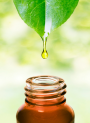
Tea Tree Oil (Extra Grade, Terpinen‑4‑OL >43%, Australian)
ALA Ready™ (Alpha Lipoic Acid Oil Base)
Palmitamide MEA
Phytosphingosine SA
Stearyl Glycyrrhetinate
Pure-Phytosterols™

Ceramide 2 (Ceramide NG)