Lightweight, High SPF/PPD Sunscreen Formulation for Oily Skin
Question
How to formulate a lightweight, non-greasy, colorless, water-resistant sunscreen for oily skin that achieves SPF ~50 and PPD ~30?
Answer
Lightweight, Water-Resistant Sunscreen Formulation for Oily Skin (SPF 50, PPD 30)
Based on your requirements for a lightweight, non-greasy, colorless, water-resistant sunscreen for oily skin with high SPF and PPD, and considering the previous advice, here is a suggested approach and ingredient list:
Achieving SPF ~50 and PPD ~30 requires a significant concentration of UV filters. To ensure a light texture despite this, we can utilize efficient filters and texture-enhancing ingredients as discussed.
Suggested UV Filter Combination
Following the staff's suggestion (Approach A) to use DHHB as a base for UVA protection and combine it with other chemical filters to reach a total of 20-25% concentration, a possible starting point is:
- DHHB: 5% (Provides strong, stable UVA-I protection)
- Avobenzone: 3% (Provides broad UVA protection, requires stabilization)
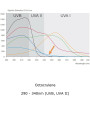
- Octocrylene: 8% (Provides UVB and UVA-II protection, helps stabilize Avobenzone)
- Homosalate: 7% (Provides UVB protection and acts as a solvent for other filters)
This combination totals 23% UV filters, falling within the recommended range for high protection. This blend offers broad-spectrum coverage (UVA/UVB).
Texture Enhancement
To achieve the desired lightweight, non-greasy feel suitable for oily skin, incorporate emollients and texture modifiers:
- LipidSoft™ CC: Include this emollient, perhaps at 5-10%. It has a light texture, is considered oil-free, and helps improve spreadability and reduce the greasy feel of the high filter load.
- Mattifying Powders: Ingredients like MatteSilica or PowderCream™ can absorb excess oil and provide a matte finish. MatteSilica offers oil absorption and a slippery feel, while PowderCream™ can give a powdery finish to the cream texture.
- Silicones: Silicones such as Cyclopentasiloxane (for volatile, fast-evaporating feel, suitable for shake lotions) or various Silicone Gel types can provide slip, reduce tackiness, and contribute to a smooth, non-greasy application.
Other Essential Components
- Base: Choose a base suitable for a light feel, such as a lightweight Oil-in-Water (O/W) emulsion or a silicone-based system (like a shake lotion).
- Water Resistance: Include film-forming polymers to ensure the sunscreen remains effective after contact with water or sweat.
- Emulsifiers: If using an emulsion base, select appropriate emulsifiers that can handle a high oil phase (from the UV filters and emollients).
- Preservatives: To protect the formulation from microbial contamination.
- Antioxidants: To help protect the formula and skin.
- No Color: Simply omit any colorants.
Formulating sunscreen requires careful balancing of ingredients for stability and efficacy. The percentages provided are starting points, and actual SPF/PPD values must be confirmed through testing of the final formulation.
Related Products Mentioned
Octocrylene
LipidSoft™ CC (Cetyl Ethylhexanoate)
MatteSilica 5™ (5 Micron)
PowderCream™ (Water Absorbing PMMA)
Oxybenzone (Benzophenone-3)