Lightweight Vitamin C Serum: Incorporating Vitamin E Oil and Stability
Question
I have a formula for a lightweight L-ascorbic acid serum containing 1% Vitamin E oil. Can this formula be made? What ingredient should I use to emulsify or solubilize the 1% Vitamin E oil into the water-based formula? Is Silky Serum Base Plus suitable, or should I use something else like Laureth-23, considering I want a lightweight texture and need to maintain Vitamin C stability?
Answer
Lightweight Vitamin C Serum Formulation
Regarding the feasibility of your lightweight Vitamin C serum formula and how to incorporate the 1% Vitamin E oil:
Your formula is generally feasible, combining L-ascorbic acid with stabilizers like Ethoxydiglycol, Butylene Glycol, Ferulic Acid, and Disodium EDTA, along with hydrating ingredients like 4D Hyaluron and Glycerin, and a preservative (Phenoxyethanol). The use of a brown glass bottle with a pump is also appropriate for protecting the light-sensitive Vitamin C.
Incorporating Vitamin E Oil
You have 1% Vitamin E (dl-alpha tocopherol), which is oil-soluble, in a predominantly water-based formula. To incorporate this oil phase into the water phase, you need an emulsifier or solubilizer.
Silky Serum Base Plus: Based on its description, Silky Serum Base Plus is a base that can help coordinate oils in a formula and can accommodate oils up to 30%. While it's not a traditional strong emulsifier, it may be able to help incorporate 1% Vitamin E (dl-alpha tocopherol) into your serum, contributing to a smooth texture. However, its ability to create a stable, long-term emulsion for the oil phase at this concentration and in this specific formula (especially with L-ascorbic acid) is not guaranteed and would require stability testing.
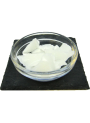
Laureth-23: Laureth-23 is a dedicated O/W emulsifier suitable for incorporating oil into water. It has a high HLB, appropriate for emulsifying oils. However, it is a solid emulsifier that typically requires heating to 60-70°C to melt and be incorporated into the oil phase before mixing with the water phase. This heating step is generally not recommended for L-ascorbic acid formulations as heat can degrade Vitamin C, reducing its effectiveness and stability.
Recommendation
While Silky Serum Base Plus might assist in incorporating the 1% Vitamin E (dl-alpha tocopherol) due to its oil-coordinating properties, it is not a primary emulsifier designed for robust emulsion stability. Laureth-23 is a proper emulsifier, but the required heat is problematic for L-ascorbic acid.
For better stability of the 1% Vitamin E (dl-alpha tocopherol) in your L-ascorbic acid serum, especially if you want to avoid heat, you might consider using a cold-processable solubilizer or a different type of emulsifier specifically designed for low-viscosity serums or clear solutions that can handle small amounts of oil without requiring heat.
If you proceed with Silky Serum Base Plus, monitor the serum closely for any separation over time and under different temperature conditions to ensure stability.
Related Products Mentioned
Pure-Ferulic Acid™
Vitamin C (L-ascorbic acid) (Ultra-Fine)
Vitamin E (dl-alpha tocopherol)
Ethoxydiglycol (e.q. Transcutol)
Triethanolamine 99%
Laureth-23

Glycerin (USP/Food Grade)
Phenoxyethanol (Extra Pure)
Disodium EDTA
Butylene Glycol
Silky Serum Base Plus (Face/Eye, Oil)