Lip Balm Formulation for Dry, Dark Lips: Whitening Agents and Wax Bases
Question
I am developing a lip balm formula for dry and dark lips, using an oil-based formula. Previously, I encountered compatibility issues when trying to mix water-soluble ingredients like Active Resveratrol™ and Oxyresveratrol with an oil base, understanding now that Water Balm™ is needed for emulsification in such cases.
My current formulation uses an oil base, and I plan to include Sym White, which is oil-soluble. I would like to know if Sym White is suitable for use on the lips, especially considering my lips are currently dry and sensitive. The staff mentioned it might cause irritation.
Additionally, I am considering using waxes, such as Beeswax, as a base for the lip balm. Are waxes suitable for this purpose, similar to traditional Thai 'See Pueng' formulations? What are the benefits of using waxes in a lip balm base?
Answer
Lip Balm Formula for Dry and Dark Lips
Addressing dry and dark lips requires a gentle, nourishing formula. Based on your history of allergies and preference for a less greasy texture than Petroleum Jelly, a lip balm using a blend of waxes, butters, and oils is a suitable approach. This type of base provides both a protective barrier and deep moisturization, unlike Petroleum Jelly which primarily seals the surface.
Choosing a Whitening Agent
For addressing lip darkness, you can use certain whitening agents typically used for skin. However, for the sensitive lip area, it's crucial to choose ingredients that are gentle and ideally offer additional skin benefits. While agents like Sym White can be used, they may pose a higher risk of irritation, especially on dry or compromised skin, and primarily offer only whitening without nourishment.
Ingredients like MSH White™ (Undecylenoyl phenylalanine) are oil-soluble and work by reducing melanin pigmentation, making them suitable for an oil-based lip balm. They offer a direct approach to brightening.
If you choose to use a whitening agent you already use for your face, ensure it is oil-soluble and consider using it at a lower concentration (e.g., 50% of the concentration used for facial skin) to minimize potential irritation on the lips.
Why Not Add to Existing Balm?
While convenient, adding active ingredients to a pre-made lip balm is not recommended. It's difficult to ensure the active is properly mixed, stable, and at the correct concentration, which can affect both efficacy and safety, especially with sensitive skin.
Using Waxes as a Base
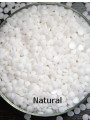
Yes, waxes are excellent for lip balm bases! They are key components in traditional lip balms and products like 'See Pueng'. Waxes, such as Natural White Beeswax, help solidify the balm, create a protective layer to prevent moisture loss, and provide a less greasy feel compared to pure oils or jellies. Combining wax with nourishing butters and oils creates a balanced texture that is both protective and conditioning.
Sample Lip Balm Formula Structure
A basic structure for a nourishing and brightening lip balm could include:
- Wax: Natural White Beeswax provides structure and a protective barrier.
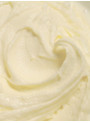
- Butter: Shea Butter (Ultra Soft) offers deep moisturization and improves texture.
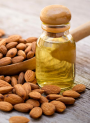
- Nourishing Oil: NaturalProfile™ Sweet Almond Oil (Cold-Pressed) adds emollience, vitamins, and helps soothe dry skin.
- Whitening/Nourishing Active: MSH White™ (Undecylenoyl phenylalanine) to help reduce lip darkness.
By adjusting the ratio of wax to butters and oils, you can control the final hardness and feel of the balm to suit your preference for a less shiny finish that works well under lipstick.
Creating your own formula allows you to select ingredients known to be less irritating and tailor the product specifically to your needs for both dryness and darkness.
Related Products Mentioned
Shea Butter (Ultra Soft)