Lip Balm Formulation: Ingredient Information and Usage
Question
I have a list of ingredients for a lip balm formulation and would like to know the appropriate mixing proportions. Could you also provide information about each ingredient and suggest alternatives for any ingredients not available from MySkinRecipes? The ingredients I have are:
- Phytosterol (Pure-Phytosterols™)
- Pentaerythrityl Tetraethylhexanoate
- Diisostearyl Malate (LipidSoft™ Disperse)
- Squalane (Squalane (Olive))
- Isotridecyl isononanoate
- Synthetic wax (Glossy Wax)
- Meadowfoam delta-lactone
- Sorbitan isostearate
- Lauryl PCA
- Tocopheryl Acetate (Vitamin E)
- Parfum
- Silica (MatteSilica 5™)
- Tocopherol (Vitamin E)
- Alumina
- CI 77891 (Titanium Dioxide)
- Mica
Answer
Lip Balm Formulation: Ingredient Information and Usage
Hello! I understand you are looking for mixing proportions for a lip balm using the ingredients you listed. However, I cannot provide exact proportions or percentages for these ingredients in a formula. The appropriate proportions depend on the specific formula you wish to replicate, and each brand may have different ratios to achieve the unique properties of their product.
The information I can provide is details about each ingredient and their general role in cosmetic formulations, to help you understand the function of each ingredient and how you might experiment with them in your own formula.
Based on the ingredients you listed and the additional recommendations from the staff, here is some basic information:
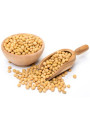
- Phytosterol (Pure-Phytosterols™): A plant extract with properties that help soothe the skin, reduce inflammation, and strengthen the skin barrier.
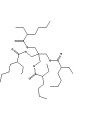
- Pentaerythrityl Tetraethylhexanoate: An Emollient Ester that provides smoothness to the skin. It is often used in products requiring a light, non-greasy texture.
- Diisostearyl Malate (LipidSoft™ Disperse): A good Emollient Ester that enhances shine and smoothness. It is often used in lipsticks and lip glosses to help disperse pigments.
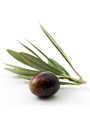
- Squalane (Squalane (Olive)): A natural oil that is highly compatible with the skin. It provides moisture without leaving a greasy feel.
- Isotridecyl Isononanoate: An Emollient Ester that provides a light feel and helps disperse other ingredients.
- LipidSoft™ Lite (Isononyl Isononanoate): An Emollient Ester recommended by the staff as a replacement for Isotridecyl Isononanoate. It has similar properties, providing a light feel and aiding dispersion.
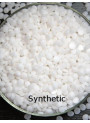
- Synthetic wax (Glossy Wax): A synthetic wax that helps build structure and hardness in lip balm, as well as providing gloss.
- Meadowfoam delta-lactone: An ingredient that helps reduce irritation. If unavailable, other ingredients from the Anti-Irritant group with similar properties can be used.
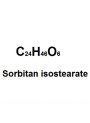
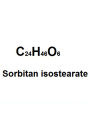
- Sorbitan isostearate: An Emulsifier that helps oil and water mix well.
- Oil Blender: An ingredient recommended by the staff as a replacement for Sorbitan isostearate. It may have properties that help blend oil-based ingredients.
- Lauryl PCA: A Humectant that helps draw water into the skin.
- Tocopheryl Acetate (Vitamin E): Vitamin E in ester form, with antioxidant properties that help protect the skin and extend product shelf life.
- Parfum: Fragrance, used to add scent to the product.
- Silica (MatteSilica 5™): Silica powder that helps absorb oil, giving the product a more matte finish.
- Tocopherol (Vitamin E): Another form of Vitamin E, also with antioxidant properties.
- Alumina: Often used as a bulking agent or dispersing agent in cosmetic products.
- CI 77891 (Titanium Dioxide): A white pigment used for color in cosmetics, and can also function as a physical sunscreen agent.
- Mica: A natural mineral that provides shimmer and color in cosmetic products.
When developing a lip balm formula, you will need to experiment with the proportions of the various ingredients, starting with typical basic lip balm ratios, which usually include:
- Oils/Emollients: The main component, providing softness and moisture (e.g., Squalane, Pentaerythrityl Tetraethylhexanoate, Diisostearyl Malate, Isotridecyl Isononanoate / LipidSoft™ Lite).
- Waxes: Help create structure and hardness (e.g., Synthetic wax).
- Other Humectants: (e.g., Lauryl PCA)
- Active Ingredients/Specialty Ingredients: (e.g., Phytosterol, Meadowfoam delta-lactone / Anti-Irritant, Vitamin E)
- Dispersing Agents/Emulsifiers: (e.g., Sorbitan isostearate / Oil Blender)
- Pigments/Fillers: (e.g., Silica, Alumina, CI 77891, Mica)
- Fragrance: (Parfum)
Adjusting the proportion of wax will affect the hardness of the lip balm, while the proportion of oils and emollients will affect the softness and gloss. Increasing dispersing agents will help pigments or powders disperse better.
It is recommended to start by finding a basic lip balm formula with similar components and then gradually adjust the proportions of each ingredient according to the desired properties, experimenting with small quantities first.
If you need more information about any specific ingredient, feel free to ask.
Updated Review: May 2026
This section was added after reviewing the original answer against current product availability and formulation knowledge at the stated point in time.
Update 2026-05-24
Current catalog information changes the substitution guidance slightly. Isotridecyl Isononanoate now appears to be selectable directly, so it does not always need to be replaced. LipidSoft™ Lite can still be used as an optional light, smooth ester alternative when that skin feel is desired.
Sorbitan Isostearate also now appears to be selectable directly, so it may be used when the formula specifically requires Sorbitan Isostearate. Oil Blender™ remains useful as an optional oil-phase blender / low-HLB W/O emulsifier and pigment-dispersion helper, but it should not be considered chemically identical to Sorbitan Isostearate.
For Meadowfoam delta-lactone, please note that Meadowfoam Seed Oil is a different ingredient and should not be treated as a direct substitute. If Meadowfoam delta-lactone is unavailable, choose a lip-suitable soothing or anti-irritant ingredient based on the desired claim, compatibility, and recommended use level.
For a tinted balm or lip color, CI 77891, mica, silica, and alumina are insoluble powders in an anhydrous oil/wax system; they do not dissolve in oil. They should be properly wetted, dispersed, and deagglomerated in the oil/ester phase. LipidSoft™ Disperse is especially useful in lip color systems because it can help with pigment wetting, gloss, and adhesion.
Exact percentages still cannot be finalized from the ingredient list alone. The wax/oil/emollient balance must be adjusted by testing hardness, melting point, pay-off, gloss, pigment load, sweating/oil bleed, odor stability, and packaging compatibility. Add fragrance and vitamin E ingredients during cool-down, not during prolonged high-temperature heating. Before sale, confirm that all colorants, fragrance/flavor components, and powder grades are suitable for lip use and comply with the target market’s regulations.
Related Products Mentioned
Vitamin E (Tocopheryl Acetate)
Squalane (Olive)
Vitamin E (dl-alpha tocopherol)
MatteSilica 5™ (5 Micron)
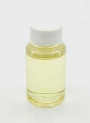
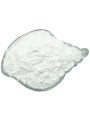
Alumina (5micron, Spherical)
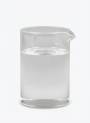
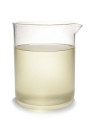
Glossy Wax (Light, Non-Greasiness)
Pure-Phytosterols™
Synthetic White Beeswax (Melting 62C)
Pentaerythrityl Tetraethylhexanoate
Isotridecyl Isononanoate