Lip Balm Formulation: Ingredient Roles and Texture
Question
What are the roles of Rice Bran Wax, Cocoa Butter, Jojoba Oil, and Evening Primrose Oil in a lip balm formulation, are these ingredients sufficient, and how does adding Microcrystalline Wax affect the texture and stability, considering different melting points?
Answer
Lip Balm Formulation with Rice Bran Wax, Cocoa Butter, Jojoba Oil, and Evening Primrose Oil
1. Are these ingredients sufficient?
Yes, the combination of Rice Bran Wax, Cocoa Butter Replacer, Jojoba Oil, and Evening Primrose Oil can form a basic lip balm.
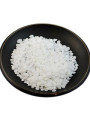
- Rice Bran Wax acts as the primary structuring agent, providing hardness and stability to the balm.
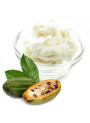
- Cocoa Butter Replacer adds emollience, helps with texture, and contributes some firmness.
- Jojoba Oil and Evening Primrose Oil are liquid oils that provide moisturizing properties and improve the spreadability and feel of the balm on the lips.
However, the final texture and performance will heavily depend on the ratios of these ingredients in your formula. You will need to experiment with percentages to achieve your desired consistency (e.g., harder stick vs. softer pot balm).
2. Should Microcrystalline Wax be added?
Adding Microcrystalline Wax is not strictly necessary if you can achieve the desired texture and stability with Rice Bran Wax and Cocoa Butter Replacer. However, Microcrystalline Wax offers specific benefits that can improve a lip balm formula:
- Smoothness: It is known for providing a very smooth texture compared to some natural waxes.
- Oil Absorption: It can absorb more oil than some other waxes, which helps create a stable structure.
- Prevents Sweating: It is particularly effective at preventing "sweating," which is when oil separates from the wax matrix in stick products, especially under temperature fluctuations.
If you are aiming for a very smooth, stable stick that resists oil separation, adding Microcrystalline Wax would be beneficial.
3. How does each ingredient affect the texture?
Each ingredient plays a distinct role in the final texture of your lip balm:
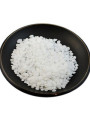
- Rice Bran Wax: This wax provides structure and hardness. It has a melting point typically between 70-83°C. It also contributes to the smoothness and helps prevent oil separation ("sweating").
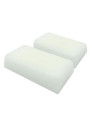
- Cocoa Butter Replacer: This ingredient (which mimics Cocoa Butter) melts at a lower temperature (around 40-50°C). It adds richness, emollience, and a creamy feel to the balm. It contributes some body but is much softer than wax.
- Jojoba Oil & Evening Primrose Oil: These are liquid oils. They do not contribute to the solid structure but are crucial for moisturizing and conditioning the lips. They reduce the hardness of the balm and improve its glide and spreadability. A higher percentage of oils will result in a softer balm.
- Microcrystalline Wax: This wax provides structure and hardness similar to other waxes but is particularly noted for its smoothness and ability to absorb oil, which helps prevent sweating and improves stick stability. The melting point of Microcrystalline Wax directly impacts the hardness of the final product:
- Lower Melting Point (e.g., 73°C, 78°C): Results in a softer, more pliable balm.
- Higher Melting Point (e.g., 86°C, 90°C): Results in a harder, more stable stick, less prone to melting at higher temperatures.
By adjusting the ratios of wax (Rice Bran Wax and potentially Microcrystalline Wax), butter (Cocoa Butter Replacer), and liquid oils (Jojoba Oil, Evening Primrose Oil), you can fine-tune the hardness, smoothness, and emollience of your lip balm.
Related Products Mentioned
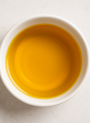
Jojoba Oil (Golden - Deodorized)

Rice Bran Wax