Lip Balm Formulation Modification for Improved Texture and Performance
Question
I have an oil-based formula intended for lips, but it results in a lip oil texture. I want to modify it to create a lip balm that is soft, moisturizing, helps fill lip lines, and lasts well. My current formula includes ingredients like Squalene (Synthetic, For Lip Gloss) at 33.5% and Isododecane. I have the following questions:
- Can honey be added to this oil-based formula? If so, which ingredients should be reduced?
- How should I adjust the formula (considering ingredients like Squalene and Isododecane) to achieve a soft, moisturizing balm texture that fills lip lines and has good longevity?
- Do the percentages of Flavor Oil and Easy Mix color need to be specified for FDA product registration?
Answer
Lip Balm Formula Review and Suggestions
Thank you for sharing your lip balm formula and questions. Based on your goal to create a soft, moisturizing lip balm that fills lip lines and lasts well, and considering the feedback you've received, here is an analysis and suggested adjustments.
Your original formula is composed entirely of oils and liquid emollients, which would result in a lip oil rather than a lip balm (which is typically semi-solid). To achieve a balm texture and improve properties like filling lip lines and longevity, you will need to incorporate solid components like waxes or butters.
Addressing Your Questions
Can honey be added? If so, what to reduce?
Honey is water-soluble, while your current formula is anhydrous (contains no water). Adding honey would require an emulsifier to properly combine the water phase (honey) with the oil phase. Without an emulsifier, the honey would not mix into the formula and could cause stability issues. Therefore, you cannot simply add honey to this oil-based formula.How to adjust for soft, moisturized lips, filling lines, and longevity?
Based on your goal for a lip balm and the feedback about Squalene and Isododecane:- Squalene: At 33.5%, Squalene (Synthetic, For Lip Gloss) will contribute significantly to viscosity and potentially a sticky feel, as noted in the feedback. While it helps with gloss and adherence, reducing the amount is advisable for a less sticky balm.
- Isododecane: This is a volatile, lightweight emollient intended to evaporate quickly and provide a non-greasy feel and water resistance. In a lip balm aiming for lasting moisture and a solid texture, a volatile ingredient like Isododecane is generally not needed and could potentially interfere with the balm's structure or feel. It is recommended to remove it.
- Phenoxyethanol SA (Optiphen Plus): This is a preservative for formulas containing water. Since your formula is anhydrous (oil-based), a preservative is not necessary for microbial protection. It can be removed.
- To achieve a balm texture and improve performance: You need to add solid components. Waxes (like Beeswax) provide structure and help create a protective barrier for longevity. Butters (like Shea Butter) are excellent emollients that provide deep moisture and help soften the lips and potentially fill fine lines.
Suggested Revised Lip Balm Formula Structure
Here is a suggested structure for a revised lip balm formula to achieve a moisturizing, line-filling balm with improved texture and longevity. The exact percentages of waxes and butters can be adjusted to achieve your desired level of firmness:
- Olive CLEAR (Hydrogenated Olive Oil): 10.00%
- Jojoba Oil Clear: 10.00%
- Fractionated Coconut Oil: 20.00% (Adjusted from 30%)
- Squalene (Synthetic, For Lip Gloss): 5.00% (Significantly reduced from 33.5% to minimize stickiness)
- Vitamin E (Acetate): 1.00%
- Beeswax (e.g., Natural White Beeswax): 15.00% (Adds structure and longevity)
- Shea Butter (e.g., Shea Butter Ultra Soft): 39.00% (Adds moisture, softness, helps with lines)
Total Base Formula: 100.00%
This revised formula removes Isododecane and the preservative, significantly reduces Squalene, and incorporates Beeswax and Shea Butter to create a moisturizing, line-filling lip balm with improved texture and longevity.
- Flavor Oil and Easy Mix color: These are typically added at very low percentages (e.g., Flavor Oil 0.1-1%, color a tiny amount as needed for desired shade). They are usually added to the finished base formula.
- Do Flavor Oil and Easy Mix color percentages need to be specified for FDA approval?
For product registration with regulatory bodies like the FDA, you generally need to declare all ingredients used in the formula, including their percentages or concentration ranges, according to the specific regulations of the country or region where you are registering the product. This would include Flavor Oil and colorants. You should consult the relevant FDA guidelines or a regulatory expert for precise requirements.
To make the balm, you would typically melt the solid ingredients (Beeswax, Shea Butter) with the liquid oils (Olive CLEAR, Jojoba Oil, Fractionated Coconut Oil, Squalene). Add Vitamin E when the mixture has cooled slightly but is still liquid. Add Flavor Oil and color last, stirring well before pouring into containers.
Related Products Mentioned
Vitamin E (Tocopheryl Acetate)
Jojoba Oil (Clear - Deodorized)
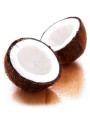
Fractionated Coconut Oil
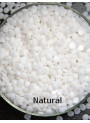
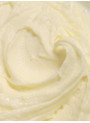
Shea Butter (Ultra Soft)
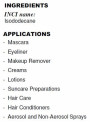
Isododecane (Germany)
Squalene (Synthetic, For Lip Gloss)

Phenoxyethanol SA (eq. Optiphen Plus)