Lip Balm Formulation: Texture, Preservation, and Oxidation
Question
I would like to consult about making a lip balm for sale. I want a smooth texture similar to Dior Lip Glow, if possible.
- Is this formula okay?
- How long can it be stored if I add Mild Preserved Eco at 1%?
- Normally, what percentage of Vitamin E should we add to prevent rancidity?
Approximate Formula:
Wax and Butter:
- shea butter 22%
- Bee wax 15%
- Candelilla Wax 4.5%
- Carnuba Wax 5%
Oil 37.5% (rice bran, olive, Rose Hip, Grape Seed)
Glycerine 5%
Additive:
Vitamin E 5%
Water Balm 5%
Mild Preserved Eco 1%
Thank you.
Answer
Lip Balm Formulation Feedback
Based on the ingredients and percentages you provided, here is some feedback regarding your lip balm formulation:
Formula Evaluation and Texture
Your formula uses a combination of waxes (Beeswax, Candelilla Wax, Carnauba Wax) and butters (Shea Butter) along with a blend of oils (Rice Bran, Olive, Rose Hip, Grape Seed). This combination is typical for lip balms.
- Waxes: Beeswax provides structure and emolliency. Candelilla Wax and Carnauba Wax are harder waxes with higher melting points, contributing to the firmness and stability of the balm, especially in warmer temperatures. Carnauba Wax is particularly hard and has a high melting point (around 80-87°C), while Candelilla Wax melts around 70-72.5°C. Beeswax melts around 62-63°C. The total wax content (15% Beeswax + 4.5% Candelilla Wax + 5% Carnauba Wax = 24.5%) combined with Shea Butter (22%) makes up a significant portion (46.5%) of the formula. This high percentage of waxes and butters will likely result in a relatively firm balm.
- Butters: Shea Butter is a soft butter that melts on skin contact, contributing to a smooth feel and nourishment.
- Oils: The blend of Rice Bran Oil, Olive Oil, Rose Hip Oil, and Grape Seed Oil (total 37.5%) provides emolliency, spreadability, and skin-benefiting properties.
- Water Balm™: Including Water Balm™ (5%) is interesting for an oil-based balm. This ingredient is designed to help incorporate and stabilize a small percentage of water (up to 10%) into oil/wax formulas. This could potentially give the balm a less greasy feel and allow for the inclusion of water-soluble ingredients.
- Glycerin: Glycerin (5%) is a humectant that draws moisture. In an oil-dominant formula with Water Balm™, it would contribute to the moisturizing feel by holding onto the water incorporated by the Water Balm™.
Achieving a texture exactly like Dior Lip Glow, which is known for being smooth and melting easily on the lips, will depend heavily on the precise ratios and types/grades of waxes and oils used. Your current wax/butter percentage is quite high, which might make the balm firmer than Dior Lip Glow. You might need to adjust the ratios of the different waxes and potentially the total wax/butter content relative to the oils to get closer to the desired melt and glide. Experimentation with small batches is recommended.
Shelf Life with Mild Preserved Eco™ 1%
You are using Mild Preserved Eco™ at 1%. This ingredient is a blend of Ethylhexylglycerin and Propanediol. It functions as a preservative booster and has some antimicrobial properties, allowing formulas to be claimed as "preservative-free" under certain regulations.
The recommended usage rate for Mild Preserved Eco™ for general cosmetic formulas is 1.0-1.5%. Your 1% usage is within this range.
Lip balms are generally low in water content (unless Water Balm™ is used to add water), which typically makes them less prone to microbial contamination than water-based products. However, lip products are frequently exposed to microbes during use.
While Mild Preserved Eco™ at 1% can help protect the formula, especially if Water Balm™ is successfully incorporating water, its effectiveness depends on the overall formula composition, the cleanliness of the manufacturing process, packaging, and how the product is used.
Crucially, the supplier of Mild Preserved Eco™ strongly recommends performing a challenge test on your final formula before selling it. This test is the only way to definitively determine if the preservative system is effective against a broad range of microorganisms and provides adequate protection for your specific product under real-world conditions.
Vitamin E Percentage for Preventing Rancidity
You are using Vitamin E (Tocopheryl Acetate) at 5% to prevent rancidity. Vitamin E, particularly Tocopheryl Acetate, acts as an antioxidant, helping to protect the oils in your formula from oxidation, which causes rancidity (the unpleasant smell).
The typical usage rate for Vitamin E (Tocopheryl Acetate) when used specifically as an antioxidant to protect oils in a formula is much lower, usually around 0.01% to 0.5%.
Using Vitamin E at a high concentration like 5% is primarily for providing antioxidant benefits to the skin itself. However, the supplier notes that using more than 0.5% can cause a sticky feeling on the skin.
While 5% Vitamin E will certainly provide antioxidant protection to the oils, it is a very high concentration for this purpose and is likely contributing to the texture and potentially causing stickiness, which might work against your goal of a smooth, non-sticky feel like Dior Lip Glow.
To effectively prevent rancidity in your oils, especially those high in polyunsaturated fats like Rose Hip Oil and Grape Seed Oil, a lower percentage of Vitamin E (0.1-0.5%) is usually sufficient when combined with proper storage (keeping the balm in an airtight container away from heat and light). You could also consider using other antioxidants known for protecting oils, such as Rosemary Oleoresin Extract or Protec™ OX, which are mentioned by the supplier as being highly effective.
In summary, your formula is a good starting point, but achieving the desired texture and ensuring adequate shelf life requires careful consideration of ingredient ratios and testing. Reduce the Vitamin E percentage to avoid stickiness and rely on a lower, effective antioxidant concentration along with good storage practices and a challenge test for preservation.
Related Products Mentioned
Vitamin E (Tocopheryl Acetate)
Olive Oil (Extra Virgin)
Shea Butter (Refined , Deodorised)
Glycerin (USP/Food Grade)
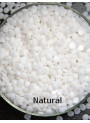
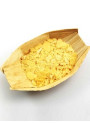
Carnauba Wax (Flake, Melting 80C)
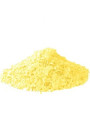
Candelilla Wax (Refined, Melting 70C)
Water Balm™
Mild Preserved Eco™ (Preservative-Free)
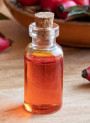
Rosehip Oil (Virgin, Fresh)