Lip Balm Formulation with Soy Lecithin for Dry, Cracked Lips
Question
Hello,
I would like to create a lip treatment formula using Soy Lecithin as a water-in-oil emulsifier.
Since I have allergies and breathe through my mouth while sleeping, it causes my lips to become dry and cracked. I want to make a formula that helps reduce dryness and cracking (I avoid petroleum jelly because it causes my lips to peel).
Ideally, I want a completely natural formula because it's for the lips, but I'm concerned about sufficient moisture, so I drafted the following formula. Could you please advise on adjusting the formula to meet my needs?
I want a texture suitable for a jar or a thick cream, not too liquid.
Lip Treatment Formula:
Water Phase:
- MOIST72: 0.2%
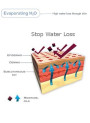
- WaterLock: 0.2%
- Hyaluronic Acid (nano): 0.02%
- B3: 1%
- Glycerin: 3%
- DI Water: 4.5%
Oil Phase:
- Sal (Shorea) Butter: 30%
- Aloe Vera Oil: 42%
- Horse Oil: 5%
- Beeswax: 3%
- Lecithin: 10%
Thank you.
Answer
Hello, thank you for your interest in our products and for asking about creating a lip treatment formula.
I have reviewed the formula you proposed. It's a good concept to use Soy Lecithin as an emulsifier and select ingredients that help with moisture and reduce dryness and cracking.
There is a small observation regarding the percentages in the formula, which add up to 98.92%, not 100%. Could you please check and provide the correct percentages again? This will help ensure accurate calculations and formula adjustments.
Regarding the use of Soy Lecithin as an emulsifier in a formula with a very low water phase (approximately 9%) and a very high oil phase (approximately 90%), it might be challenging to create a stable and smooth emulsion with Lecithin alone. Lecithin is a good and natural emulsifier, but it generally works well for W/O (water-in-oil) emulsions, which are suitable for high oil formulas. However, a water percentage as low as 9% might make it difficult for Lecithin to create a stable emulsion. Using a high amount of Lecithin, like 10% as specified, might help with emulsification, but it could also affect the texture (potentially feeling sticky or having a characteristic Lecithin feel) or smell.
As for the other ingredients you have chosen, they are well-suited for treating dry and cracked lips:
- Ingredients in the water phase, such as MOIST72, WaterLock, Hyaluronic Acid, Glycerin, are Humectants that help draw and retain moisture in the skin effectively.
- Ingredients in the oil phase, such as Sal Butter, Aloe Vera Oil, Horse Oil, Beeswax, are Emollients and Occlusives that help create a protective film to prevent moisture loss, making the lips soft, moisturized, and reducing dryness and cracking. Beeswax and Sal Butter will help thicken the formula, making it suitable for a balm in a jar as you desired.
However, if you are aiming for a formula that is "completely natural," you might need to consider some ingredients like WaterLock (Polyquaternium-51) and B3 (Niacinamide), which are synthetic substances. Also, Horse Oil is an animal-derived ingredient. If you prefer a formula focusing on plant-based ingredients, you might consider using other plant-based oils or butters instead.
Furthermore, B3 (Niacinamide) at a concentration of 1% might be too high for sensitive and easily cracked lip skin. It might cause a tingling sensation or irritation. You might consider reducing the concentration or using natural extracts with soothing properties instead.
Overall, the texture of this formula should be thick enough to be put in a jar as you desired.
Once you have checked and adjusted the percentages in the formula so they add up to 100%, please let us know again. We are happy to help suggest further adjustments to the formula to best meet your needs. We might need to consider adjusting the water/oil ratio, or perhaps recommend a different emulsifier that is more suitable for high oil formulas, or even suggest an anhydrous balm formula (without water) which focuses primarily on creating a protective barrier.
Thank you.
Related Products Mentioned
Safe-B3™ (Vitamin B3, Niacinamide)
Glycerin (USP/Food Grade)
MOIST72™
WaterLock™ (Polyquaternium-51)
Double Hyaluron Liquid
Purified Water, TDS Limit 1PPM)


Sal (Shorea) Butter (Refined)