Lip Balm Stick Formulation: Achieving Stability and Benefits in an Anhydrous Base
Question
I am trying to create a lip balm stick with the following properties:
- Moisturizing for dry lips
- Reducing wrinkles on the lips
- Making lips look plump and rosy
My initial formula attempt included the following ingredients:
- Natural Oil: 50%
- Microcrystalline Wax: 20%
- Essential oil (oil-soluble): 1%
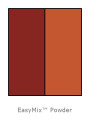
- Red iron oxides easy mixed: 3%
- Vit E Acetate: 1%
- Slim-Burn: 1.5%
- WaterLock™ (Polyquaternium-51): 1%
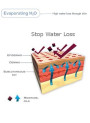
I understand that including water-soluble ingredients like Slim-Burn and WaterLock™ in this oil/wax base without a proper emulsifier is causing instability and separation.
To make a stable lip balm stick, I need to formulate it as an anhydrous product (without water).
Based on this, I have a few questions:
- How should I adjust the formula to make it anhydrous and stable, while still achieving the desired moisturizing, anti-wrinkle, and plumping effects?
- In an anhydrous formula, is Vit E Acetate sufficient for its purpose, or should I use a preservative like Nature Preserve instead? (I saw a reference to
topic171.htmlregarding this). - I am left with 25% of the formula to fill after removing the water-soluble ingredients. What oil-soluble ingredients can I add to enhance moisturization, anti-wrinkle, and plumping?
- Are ingredients like Squalane and Isododecane suitable for this type of anhydrous lip balm stick formulation, and how would they contribute?
Answer
Lip Balm Stick Formulation Guidance
To create a stable and effective moisturizing, anti-wrinkle, and plumping lip balm stick, it is recommended to formulate it as an anhydrous product, removing water-soluble ingredients.
Your initial formula components (excluding water-soluble ingredients) total 75%:
- Natural Oil: 50%
- Microcrystalline Wax: 20%
- Essential oil (oil-soluble): 1%
- Red iron oxides easy mixed: 3%
- Vit E Acetate: 1%
This leaves 25% of the formula to be filled with oil-soluble ingredients.
Key Adjustments and Recommendations:
- Remove Water-Soluble Ingredients: Exclude Slim-Burn and WaterLock™ (Polyquaternium-51) from the formula as they are water-soluble and will cause instability in an anhydrous stick.
- Essential Oil: Ensure the essential oil used is oil-soluble and added directly or diluted in an oil-soluble carrier, not Dipropylene glycol, in this anhydrous formula.
- Fill the Remaining 25%: Use this percentage to add more oil-soluble ingredients that contribute to moisturization, anti-wrinkle, and plumping effects.
- Consider adding more nourishing oils or butters (like Shea Butter or Cocoa Butter) to enhance moisturization and texture.
- Incorporate oil-soluble active ingredients specifically designed for lip care with anti-aging or plumping properties.
- Vitamin E Acetate: This is suitable for its antioxidant properties, protecting the oils. A preservative is not needed in a stable anhydrous formula.
- Wax Choice: Microcrystalline Wax (such as Microcrystalline Wax (Melting Point 77C, Medium) or Microcrystalline Wax (Melting Point 90C, Hard)) is excellent for stick structure and preventing oil separation ("sweating") in lip sticks. Choose the melting point based on desired stick hardness.
- Squalane: Squalane (Olive) is an excellent oil-soluble emollient that can be included in the oil phase for added moisturization and skin benefits.
Example Allocation for the 25%:
- 15-20% Additional Natural Oils / Butters
- 5-10% Oil-soluble Lip Actives
By formulating with only oil-soluble ingredients, you can create a stable lip balm stick that effectively delivers moisturizing, anti-wrinkle, and plumping benefits.
Related Products Mentioned
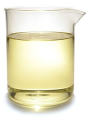
Vitamin E (Tocopheryl Acetate)
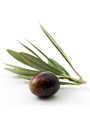
Squalane (Olive)
Isododecane (Germany)
WaterLock™ (Polyquaternium-51)
Red Iron Oxides EasyMix™