Lip Balm Stick Formulation: Quick Setting and Ingredient Ratio
Question
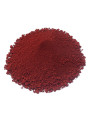
Hello, I am currently making a stick lip balm and plan to add red color and flavor.
The oil phase ingredients I am using are:
- Jojoba Oil
- Shea Butter
- Candelilla Wax
- Microcrystalline Wax
- Water Balm
The water phase ingredients are:
- Flavor
- Water
- Color
I am having trouble determining the correct proportions; it's all mixed up. Also, the mixture starts to solidify quickly at 50 degrees Celsius. How should I determine the proportions, and how can I fix this issue? The instructions for adding the flavor say to add it at 40 degrees Celsius, but the mixture starts solidifying at 50 degrees Celsius.
Answer
Crafting Your Stick Lip Balm: Addressing Formulation Challenges
It's common to encounter challenges when developing a new formulation, especially with stick products like lip balm where the balance of ingredients is key to texture and stability. Let's break down the ingredients you're using and how to tackle the issues you're facing with proportions and quick setting.
Understanding Your Ingredients
- Jojoba Oil and Shea Butter: These are your primary emollients, providing moisture and a smooth feel to the lips. Jojoba Oil is similar to skin's natural oils, while Shea Butter is a rich, moisturizing butter.
- Candelilla Wax and Microcrystalline Wax: These waxes are crucial for giving your lip balm its solid stick structure. Candelilla Wax (melting point ~70°C) provides hardness and gloss, while Microcrystalline Wax (melting point ~77°C) helps with smoothness and prevents oil separation (sweating). Using both contributes to a stable stick.
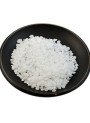
- Water Balm™ and Water: Water Balm™ is designed to help incorporate a small amount of water (up to 10%) into oil/wax-based formulas, creating a balm with a lighter feel or allowing for water-soluble actives. However, incorporating water into a high-wax stick formula can be tricky and may require careful processing or additional emulsifiers to prevent separation. For a standard stick lip balm, water is often omitted.
- Color and Flavor: These add aesthetic and sensory appeal to your product. Colorants need to be compatible with the oil/wax base (oil-dispersible or soluble). Flavors are typically oil-soluble and volatile, hence the need to add them at a lower temperature.
Addressing Quick Setting and Proportions
The issue of your mixture setting quickly at 50°C is directly related to the amount and type of waxes you are using. Both Candelilla Wax and Microcrystalline Wax have melting points above 70°C. As the mixture cools below their melting points, they will begin to solidify. If you have a high percentage of wax, this solidification will happen more rapidly and at a higher temperature.
Finding the right ratio of oils/butters to waxes is essential for achieving the desired hardness and application feel. A good starting point for a stick lip balm formulation is often in the range of 60-70% oils/butters and 30-40% waxes. You may need to adjust this based on the specific waxes used and the desired firmness.
- If the balm is too soft, increase the total percentage of waxes.
- If the balm is too hard, decrease the total percentage of waxes and increase the oils/butters.
Incorporating Flavor and Color
To successfully add your Flavor when the mixture is around 40°C, you need to manage the cooling process.
- Melt Phase: Combine your oils, butters, and waxes. Heat gently until everything is fully melted and clear (likely above 70-80°C due to the waxes).
- Color Dispersion: If using a powder Color, it's best to disperse it in a small amount of your liquid oil (like Jojoba Oil) before adding it to the main melted oil/wax mixture. Add the dispersed color to the melted base and stir until uniform.
- Cooling and Adding Flavor: Remove the mixture from the heat. Stir continuously or intermittently as it cools. This helps distribute the heat evenly and prevents the edges from solidifying too quickly. Monitor the temperature.
- Add Flavor and Pour: When the mixture cools to approximately 40-45°C, it will likely start to thicken but should still be liquid enough to pour. Quickly add your Flavor and stir thoroughly to ensure it's evenly distributed.
- Pour Immediately: As soon as the flavor is mixed in, immediately pour the mixture into your lip balm tubes or molds. The mixture will continue to cool and solidify rapidly once it's off the heat and the flavor is added.
Consideration for Water Balm™ and Water
Given that traditional stick lip balms are anhydrous (contain no water) and your mixture is setting quickly due to the wax content, incorporating Water Balm™ and Water might be adding complexity. If you are struggling with the basic oil/wax/butter/color/flavor system, you might consider omitting the Water Balm™ and Water for your initial successful stick formulation. If you wish to include water, ensure you follow the specific instructions for Water Balm™ regarding mixing temperatures and process, and be aware that achieving a stable, non-separating stick can be more challenging.
By adjusting your wax percentage and carefully managing the temperature and timing during the cooling and pouring phase, you should be able to create a stable stick lip balm and successfully incorporate your flavor.
Sample Starting Ratio (Example)
Here is a possible starting point for your formulation. Adjust based on your results:
- Jojoba Oil: 30%
- Shea Butter: 30%
- Candelilla Wax: 15%
- Microcrystalline Wax: 15%
- Color: 0.5% (adjust as needed for desired intensity)
- Flavor: 1% (adjust as needed for desired intensity)
- Water Balm™ / Water: 0-8.5% (consider omitting initially or using a very small amount if focusing on a stable stick)
Remember to work in small batches for testing and adjust the wax percentage based on the hardness you achieve.
Related Products Mentioned
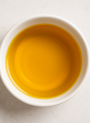
Jojoba Oil (Golden - Deodorized)
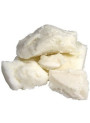
Shea Butter (Refined , Deodorised)
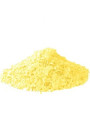
Candelilla Wax (Refined, Melting 70C)
Water Balm™