Lip Cream Formula for Dark Lips, Natural Brown Color, and Sun Protection
Question
I would like to change my request to a lip cream formula instead. I have a formula and method for a lip cream that aims to treat dark lips, provide a natural brown color, and offer sun protection. Could you please review it and provide suggestions?
Here is my formula:
Water Phase:
- Water: 60%
- Safe-B3™ (Vitamin B3): 2%
- GlucoBright™ (N-Acetyl-D Glucosamine): 4%
- MOIST72™: 3%
- NaturePreserve™: 1%
- Lemon Flavor/Fragrance (Water Soluble Powder, ID 9882): 1%
Oil Phase:
- Beige Iron Oxides EasyMix™: 3%
- Zinc Oxide (Micronized): 10%
- Soy Lecithin: 10%
- Oil (e.g., Jojoba Oil, Coconut Oil): 6%
Method:
- Mix the water phase ingredients together.
- Mix the oil phase ingredients, heating to not exceeding 70°C.
- Add the Beige Iron Oxides EasyMix™ to the oil phase and mix well.
- Combine the water phase into the oil phase while cooling and stirring until the mixture thickens and forms a cream.
Answer
Lip Cream Formula for Dark Lips, Natural Brown Color, and Sun Protection
Thank you for sharing your lip cream formula. Based on your goals of achieving a natural brown color, treating dark lips, and adding sun protection, here is an assessment of your formula and method, along with some suggestions.
Formula Review
Your formula structure, with a water phase and an oil phase, is suitable for creating a lip cream (a water-in-oil emulsion), especially with the use of Soy Lecithin as the emulsifier.
- Treating Dark Lips: The inclusion of Vitamin B3 (Safe-B3™) and N-Acetyl-D Glucosamine (GlucoBright™) is excellent for addressing dark lips. These ingredients are known to work together to reduce hyperpigmentation and dark spots. The percentages you've chosen (2% Vitamin B3, 4% N-Acetyl-D Glucosamine) are within the recommended usage rates and should be effective.
- Moisture: MOIST72™ is a good choice for providing long-lasting hydration to the lips, as it significantly increases skin moisture. The 3% usage rate is appropriate.
- Sun Protection: Zinc Oxide provides broad-spectrum UV protection. You've included 10% Zinc Oxide (Micronized). While this ingredient offers sun protection, this specific type (Micronized) is primarily for antiseptic use and may not disperse optimally for high sun protection efficacy compared to coated or nano versions designed for sunscreens. Achieving a reliable SPF level requires proper dispersion and formulation, and the exact SPF would need to be tested.
- Color: Beige Iron Oxides EasyMix™ is suitable for providing a natural brown color. You can adjust the percentage and potentially mix with other Iron Oxides (like red, yellow, or black) to achieve your desired shade.
- Emulsification: Soy Lecithin is an appropriate emulsifier for a water-in-oil lip cream.
- Flavor/Fragrance: You've included Lemon Flavor/Fragrance at 1%. The description for the specific Lemon Flavor (Water Soluble Powder, ID 9882) indicates it is water-soluble and for food flavoring, requiring a sweetener. If you are using this specific product, it should be added to the water phase, and you might need to add a sweetener if you want a sweet taste. Ensure the flavor/fragrance is suitable for lip products.
Method Review
Your proposed method is generally correct for creating a water-in-oil emulsion:
- Mixing the water phase separately.
- Mixing the oil phase with heat.
- Adding color to the oil phase.
- Combining the water phase into the oil phase while cooling and stirring.
However, the recommended temperature for dissolving Soy Lecithin in the oil phase is 80°C, while your method specifies heating to not exceeding 70°C. It would be better to heat the oil phase to around 80°C to ensure the Soy Lecithin is fully dissolved before adding the water phase.
Adding the color (Beige Iron Oxides) to the oil phase is correct as it is dispersed in oil/silicone.
Combining the water phase into the oil phase while the oil phase is still liquid (below 50°C but not solidified) is the correct technique for forming a stable water-in-oil emulsion.
Suggestions
- Zinc Oxide: If achieving a specific, measurable SPF is important, consider using a type of Zinc Oxide specifically designed for sunscreens with better dispersion properties, such as a coated or nano dispersion. Ensure thorough dispersion regardless of the type used.
- Soy Lecithin: Increase the heating temperature for the oil phase to approximately 80°C to ensure the Soy Lecithin is properly dissolved.
- Flavor/Fragrance: Confirm the type of Lemon Flavor/Fragrance is suitable for lip products and the phase it should be added to (water or oil). If using the water-soluble powder (ID 9882), add it to the water phase and consider adding a sweetener if desired.
- Preservation: Ensure NaturePreserve™ is effective for preserving both the water and oil phases in a lip product formulation.
- Testing: As with any cosmetic formulation, it is recommended to perform stability testing (checking for separation, color change, texture change over time and under different temperatures) and potentially efficacy testing (like SPF measurement) for your final product.
Overall, your formula provides a good base for a moisturizing lip cream with ingredients targeting dark lips and providing some sun protection and color. Adjusting the heating temperature and considering the specific type and addition phase of the flavor will help improve the formulation process and final product quality.
Related Products Mentioned
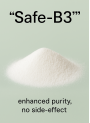
Safe-B3™ (Vitamin B3, Niacinamide)
GlucoBright™ (Acetyl Glucosamine)
MOIST72™
Zinc Oxide (Micronized)
Beige Iron Oxides EasyMix™