Lip Gloss Formulation for Nourishment and Stability
Question
Hello,
I would like a lip gloss formula that focuses on nourishment and has a long shelf life.
Currently, I make my own lip balm formula with color using the following ingredients:
- Oil
- Beeswax
- Shea Butter
- Vitamin E
- Scent
- Color
After some time, it develops a rancid odor. How can I formulate a lip gloss that is nourishing and lasts longer?
Answer
Lip Gloss Formula for Nourishment and Longer Shelf Life
It sounds like the rancidity issue you're experiencing with your current lip balm is due to the oxidation of the oils in your formula. This is a common problem, especially with natural oils that contain unsaturated fatty acids. To create a lip gloss that is both nourishing and has a longer shelf life, you can adjust your ingredients and add effective antioxidants.
Here are some key points and ingredient suggestions:
Choose a Stable Base: Instead of relying heavily on natural oils and beeswax, consider using a stable gel base designed for lip products. These bases are typically made from highly stable polymers or mineral oil derivatives that are resistant to oxidation and provide a great glossy texture.
- Hydrogenated Polyisobutene Gel (similar to Versagel) is an excellent option. It provides high gloss, is very stable, and feels less greasy than some natural oils. (See product ID 35730)
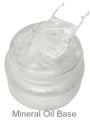
- Mineral Oil Gel is another stable base that works well for lip gloss. (See product ID 2158)
Incorporate Nourishing Ingredients: You can still include nourishing butters and oils, but perhaps in smaller amounts or choose more stable options. Shea Butter is a wonderful emollient for lip care. You can use refined, deodorized Shea Butter (Product ID 117) or other forms like Ultra Soft (Product ID 227) or Melt (Product ID 6936) depending on your preference for texture and ease of use.
Boost Antioxidant Protection: While Vitamin E (Tocopheryl Acetate - Product ID 65) is a good start, its effectiveness as an antioxidant for preventing oil rancidity is moderate. Consider adding a more potent antioxidant to your formula.
- Vitamin E (dl-alpha tocopherol) (Product ID 135) is a more active form of Vitamin E and offers better antioxidant protection against rancidity compared to Tocopheryl Acetate, though it is less stable itself.
- Protec™ OX (Product ID 1332) is a highly effective synthetic antioxidant specifically designed to protect oils and other ingredients from oxidation, offering superior stability to the final product.
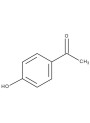
- Hydroxyacetophenone (Product ID 4306) is another antioxidant that can help maintain ingredient quality.
- Using a combination of antioxidants can provide broader protection.
General Formula Approach: A simple lip gloss formula focusing on stability and nourishment could look something like this:
- Stable Gel Base (e.g., Hydrogenated Polyisobutene Gel or Mineral Oil Gel): 70-90%
- Nourishing Butter/Oil (e.g., Shea Butter): 5-15%
- Antioxidant(s): 0.1-1%
- Color/Pigment: As needed
- Flavor/Fragrance: As needed
By using a stable gel base and enhancing your antioxidant system, you can create a nourishing lip gloss that stays fresh and free from rancid odors for a much longer time.
Related Products Mentioned
Vitamin E (Tocopheryl Acetate)
Shea Butter (Refined , Deodorised)