Lip Gloss Formulation: Lip Care, Compatibility, and Clarity
Question
I am formulating a lip gloss focused on nourishing lips for plumpness, reducing dryness and cracking, and reducing wrinkles to make them look healthy and full. The proposed formula is as follows:
Ingredient 100%
- Dipalmitoyl Hydroxyproline (DPHP) 2%
- HyaOil™ (Oil-Dispersed Hyaluronic Acid) 2%
- DMAE (SkinTight MD™) Liquid 3%
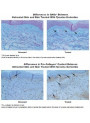
- Wrinkle-Fill™ (Acetyl-L-Tyrosine) 2%
- Panthenol (Pro Vitamin B5, DL-Panthenol, Powder) 3%
- HyaOil™ (Oil-Dispersed Hyaluronic Acid) 1%
- Vitamin E (dl-alpha tocopherol) 1%
- Tamanu Oil (Pure Virgin) 25%
- Tea (Camellia oleifera) Seed Oil (Refined) 5%
- Cocoa Absolute 1%
- Oil Film (Long-Wear) 5%
- Vinyl Film (Medium Wear, Soft) 10%
- Polyglyceryl-2 isostearate/dimer dilinoleate copolymer 40%
Based on this formula, I have the following questions: 1. Are the ingredients compatible? 2. Are there any missing ingredients needed for the formula to be functional? 3. If I want a clear, colorless lip gloss, should I remove any ingredients or how should I adjust the formula? 4. What types of packaging does the company offer for lip gloss products?
Answer
Lip Gloss Formulation Analysis
Your formula includes several excellent ingredients known for their skin conditioning and anti-aging properties. Let's address your questions:
1. Ingredient Compatibility
The majority of your ingredients are oil-soluble or designed to be dispersed in oil, which is suitable for a lip gloss base. These include:
- Dipalmitoyl Hydroxyproline (DPHP)
- HyaOil™ (Oil-Dispersed Hyaluronic Acid)
- Vitamin E (dl-alpha tocopherol)
- Tamanu Oil
- Tea (Camellia oleifera) Seed Oil
- Cocoa Absolute
- Oil Film (Long-Wear)
- Vinyl Film (Medium Wear, Soft)
- Polyglyceryl-2 isostearate/dimer dilinoleate copolymer
However, some of your active ingredients are water-soluble:
- DMAE (SkinTight MD™) Liquid
- Wrinkle-Fill™ (Acetyl-Tyrosine)
- Panthenol (Pro Vitamin B5, Powder)
Incorporating water-soluble ingredients stably and effectively into a predominantly oil-based formula like a lip gloss can be challenging. Without a water phase and a suitable emulsifier or dispersant designed for this type of system, these water-soluble actives may not be evenly distributed or remain stable over time, potentially affecting the product's efficacy and appearance (e.g., causing cloudiness or separation).
The combination of DMAE and Panthenol is noted to have a synergistic effect for skin tightening, and Wrinkle-Fill™ is suitable for use with DMAE, which is a good synergy for your anti-aging goal. The challenge lies in their solubility in your chosen base.
2. Missing Ingredients for a Functional Formula
Based on standard cosmetic formulation practices, your formula is missing a preservative system. Lip products are susceptible to microbial contamination from repeated use and contact with the lips. A suitable broad-spectrum preservative is essential to ensure the safety and shelf-life of the product.
While Vitamin E provides some antioxidant benefits, adding a dedicated antioxidant for the oil phase could help prevent the natural oils (Tamanu Oil, Tea Seed Oil) from oxidizing and going rancid over time, which can affect the smell and performance of the product.
As mentioned regarding compatibility, you might also need a suitable emulsifier or dispersant if you intend to include the water-soluble actives (DMAE, Wrinkle-Fill™, Panthenol) and want them to be stably incorporated into the oil base. This would likely require a more complex formulation approach than a simple oil blend.
3. Adjusting for a Clear, Colorless Lip Gloss
To achieve a clear and colorless lip gloss, you would need to remove or replace ingredients that contribute color or opacity:
- Tamanu Oil (25%): Virgin Tamanu Oil has a distinct dark yellow-green color and a natural scent. This is the primary ingredient that will prevent your gloss from being clear and colorless. You should remove this and replace it with a clear, colorless lip-safe oil or ester, such as Mineral Oil, Hydrogenated Polyisobutene, or a clear ester suitable for lip glosses.
- Cocoa Absolute (1%): Cocoa Absolute is a natural extract that will impart color and a chocolate scent. This should be removed for a colorless product.
- Water-Soluble Actives (DMAE, Wrinkle-Fill™, Panthenol): These ingredients are powders or liquids soluble in water, not oil. Incorporating them into a clear oil base without a proper emulsification system will likely result in a cloudy or non-uniform product. If absolute clarity is essential for your lip gloss, you might need to consider removing these water-soluble actives or finding oil-soluble alternatives that offer similar benefits, if available.
- Vitamin E (dl-alpha tocopherol): This type of Vitamin E is a dark yellow oil. At 1%, it might add a slight yellow tint. For a completely colorless product, you might consider using a colorless antioxidant or a different form of Vitamin E if available and suitable.
In summary, for a clear, colorless gloss, remove Tamanu Oil and Cocoa Absolute, replace Tamanu Oil with a clear oil/ester, and carefully consider the impact and incorporation method of the water-soluble actives and the color of Vitamin E.
4. Packaging Options
Information regarding the specific types of packaging the company offers for lip gloss products is not available through this system. You would need to consult the company's packaging catalog or sales team directly for details on available lip gloss packaging options (e.g., tubes with wands, squeeze tubes, pots).
In conclusion, your formula has a good selection of actives for the intended benefits. However, you need to address the compatibility of water-soluble ingredients in the oil base, add a preservative, consider an antioxidant for the oils, and make significant changes (removing Tamanu Oil and Cocoa Absolute, potentially adjusting water-soluble actives and Vitamin E) to achieve a clear, colorless product.
Related Products Mentioned
Vitamin E (dl-alpha tocopherol)
Wrinkle-Fill™ (Acetyl-Tyrosine)
DMAE (SkinTight MD™) Liquid
Dipalmitoyl Hydroxyproline (DPHP)

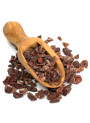
Cocoa Absolute