Lip Gloss Separation: Gel Base and Natural Oils
Question
I am making Lip Gloss and encountered a problem where the gel base and natural oils are separating.
The ingredients for the base gel are:
- Aqua
- Collagen
- Mineral oil (Paraffinum Liquidum)
- Fragrance
- DMDM Hydantoin
- Propylene Glycol
- Glycerin
- Glyceryl Monostearate
- Polysorbate 20
- PEG-40 Hydrogenated Castor Oil
- Niacinamide
- Carbomer
- Sodium Polyacrylate
- Disodium EDTA
- Tocopheryl Acetate
- Sodium Hydroxide
- Water
The oils added are:
- Coconut Oil (Fractionated Coconut Oil)
- Sweet Almond Oil
- Vitamin E oil (Tocopheryl Acetate)
The mixing was done by hand stirring.
What should I use to emulsify the gel base and oil together? Do I need to use a blender?
Also, could you recommend suitable colorants for lip gloss? Thank you.
Answer
Lip Gloss Separation Issue and Colorant Recommendations
It sounds like you're encountering a common challenge when making lip gloss: the separation of the gel base and the added natural oils. This typically happens because oil and water-based ingredients don't mix naturally and require proper emulsification to stay combined.
Your base gel already contains several ingredients that act as emulsifiers and thickeners, such as Mineral Oil, Glyceryl Monostearate, Polysorbate 20, PEG-40 Hydrogenated Castor Oil, Carbomer, and Sodium Polyacrylate. These ingredients are intended to help create a stable mixture.
However, adding additional natural oils like Fractionated Coconut Oil, Sweet Almond Oil, and Vitamin E oil can sometimes overload the existing emulsifier system in the base gel, especially if added in too high a concentration. Furthermore, simply stirring by hand is often not sufficient to create a stable emulsion.
To address the separation issue:
- Use High-Shear Mixing: The most effective way to combine the oil phase with the gel base is by using a high-shear mixer, such as a small cosmetic-grade hand blender or stick blender. This process breaks down the oil into very fine droplets that can be dispersed and stabilized within the gel structure. Gradually add the oil mixture to the gel base while continuously mixing with the high-shear blender until a uniform, stable consistency is achieved.
- Review Oil Percentage: If separation still occurs after using a high-shear mixer, you might be adding too high a percentage of oil relative to the emulsifying capacity of your base gel. Consider slightly reducing the amount of added natural oils.
Colorant Recommendations for Lip Gloss:
For coloring lip gloss, you need colorants that are suitable for oil-based or dispersed systems and safe for lip use. Good options include:
- Mica Powders: These provide color and shimmer. Examples include Light Red Mica and Romance Red Mica. They disperse well in oil-based products.
- Lake Colors: These are pigments that provide more opaque color. An example is FD&C Yellow No.5 Lake. Pigments often require proper dispersion or grinding in a small amount of oil before being added to the main mixture to ensure even color distribution and prevent a gritty texture.
Always ensure the colorants you choose are approved for use in lip products.
By using appropriate mixing techniques and selecting suitable colorants, you should be able to achieve a stable and beautifully colored lip gloss.
Related Products Mentioned
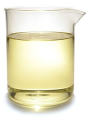
Vitamin E (Tocopheryl Acetate)
Fractionated Coconut Oil
Polysorbate 20 (Tween 20)
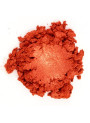
Light Red Mica light red (size A)
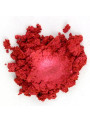
Romance Red Mica, bright red (size A)
Carbomer 940 (EasyDisperse™, France)