Lipstick Coating Differences and Sunscreen Formulation
Question
What is the difference between Glossy Non-Transfer Top Coat and Liquid Lip Gloss Coating (Shine Filler)? Can sunscreen be added to the coating layer or only to the colored lipstick base? Please recommend suitable sunscreens for lip products and their safe usage percentages according to regulations.
Answer
Difference between Glossy Non-Transfer Top Coat and Liquid Lip Gloss Coating (Shine Filler)
- Glossy Non-Transfer Top Coat: This is a specific top coat designed for use in a 2-step non-transfer lipstick system. It is applied over the completely dried color layer to add shine and enhance longevity. Based on the ingredients (INCI), it is likely a water-based formula containing film-forming agents.
- Liquid Lip Gloss Coating (Shine Filler): This is a clear gloss coating (Shine Filler) available in low and high viscosity. It can be applied over various types of lipsticks (especially non-transfer matte lipsticks) to add shine, durability, and mask resistance. Based on the ingredients (INCI), it is likely a silicone-based formula.
Therefore, the main difference lies in their specific application context (part of a dedicated 2-step system vs. general coating) and their likely base composition (water-based vs. silicone-based).
Adding Sunscreen to Lipstick
Generally, sunscreen should be incorporated directly into the colored lipstick base. Sunscreen ingredients need to be evenly dispersed or dissolved within the lipstick formula to provide effective and consistent sun protection across the entire lip surface. While it might be possible to add them to a coating layer depending on the coating's composition and the sunscreen's solubility, incorporating them into the main lipstick base is usually more effective and ensures uniform application and protection.
Recommended Sunscreens for Lip Products and Appropriate Percentages
Sunscreen ingredients commonly used and suitable for lip products are often chemical sunscreens that are soluble in oil or silicone, allowing them to blend well with the typical lipstick base. Examples of sunscreens you can consider using include:
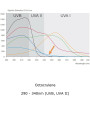
- Octocrylene: Protects against UVB and UVA II and helps stabilize Avobenzone. Recommended usage rate is 5-10% (maximum 10% according to global FDA regulations).
- Homosalate: Provides good UVB protection and helps dissolve powder sunscreens. Recommended usage rate is 1-10% (maximum 10% according to Thai and European FDA regulations).
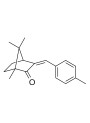
- Enzacamene (4-Methylbenzylidene Camphor): An oil-soluble UVB sunscreen. Recommended usage rate is 1-3% (maximum 3% according to FDA regulations).
- SPF Protect Ultra™ III (UVA+UVB): A pre-blended sunscreen providing broad-spectrum UVA and UVB protection. It can be used as the main sunscreen in a formula. A 10% usage rate provides approximately SPF 20-25, 20% provides approximately SPF 50, and 25% provides approximately SPF 70-100 (maximum recommended usage rate is 25%).
Additionally, LipidSoft™ SPF is not a sunscreen itself but an emollient ester that helps dissolve chemical sunscreens and reduces stickiness. It can be used in formulas at a rate of 1-50%.
The quantity of each sunscreen used must comply with the regulations of the Food and Drug Administration (FDA) in the country where the product will be sold. The overall SPF/PA value of the formula should be calculated to achieve the desired level of protection. Using sunscreens within the recommended percentages and not exceeding FDA limits is considered safe for cosmetic use, including in lipsticks.
Related Products Mentioned
Octocrylene
Homosalate

LipidSoft™ SPF
Glossy Non-Transfer Top Coat