Lipstick Color Ingredient Substitution and Formula Impact
Question
I would like to inquire about the color ingredients listed below. Can these colorant types be substituted with others? If so, which ones are suitable for formulating a stick lipstick?
Additionally, regarding the list of ingredients below, if any are removed from a lipstick formula, how significantly would it affect the formula? Are there any alternative ingredients that can be used?
Color Ingredients:*
Vanillin
- Mica
- Titanium dioxide (CI 77891)
- Iron Oxides (CI 77491)
- Iron Oxides (CI 77492)
- Iron Oxides (CI77499)
- Bismuth Oxychloride (CI 77163)
- Blure 1 Lake (CI 42090)
- Carmine (CI 75470)
- Red 6 (CI 15850)
- Red 21 (CI 45380)
- Red 6 Lake (CI 15850)
- Red 7 lake (CI 15850)
- Red 28 lake (CI 45410)
- Red 30 Lake (CI 73360)
- Red 33 Lake (CI 17200)
- Yellow 5 Lake (CI 19140)
- Yellow 6 Lake (CI 15985)
Tin oxide
Other Ingredients:*
Hydrogenated Styrene/ Methyl Styrene/ Indene Copolymer
- Diisostearyl Malate
- Dicalcium phosphate dehydrate
- Astrocaryum murumuru seed butter
- Polyhydroxystearic acid
- Isopropyl titanium triisostearate
Answer
Color Ingredient Substitution and Formula Impact in Lipstick
You've provided a list of color ingredients and other components from a formulation, likely for lipstick, and asked about substituting colors and the impact of removing other ingredients.
Color Ingredient Substitution
The color ingredients you listed include a mix of inorganic pigments (Iron Oxides, Titanium Dioxide, Mica, Bismuth Oxychloride, Tin Oxide), a natural pigment (Carmine), and organic lake dyes (various Red, Yellow, and Blue Lakes).
Yes, you can substitute color ingredients, but achieving the exact same shade, opacity, and finish requires careful selection and testing. Different colorants have different properties:
- Inorganic Pigments (Iron Oxides, Titanium Dioxide, Mica, Bismuth Oxychloride, Tin Oxide): These provide base colors, opacity, shimmer, and pearlescence. You can often blend different shades of iron oxides or use different grades of titanium dioxide or mica to adjust the color and effect. Surface treatments on these pigments (like coatings) are important for how well they disperse in the lipstick base and feel on the lips.
- Organic Lakes (Red, Yellow, Blue Lakes): These contribute vibrant hues. Substituting them means finding other lakes or pigments with similar color profiles, but also considering their stability, bleed resistance, and dispersibility in the oil/wax system of a lipstick.
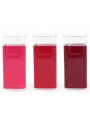
- Carmine: A natural red. A synthetic red pigment or lake would be needed as a substitute to match the color.
For stick lipsticks, proper dispersion of pigments in the oil/wax phase is critical for smooth application and even color payoff. Using pre-dispersed pigments or ensuring thorough milling and dispersion is essential.
Impact of Removing Other Ingredients
Removing the other ingredients you listed would significantly impact the performance and characteristics of a stick lipstick formula. Each serves a specific function:
- Hydrogenated Styrene/ Methyl Styrene/ Indene Copolymer: Often acts as a film-former or rheology modifier, contributing to wear time, gloss, and texture. Removing it could reduce gloss, alter texture, and decrease longevity.
- Diisostearyl Malate: An emollient ester that provides slip, shine, helps disperse pigments, and improves spreadability and feel. Its removal would likely result in a drier, less glossy, and less smooth lipstick.
- Dicalcium phosphate dehydrate: Can function as a filler or opacifier. Removing it might affect the texture, opacity, or hardness.
- Astrocaryum murumuru seed butter: A natural butter providing emollience and contributing to stick structure and feel. Its removal would impact the texture, hardness, and moisturizing properties.
- Polyhydroxystearic acid: A crucial pigment dispersing agent. It prevents pigment clumping and settling, ensuring smooth, even color. Removing this would severely compromise pigment dispersion, leading to a gritty texture and poor color application.
- Isopropyl titanium triisostearate: Often used as a surface treatment for pigments or a coupling agent to improve pigment dispersion in oils and enhance feel/adhesion. Its removal would negatively affect pigment dispersion and the overall feel, similar to removing Polyhydroxystearic acid.
In summary, while color pigments can be substituted with careful formulation, removing the other functional ingredients like emollients, film-formers, and especially pigment dispersants (Polyhydroxystearic acid, Isopropyl titanium triisostearate) would drastically change the lipstick's texture, application, color quality, and wear.
Related Products Mentioned
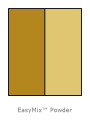
Yellow Iron Oxides EasyMix™
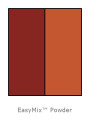
Red Iron Oxides EasyMix™
Black Iron Oxides EasyMix™
MakeGlow™ Powder (Bismuth Oxychloride)
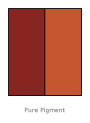
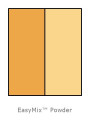
FD&C Yellow No.5 Lake EasyMix™
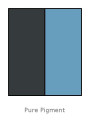
FD&C Blue No.1 Lake (Brilliant Blue)
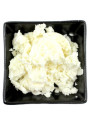
Mango Butter (Deodorized)
Mica Powder (20 Micron, Silane Coated)
FD&C Yellow No.6 Lake EasyMix™
Kokum Butter (Refined)
Pentaerythrityl Tetraisostearate
D&C Red No.21 Al Lake
Iron Oxides Red (non-coated)
D&C Red No.6 Ba Lake (65% Dye, India)
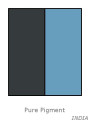
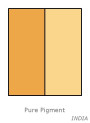
FD&C Yellow No.5 Lake (India, 16% Dye)
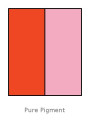
D&C Red No.6 Na Lake
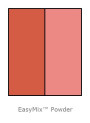
D&C Red No.30 Talc Lake EasyMix™
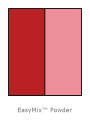
D&C Red No.28 Al Lake EasyMix™
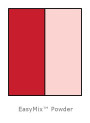
D&C Red No.21 Al Lake EasyMix™
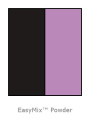
D&C Red No.33 Lake EasyMix™
Titanium Dioxide Nanosil
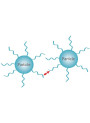
Polyhydroxystearic acid


FD&C Yellow No.6 (CI15985) EasyWash™
Golden Shea Butter (Virgin, Ghana)

FD&C Yellow No.6 (CI15985) HiStain™
Trimethylolpropane Triisostearate
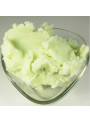
Avocado Butter
Mica Powder (9 Micron, Silane Coated)
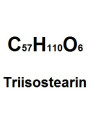
Triisostearin
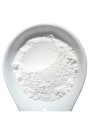
SI01-2-TIO2 CR50
Isopropyl Myristate Gel (Thixotropic)
Titanium Dioxide FoundationPro™
Iron Oxides Red (FoundationPro™)
Iron Oxides Yellow (FoundationPro™)
Iron Oxides Black (FoundationPro™)
Sweet Almond Butter
D&C Red No.6 Lake EasyMix™ (India)
WaterMix™ Yellow 5 Lake
Carmine (Red cochineal powder)