Liquid Foundation Formulation Review and Adjustment
Question
Hello R&D Team, I would like to formulate a light-coverage liquid foundation and I would like your input.
First I make mineral makeup powder with non-micronized [url=https://www.myskinrecipes.com/shop/search?search_query=titanium+dioxide&orderby=position&orderway=desc:a7am3rh6]Titanium Dioxide[/url:a7am3rh6], sericite mica, [url=http://www.myskinrecipes.com/shop/spf-sunscreen/725-zinc-oxide-liquid-%E0%B8%8B%E0%B8%B4%E0%B8%87%E0%B8%84%E0%B9%8C-%E0%B8%AD%E0%B8%AD%E0%B8%81%E0%B9%84%E0%B8%9B%E0%B8%94%E0%B9%8C-%E0%B8%99%E0%B8%B2%E0%B9%82%E0%B8%99.html:a7am3rh6]Zinc Oxide[/url:a7am3rh6], [url=http://www.myskinrecipes.com/shop/make-up-bb-cream/284-magnesium-stearate.html:a7am3rh6]Magnesium Stearate[/url:a7am3rh6], [url=http://www.myskinrecipes.com/shop/47-color-iron-oxides-mica-lake:a7am3rh6]Iron Oxide[/url:a7am3rh6], [url=http://www.myskinrecipes.com/shop/%E0%B8%99%E0%B9%89%E0%B8%B3%E0%B8%A1%E0%B8%B1%E0%B8%99%E0%B8%AA%E0%B8%81%E0%B8%B1%E0%B8%94%E0%B8%98%E0%B8%A3%E0%B8%A3%E0%B8%A1%E0%B8%8A%E0%B8%B2%E0%B8%95%E0%B8%B4/1250-babassu-oil-organic-%E0%B8%99%E0%B9%89%E0%B8%B3%E0%B8%A1%E0%B8%B1%E0%B8%99-%E0%B8%9A%E0%B8%B2%E0%B8%9A%E0%B8%B2%E0%B8%AA%E0%B8%AA%E0%B8%B8.html:a7am3rh6]Babassu Oil[/url:a7am3rh6] and [url=http://www.myskinrecipes.com/shop/%E0%B8%95%E0%B9%89%E0%B8%B2%E0%B8%99%E0%B8%AD%E0%B8%99%E0%B8%B8%E0%B8%A1%E0%B8%B9%E0%B8%A5%E0%B8%AD%E0%B8%B4%E0%B8%AA%E0%B8%A3%E0%B8%B0/65-vitamin-e-tocopheryl-acetate-%E0%B8%A7%E0%B8%B4%E0%B8%95%E0%B8%B2%E0%B8%A1%E0%B8%B4%E0%B8%99%E0%B8%AD%E0%B8%B5.html:a7am3rh6]Vitamin E[/url:a7am3rh6].
Then:
Heated phase
Mineral make up: 40%
Cold phase
Mildpreserve: 0.5%
I think only [url=http://www.myskinrecipes.com/shop/emulsifier/480-cetearyl-alcohol.html:a7am3rh6]Cetearyl Alcohol[/url:a7am3rh6] requires the temp around 70C? not so sure if everything else can be then mixed below 40C?
Thank you
Answer
Review of Your Liquid Foundation Formula
Thank you for sharing your proposed formula for a light-coverage liquid foundation. Let's review it.
Regarding your question about heating, you are correct that Cetearyl Alcohol requires heating to melt and incorporate into a formula. It typically melts around 50-60°C, so heating to 70°C is suitable for this purpose. In a standard emulsion (which is how most liquid foundations are formulated), both the oil phase (containing ingredients like Cetearyl Alcohol, oils, silicones, etc.) and the water phase are heated to a similar temperature (often 70-80°C) before mixing to ensure a stable emulsion forms. Ingredients that are sensitive to heat, such as some preservatives or vitamins, are usually added during the cooling phase, typically below 40°C.
Now, let's look at the overall composition of your formula. While the ingredients you've selected are commonly used in makeup, the percentages you've listed are very high for a liquid foundation, especially one intended for light coverage.
- Mineral makeup (40%): This percentage of powder is quite high. Liquid foundations typically have a much lower powder load, often ranging from 5% to 20%, depending on the desired coverage level. A 40% powder concentration is more characteristic of a pressed powder or a very thick cream foundation.
- Cetearyl Alcohol (18%): This ingredient acts as a thickener and contributes to the structure of creams and lotions. An 18% concentration is extremely high for a liquid foundation and would likely result in a very solid or paste-like product, not a pourable liquid. Typical usage rates for Cetearyl Alcohol in creams are often below 10%, and even lower for liquid formulations.
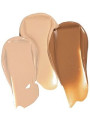
- LipidSoft CC (30%): This is a light emollient (Cetyl Ethylhexanoate) that helps with spreadability and provides a smooth feel. While useful, 30% is a high percentage, especially when combined with the other solid/semi-solid components.
- BB Micro Silk (6%): This silica powder is used for soft focus and masking wrinkles. At 6%, it adds to the overall powder/solid content.
The total percentage of solid or semi-solid ingredients (Mineral makeup, Cetearyl Alcohol, BB Micro Silk, Magnesium Stearate) and high-percentage emollients (LipidSoft CC) in your formula is very high. This composition will likely result in a product that is much thicker than a liquid foundation.
Furthermore, your formula appears to be missing a significant water phase and an emulsifier system designed to create a stable blend of oil and water. Liquid foundations are typically emulsions (oil-in-water or water-in-oil) that require emulsifiers to keep the oil and water components mixed and stable over time.
To create a light-coverage liquid foundation, you would need to significantly adjust the percentages of your ingredients and incorporate a water phase and a suitable emulsifier system.
Here's a breakdown of the ingredients you mentioned and their roles, based on the product descriptions:
- Titanium Dioxide and Iron Oxides (Red, Yellow, Black): These are pigments that provide color and coverage. The non-micronized Titanium Dioxide also contributes to physical sun protection. The FoundationPro™ Iron Oxides are designed for easy dispersion in liquid formulas.
- Sericite Mica: A common filler in makeup powders that provides slip and a smooth feel.
- Zinc Oxide: Another pigment that provides coverage and physical sun protection.
- Magnesium Stearate: Used in powder formulations to improve adhesion to the skin.
- Babassu Oil and Fractionated Coconut Oil: These are emollients that provide moisture and help with the spreadability of the product. Fractionated Coconut Oil is a light, non-greasy oil.
- BB Micro Silk: A spherical silica powder that helps to blur the appearance of wrinkles and pores, providing a soft-focus effect.
- Cetearyl Alcohol: A fatty alcohol used as a thickener and emollient, contributing to the texture and feel of creams and lotions.
- LipidSoft CC: A light emollient (Cetyl Ethylhexanoate) that enhances spreadability and provides a smooth, non-greasy feel.
- Dimethicone: A silicone fluid that provides a smooth, silky feel and helps with spreadability.
- SiliPerse: A pigment disperser specifically designed for use with pigments in silicone-based or highly liquid formulations to prevent thickening.
- Mild Preserved COS: A broad-spectrum preservative to protect the formula from microbial growth.
To formulate a light-coverage liquid foundation, you would typically start with a lower percentage of pigments (Titanium Dioxide, Iron Oxides), incorporate a water phase, select an appropriate emulsifier system for a liquid consistency (which might be different from what is used in creams), and use emollients and silicones at percentages suitable for a liquid texture. Thickeners like Cetearyl Alcohol would be used at much lower concentrations, or alternative liquid thickeners might be considered.
In summary, while your chosen ingredients are relevant to makeup, the current percentages and lack of a water phase and suitable emulsifier system mean this formula is not likely to yield a light-coverage liquid foundation. You would need to reformulate significantly, reducing the powder and solid/semi-solid components and building a proper emulsion base.
Related Products Mentioned
Vitamin E (Tocopheryl Acetate)
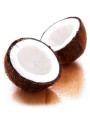
Fractionated Coconut Oil
BB Micro Silk™
Magnesium Stearate
LipidSoft™ CC (Cetyl Ethylhexanoate)
Cetearyl Alcohol (50/50, e.q. Lanette O)
Dimethicone (Light/50, Low-Odor)
Babassu Oil (Refined)

Iron Oxides Red (FoundationPro™)
Iron Oxides Yellow (FoundationPro™)