Liquid Matte Lipstick Formulation: Improving Viscosity and Long-Wear
Question
I am formulating a liquid matte lipstick and need advice on adjusting the formula to achieve a viscous liquid texture (not waxy) and improve color longevity. My current formula includes waxes, Isododecane, Dimethicone, Trimethylsiloxysilicate, and Cyclopentasiloxane. I've found that increasing the waxes results in a waxy, solid texture. How can I adjust the formula to get the desired texture and long-wear properties?
Specifically, I am looking for guidance on:
- How to increase viscosity to a viscous liquid without becoming waxy.
- How to improve the long-wear performance of the lipstick.
Answer
Improving Liquid Matte Lipstick Formula
It sounds like you're working on a liquid matte lipstick and want to improve its viscosity to be a viscous liquid (not waxy) and enhance color longevity. Your current formula includes waxes, Isododecane, Dimethicone, Trimethylsiloxysilicate, and Cyclopentasiloxane. You've found that increasing the waxes in your formula results in a waxy, solid texture instead of the desired liquid viscosity.
This is a common challenge. While waxes provide structure and some viscosity, high amounts can make the product feel heavy and waxy, which isn't the goal for a liquid lipstick texture.
To achieve a viscous liquid texture and improve long wear, you should focus on incorporating film-forming polymers and gelling agents suitable for the oil/silicone phase, rather than relying heavily on waxes for viscosity.
Improving Viscosity and Texture
Instead of increasing waxes, consider using gelling agents that can thicken the oil/silicone phase of your formula. This will help create a viscous, non-waxy liquid texture.
- Disteardimonium Hectorite: This is a common rheology modifier used in cosmetic formulations, particularly in oil and silicone systems. It helps to thicken and stabilize the formula, providing a smooth feel and suspending pigments effectively. You would typically disperse it in your oil/silicone phase and then activate it with a polar material like ethanol or propylene carbonate.
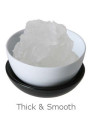
- Silicone Gels: Products like Silicone Gel (Thick & Smooth, Cyclopentasiloxane Base) or Isododecane Gel (Thixotropic) are pre-gelled systems that can directly add viscosity and a smooth texture to your formula's oil/silicone phase. They provide thickening without the waxy feel associated with high levels of solid waxes.
By incorporating one or a combination of these gelling agents, you can increase the viscosity of the liquid phase, giving it that desirable thick liquid consistency. You would likely need to reduce the percentage of the wax-heavy components to avoid the waxy feel.
Enhancing Color Longevity
Long-wearing liquid lipsticks rely on film-forming polymers and volatile carriers. Your formula already contains Trimethylsiloxysilicate, which is an excellent film-former, and Isododecane and Cyclopentasiloxane, which are volatile carriers.
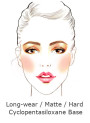
- Trimethylsiloxysilicate: This ingredient forms a durable film on the lips after the volatile carriers evaporate. This film locks the pigments in place, providing long-lasting color. Products like Silicone Film (Very Long-Wear, Hard, Cyclopentasiloxane Base) are concentrated sources of Trimethylsiloxysilicate in a volatile base, designed specifically for long-wear makeup. Increasing the concentration of a suitable film-former like Trimethylsiloxysilicate is key to improving longevity.
- Volatile Carriers (Isododecane, Cyclopentasiloxane): These ingredients help to dissolve and carry the film-former and pigments, allowing for smooth application. They evaporate quickly upon contact with the skin, leaving the film and pigments behind. Ensuring you have sufficient volatile carriers is important for application and the drying-down process that creates the matte, long-wear finish.
Summary of Recommendations:
- Reduce Waxes: Lower the percentage of wax-heavy components (like makilip 03 and makigloss NTR) to minimize the waxy feel.
- Add Gelling Agents: Incorporate gelling agents like Disteardimonium Hectorite, Isododecane Gel (Thixotropic), or Silicone Gel (Thick & Smooth, Cyclopentasiloxane Base) to achieve the desired viscous liquid texture.
- Optimize Film-Former: Ensure your formula contains a sufficient amount of a film-former like Trimethylsiloxysilicate (potentially using a product like Silicone Film (Very Long-Wear, Hard, Cyclopentasiloxane Base)) to create a durable film for long-lasting color.
- Balance Volatile Carriers: Maintain appropriate levels of Isododecane and Cyclopentasiloxane to ensure smooth application and proper film formation upon drying.
By adjusting the ratios of these components – reducing waxes and increasing the film-former and appropriate gelling agents – you should be able to achieve a liquid lipstick with the desired viscous texture and excellent color longevity.
Related Products Mentioned
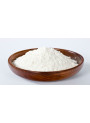
Disteardimonium Hectorite