Liquid Soap Formula Ingredients & Mixing Equipment for Beginners
Question
I have a question about a liquid soap formula and mixing equipment.
Regarding the liquid soap formula with the following ingredients:
- Water
- Propylene Glycol
- Lauric Acid
- Myristic Acid
- Potassium Hydroxide
- Steareth-11
- Fragrance
- o-Cymen-5-ol
- Tetrasodium EDTA
- Polystyrene
- Cl 45190
The staff mentioned this is a high-pH liquid soap (generally around 8-10) that uses Potassium Hydroxide and can be harsh on the skin compared to lower pH liquid soaps. Could you explain the role of each ingredient in this type of formula?
I am a beginner making cosmetics for sale (gels, creams, soaps). I am considering purchasing mixing equipment and am deciding between a Homogenizer (510W) and an Overhead Stirrer (3200W). Which one would you recommend for my needs? Are they used for the same purpose, given their similar price points but different names and wattages?
Answer
Based on the ingredients provided and the information available, this formula is for a high-pH liquid soap, created through the saponification of fatty acids (Lauric Acid and Myristic Acid) with Potassium Hydroxide. As noted in the forum reply, formulas with a high pH (generally above 7, often around 8-10) can be harsh on the skin compared to lower pH liquid soaps.
The exact method and percentages for this specific formula were not provided in the text.
Here is a breakdown of the likely function of each ingredient in this type of formulation:
- Water: Acts as the primary solvent, dissolving other ingredients and forming the base of the liquid soap.
- Propylene Glycol: Functions as a humectant (helps retain moisture), a solvent to help dissolve ingredients and improve stability, and can act as a viscosity reducer to make the product feel smoother.
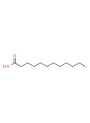
- Lauric Acid: A saturated fatty acid. When reacted with Potassium Hydroxide, it forms Potassium Laurate, which is a soap (surfactant) that provides cleansing and contributes to foam formation. It also has some antimicrobial properties.
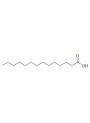
- Myristic Acid: Another saturated fatty acid. Reacts with Potassium Hydroxide to form Potassium Myristate, a soap that contributes to the cleansing properties and helps create a rich lather and creamy texture.
- Potassium Hydroxide: A strong alkaline chemical (a base). It is essential for the saponification process, reacting with the fatty acids (Lauric Acid and Myristic Acid) to convert them into soap molecules (Potassium Laurate and Potassium Myristate). This reaction is what creates the soap base for the hand wash.
- Steareth-11: This is likely a non-ionic surfactant or emulsifier. It can help blend ingredients that don't naturally mix (like oils and water) and can also contribute to the foaming or conditioning properties of the product.
- Fragrance: Added to provide a pleasant scent to the hand wash.
- o-Cymen-5-ol: This ingredient is typically used as an antimicrobial agent or preservative to help prevent the growth of bacteria, yeast, and mold in the product, ensuring its safety and shelf life.
- Tetrasodium EDTA: A chelating agent. It binds to metal ions in water (like calcium and magnesium), preventing them from interfering with the surfactants and other ingredients. This helps maintain the clarity, stability, and foaming ability of the soap, especially in hard water.
- Polystyrene: In cosmetic formulations, polystyrene can be used as an opacifying agent to make the product appear opaque or milky, or as a film former or texturizer.
- Cl 45190: This is a Color Index number, indicating a specific synthetic dye. It is used to impart color to the hand wash. CI 45190 is typically a red colorant.
Regarding your question about mixing equipment:
- Homogenizer: A homogenizer uses high shear force to create very fine and uniform mixtures, often used for emulsions (like creams and lotions) to ensure stability and a smooth texture. They typically operate at very high speeds.
- Overhead Stirrer: An overhead stirrer provides mechanical stirring at various speeds. It is suitable for mixing liquids, dissolving powders, and creating dispersions or simple emulsions.
For making products like gels, creams, and soaps, an overhead stirrer is generally sufficient, especially when you are starting out. As the staff mentioned, you could even begin with simpler equipment like a kitchen blender to practice. A homogenizer is a more specialized and powerful piece of equipment that is most beneficial when you need a very fine and stable emulsion or dispersion, which might be necessary for certain advanced cream formulations but is often not required for basic gels or soaps.
Given that you are just starting to make products for sale, an overhead stirrer would be a more versatile and cost-effective initial investment compared to a homogenizer, and it is suitable for the types of products you mentioned (gels, creams, soaps).
Related Products Mentioned
Propylene Glycol (USP)
Lauric Acid (99%)
Myristic Acid (FEMA-2764)