Liquid Soap Formula Review: Vitamin C Stability and High Fragrance Issues
Question
Hello, could the team please review this formula? Liquid soap formula for skin brightening and reducing dark spots for normal and oily skin: DI Water 31.00%, Vitamin C (L-ascorbic acid) (Fine) 15.00%, Potassium Laurate (30%) 10.00%, English Pear & Freesia 10.00%, emulPearl 5.00%, Glycerin 99.5% 5.00%, GlucoBright™ (Acetyl glucosamine) 4.00%, Safe-B3™ (Vitamin B3, Niacinamide) 4.00%, Lemon Peel Bioferment 3.00%, Lemon Freshy 3.00%, Natural Betaine 3.00%, Ascorbyl Glucoside (AA-2G stabilized vitamin c) 2.00%, Poly-Conditioner Eco 2.00%, Vitamin E (Tocopheryl Acetate) Water-Soluble 1.70%, PaeoniaPreserve™ 1.00%, Protec™ UV (Benzotriazolyl Dodecyl p-Cresol) 0.05%, Protec™ OX (Pentaerythrityl tetra-di-t-butyl hydroxyhydrocinnamate) 0.05%, Disodium EDTA 0.20%. Can this formula be mixed? Thank you.
Answer
Hello, thank you for submitting the formula for review.
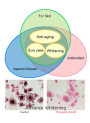
Your formula contains several good ingredients for brightening and reducing dark spots, such as Vitamin C (both L-ascorbic acid and Ascorbyl Glucoside), Niacinamide, Acetyl Glucosamine, Lemon Peel Bioferment, and Paeonia Suffruticosa Root Extract.
However, there are important considerations for this formula:
- Instability of Vitamin C (L-ascorbic acid) in a Soap Base: 15% L-ascorbic acid is a very high concentration, which is good for skin care, but L-ascorbic acid is highly unstable in water, especially under alkaline conditions. Soap bases (Potassium Laurate) are generally alkaline (around pH 8-10). Mixing L-ascorbic acid into an alkaline soap base will cause the vitamin C to degrade rapidly and lose its effectiveness significantly. Although Ascorbyl Glucoside, a more stable form of vitamin C, is included, the high pH can still affect its stability.
- High Fragrance Level: The total fragrance amount (English Pear & Freesia 10% + Lemon Freshy 3%) is very high at 13%, which is much higher than the generally recommended amount for wash-off products. Such a high fragrance level can easily cause skin irritation, especially for sensitive skin.
Conclusion:
While the ingredients can be physically mixed, this formula is not recommended if you aim for the full effectiveness of L-ascorbic acid, as it will degrade quickly in the alkaline soap base, significantly reducing its brightening effect. The very high fragrance level is also a concern for irritation.
Further Suggestions:
- If you want to use L-ascorbic acid for skin brightening, it should be used in other product types with an acidic pH (below 3.5), such as serums or creams.
- If you want to make a liquid soap for brightening, you can modify the formula by using ingredients that are more stable under alkaline conditions, such as Niacinamide, Acetyl Glucosamine, Ascorbyl Glucoside, and various extracts, while potentially reducing or omitting L-ascorbic acid.
- Reduce the fragrance level to a more appropriate and safe level for skin (generally not exceeding 1-2% for wash-off products).
I hope this information is helpful for adjusting your formula. Please feel free to ask if you have any further questions.
Related Products Mentioned
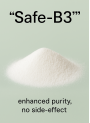
Safe-B3™ (Vitamin B3, Niacinamide)
GlucoBright™ (Acetyl Glucosamine)
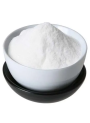
Vitamin C (L-ascorbic acid) (Fine)

Poly-Conditioner Eco