Liquid Soap Hardening and Cloudiness with BabyFoam and Sodium PCA
Question
My liquid soap formula containing BabyFoam (Sodium Cocoyl Isethionate), Sodium PCA, Coco Betaine, Lauryl Glucoside, and Coco Wash is experiencing hardening and becoming cloudy.
- What is causing this issue?
- How can I prevent or resolve the hardening and cloudiness?
- Are there alternative natural foaming agents that provide good foam?
Answer
The problem you encountered in your liquid soap formula, which involves hardening and a cloudy white layer floating on top, is likely caused by the interaction between BabyFoam (Sodium Cocoyl Isethionate), an anionic surfactant, and Sodium PCA, which contains sodium ions.
Sodium PCA acts like a salt. When present in a formula with a high concentration of anionic surfactants like BabyFoam, it causes them to associate and increase the viscosity of the formula. This is similar to how salt (Sodium Chloride) is used to thicken some shampoo or liquid soap formulas. Coco-Betaine, an amphoteric surfactant, can also contribute to this thickening effect by interacting with anionic surfactants like BabyFoam.
How to Solve the Problem:
If you want the liquid soap to remain liquid and clear, consider modifying the formula as follows:
- Reduce or Remove Sodium PCA from the formula: Since Sodium PCA is a primary cause of the thickening and cloudiness, reducing its amount or removing it will help solve this problem. If moisturizing properties are desired, consider using other non-salt-based humectants.
- Adjust the Surfactant Balance: Adjusting the proportions of Coco-Betaine, Lauryl Glucoside, and Coco Wash might help achieve the desired viscosity and foam without relying on Sodium PCA for thickening.
Natural Foaming Agent Alternatives:
BabyFoam (Sodium Cocoyl Isethionate) that you are currently using is already a naturally derived surfactant (from coconut oil) and is known for its high gentleness. If you are looking for other natural foaming agents that provide good foam, you can consider using:
- Sophorolipid: This is a natural surfactant produced by fermentation. It is gentle, provides good foam, and has good cleansing efficiency. However, Sophorolipid may have a brownish color and a specific odor resulting from the natural fermentation process.
Replacing BabyFoam with another surfactant or reducing Sodium PCA will affect the viscosity and foaming characteristics of your product. You may need to experiment with adjusting the proportions of all surfactants in the formula (Coco Betaine, Lauryl Glucoside, Coco Wash, and the new foaming agent if you switch) to achieve the desired texture and foam level.
Related Products Mentioned
Sodium PCA 50%
Lauryl Glucoside
Coco Wash™ (PEG-7 Glyceryl Cocoate)
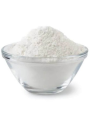
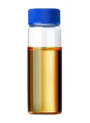
Sophorolipid (Natural Surfactant, 50%)