Long-lasting Cheek and Lip Tint Formulation
Question
I am looking for a formulation for a long-lasting cheek and lip tint. I would like it to have a natural-based feel, but I understand that preservatives are necessary and can be included.
Could you provide guidance on creating a tint with a cream or gel texture?
I am considering using ingredients such as:
- Water
- Emollients/Oils (e.g., Squalane (Olive), Isododecane)
- Thickeners/Emulsifiers (e.g., 'Satin Mousse', 'warp cream maker', natural gums/waxes)
- Pigments (e.g., Titanium Dioxide 300nm Pigment (Non-Treated, Color-Controlled), Iron Oxides Red, Yellow, Black, Brown)
What would be a simple mixing method to achieve a smooth, non-sticky, spreadable texture that holds pigments well and provides long wear?
Answer
Long-Lasting Cheek and Lip Tint Formulation
Based on your request for a long-lasting cheek and lip tint formulation with a natural-based feel (excluding preservatives), and considering the example ingredient list and the helpful reply you received, here is a concept for creating a tint cream or gel.
The core idea is to create a lightweight base that spreads easily and holds the pigments.
Key Base Components
A simple base can be formed by combining a water phase and an oil/emollient phase, stabilized by a thickener or emulsifier.
- Water: The primary solvent.
- Emollients/Oils: Ingredients like Squalane (Olive) provide moisture and a smooth feel. Isododecane is a lightweight, volatile emollient that helps the tint feel less sticky and spread easily, contributing to a thin, long-wearing film.
- Thickener/Emulsifier: This is crucial for creating the gel or cream texture and keeping the water and oil phases mixed. The reply you received suggested using something like 'Satin Mousse' or other texture modifiers like 'Satin mousse' or 'warp cream maker'. You would need to select a suitable ingredient that creates a light, non-greasy texture and is compatible with both water and oil phases. If you prefer a more natural base, look for natural gums or waxes that can create a stable emulsion or gel.
Coloring the Tint
Color is added using pigments. The example formula and the reply correctly identify key pigments:
- Titanium Dioxide: Used to lighten or adjust the opacity of the tint. Titanium Dioxide 300nm Pigment (Non-Treated, Color-Controlled) is a suitable option.
- Iron Oxides: These provide the main color. You can use Iron Oxides Red, Iron Oxides Yellow, Iron Oxides Black, and Iron Oxides Brown in varying ratios to achieve your desired shade.
Simple Mixing Method (Conceptual)
Here is a basic approach, similar to the one suggested in the reply:
- Prepare the Oil/Emollient Phase: Combine emollients like Squalane (Olive) and Isododecane. Add your pigments (Titanium Dioxide and Iron Oxides) to this phase and disperse them thoroughly using a grinder or mortar and pestle to ensure no streaks or clumps of color.
- Prepare the Water Phase: Combine water with your chosen thickener/emulsifier. Mix until the thickener is hydrated and the base starts to form a gel or emulsion.
- Combine Phases: Slowly add the oil/pigment phase to the water/thickener phase while continuously mixing. Continue mixing until a uniform, smooth tint is achieved.
- Add Preservative: Since the formula contains water, a preservative is essential to prevent microbial growth. Add your chosen cosmetic preservative at the recommended usage rate and mix well.
Adjust the ratios of the base ingredients (water, emollients, thickener) to get the desired texture (more gel-like or more creamy). Adjust the pigment ratios to get the desired color intensity and shade.
Remember to always follow good manufacturing practices and test the stability and safety of your final product.
Related Products Mentioned
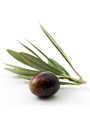
Squalane (Olive)
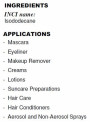
Isododecane (Germany)
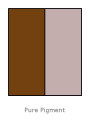
Iron Oxides Brown (non-coated)
Iron Oxides Red (non-coated)