Loose Powder Formulation, Bismuth Oxychloride Removal, and Conversion to Liquid/Pressed Powder
Question
Based on the provided loose powder formula, I have a few questions:
- What type of powder formulation is this?
- Here is the formula I am working with (in grams per 100g batch):
- Silk Mica Powder (Matte): 30 g
- Silk Sericite Powder (Matte): 35 g
- Allantoin: 0.3 g
- Titanium Dioxide Micronized: 5 g
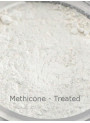
- Zinc Oxide Micronized: 5 g
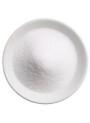
- Bismuth Oxychloride: 3 g
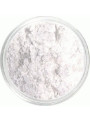
- Magnesium Stearate: 10 g
- Iron Oxide colors (total): 11.7 g
- If I remove the 3g of Bismuth Oxychloride, how can I adjust the formula (specifically, what other powders can I add the 3g back with) to maintain the texture and performance? What effects will removing Bismuth Oxychloride have?
- How can I convert this loose powder formula into a liquid foundation or a pressed powder? What additional ingredients and processes would be needed for each?
Answer
Powder Formulation Assistance
Here is the powder formula you provided, converted to grams based on a total batch size of 100 grams:
Powder Formula (100g Batch)
- Silk Mica Powder (Matte): 30 g
- Silk Sericite Powder (Matte): 35 g
- Allantoin: 0.3 g
- Titanium Dioxide Micronized: 5 g
- Zinc Oxide Micronized: 5 g
- Bismuth Oxychloride: 3 g
- Magnesium Stearate: 10 g
- Iron Oxide colors (total): 11.7 g
(This 11.7g total would be a mix of red, yellow, black, and potentially other iron oxides to achieve your desired skin tone match.)
Total: 100 g
Removing Bismuth Oxychloride
Bismuth Oxychloride is included in powder formulas like this to provide a smooth, luminous, and adherent finish, often described as a "dewy-glow" effect. However, it can cause irritation for some people, especially those with sensitive or oily skin.
If you remove the 3g of Bismuth Oxychloride, your formula will total 97g. To bring the total back to 100g and maintain the powder's texture and performance as much as possible, you would need to add 3g of other powders.
Since Bismuth Oxychloride contributes to smoothness and adhesion, you could consider increasing the amounts of Silk Mica Powder, Silk Sericite Powder, or Talc Powder (if you choose to add it) to compensate for the lost volume and try to maintain a smooth feel. Magnesium Stearate also helps with adhesion and slip, but you are already using 10%, which is a common maximum usage rate, so increasing it significantly might not be ideal.
Removing Bismuth Oxychloride will likely result in a less luminous or "dewy" finish and might slightly affect how the powder adheres to the skin. You may need to experiment with slightly increasing the other base powders (Mica, Sericite, Talc) to find the texture and feel you prefer.
Converting to Liquid Foundation or Pressed Powder
Converting this loose powder formula into a liquid foundation or pressed powder is not a simple matter of just adding a liquid or pressing the powder. It requires significant changes to the formula and the addition of specific ingredients to create the correct texture, stability, and performance.
Liquid Foundation: To make a liquid foundation, you would need to create an emulsion (a mix of oil and water phases) and incorporate the powders into this base. This requires ingredients like:
- Emollients/Oils: Such as LipidSoft™ types (e.g., LipidSoft™ B, LipidSoft™ Lux, LipidSoft™ Shine) to provide a smooth feel and help disperse pigments.
- Emulsifiers: To bind the oil and water phases together.
- Film Formers: Like Oil Film (Hydrogenated Polycyclopentadiene) or Silicone Film (e.g., Silicone Film (Medium-Wear, Soft), Silicone Film (Soft Film, Low Viscosity, Isododecane Base), Silicone Film (Soft Film, Low Viscosity, Cyclopentasiloxane Base)) to help with long wear and water resistance.
- Thickeners/Stabilizers: To achieve the desired consistency and prevent separation.
- Preservatives: Essential for any water-containing product to prevent microbial growth.
- Water: The main component of the water phase.
This is a much more complex formulation process than mixing powders.
Pressed Powder: To make a pressed powder from a loose powder formula, you need to add a binder ingredient. The binder helps the powder particles stick together so they can be pressed into a compact without crumbling, while still allowing the powder to be picked up with a brush or puff. Common binders include certain oils, esters, or silicone derivatives. The amount and type of binder need to be carefully selected to achieve the desired hardness of the pressed powder and how easily it transfers from the pan ("pay-off"). After adding the binder, the mixture is typically pressed into a pan under high pressure.
In summary, while the original formula is a good starting point for a loose powder, creating a liquid foundation or pressed powder requires additional specialized ingredients and a different manufacturing process.
Related Products Mentioned

Allantoin
Talc Powder (5 Micron, Methicone Coated)
Magnesium Stearate
MakeGlow™ Powder (Bismuth Oxychloride)
Zinc Oxide (Micronized)
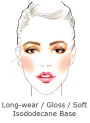
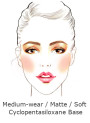
Silicone Film (Medium-Wear, Soft)
Talc Powder (5 Micron, Silane Coated)
LipidSoft™ Lux