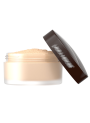
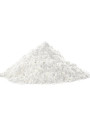
Loose Powder Formulation for Commercial Production (1 kg)
Question
I am looking for guidance on formulating a Loose Powder for commercial production, specifically for a batch size of 1 kg. Could you provide information on:
- The types of ingredients commonly used in loose powder?
- The function of each ingredient type (e.g., base powders, oil absorbers, slip/adhesion agents)?
- Considerations for developing a formula for commercial sale, including achieving desired properties like texture, coverage, oil absorption, and ingredient compatibility?
Answer
Loose Powder Formulation Guidance for Commercial Production (1 kg)
Developing a precise formula with specific percentages for commercial production of Loose Powder (1 kg) is a complex process that requires expertise in balancing ingredients to achieve desired properties such as texture, coverage, oil absorption, and ingredient compatibility, as well as considering regulatory requirements for commercial sale.
While we cannot provide a direct formula with exact percentages for producing 1 kg, we can offer guidance on the types of ingredients commonly used in loose powder to help you in your formulation development.
Generally, Loose Powder consists of the following main components:
- Base Powders: These are the main components that provide the bulk and basic feel of the powder, such as:
- Talc Powder: Helps the powder feel smooth and silky, spreads easily, and provides a soft feel on the skin. Available in various mesh sizes.
- Mica Powder: Helps the powder feel smooth, provides slight coverage, and can offer shimmer or a matte finish depending on the coating.
- Sericite Powder: Similar to Mica but provides a more matte finish. Commonly used in compact powders but can be used in loose powders.
- Oil Absorbers: Help control shine on the face, giving the skin a matte appearance.
- Silica: Has good oil absorption properties, and some types also help blur pores (Soft-Focus), such as MatteSilica or UltraBlur.
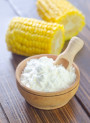
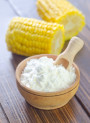
- Starch (Corn Starch or other starches): Helps absorb oil and provides a soft texture.
- Slip and Adhesion Agents: Help the powder spread easily, adhere to the skin, and provide a smooth feel.
- Magnesium Myristate: Helps improve skin adhesion and smoothness.
- SiliSilk™: Silicone powder that provides exceptional softness and smoothness, helps blur wrinkles, and absorbs oil (available in different grades for specific properties).
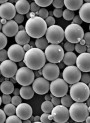
- AllSlip-P™: A powder that provides slip and smoothness as an alternative to silicone.
- Optional Ingredients: Other ingredients may be added for specific properties, such as:
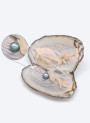
- Pearl Powder: Helps the skin appear brighter and more radiant.
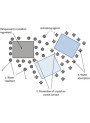
- Anti-Caking Silica: Helps prevent the powder from clumping.
- Pigments: If color is desired for coverage or skin tone adjustment.
For those looking to start commercial production, considering a Translucent Loose Powder Base as a starting point might be helpful. These are pre-made powder bases designed to have properties similar to popular loose powders and can be further customized.
Developing a formula for commercial sale requires experimental adjustments of ingredient ratios to achieve the desired properties, careful consideration of the manufacturing process, and obtaining necessary approvals from relevant authorities before selling the product.
Related Products Mentioned
MatteSilica 5™ (5 Micron)
Mica Powder (20 Micron, Silane Coated)
AllSlip-P™ (Slip Powder)
Anti-Caking Silica
Magnesium Myristate (For Make-up)
Mica Powder (9 Micron, Silane Coated)
Mica Powder (33 Micron, Silane Coated)
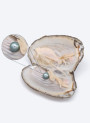
Pearl Powder (Pure, Fine, 200 Mesh)
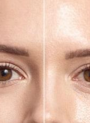
UltraBlur™ (Skin Blurring Silica)