Lotion/Essence Formula Compatibility and Recommendations
Question
I have a formula for a lotion/essence containing Perfect-C™ (Ascorbyl Tetraisopalmitate), WhiteCumin™ (Tetrahydrodiferuloylmethane), Activated Resorcinol™, Ultra Solve™, Light Lotion Maker, Disodium EDTA, Dimethyl Isosorbide (DMI), Lemon Peel Bioferment, Licorice Extract, Xanthan Gum, Ethoxydiglycol, Horse Placenta, and water. I am using Ultra Solve™ to dissolve Activated Resorcinol™ and WhiteCumin™. Are these ingredients compatible, and what additions or adjustments are needed for the formula?
Answer
Formula Compatibility and Recommendations
Your formula includes several potent active ingredients aimed at skin brightening and other benefits. Overall, many of these ingredients can work together, but careful formulation and adjustments are necessary to ensure stability and efficacy.
Here are the key points regarding compatibility and recommendations:
Compatibility Considerations
- pH Level: Several key active ingredients have specific pH requirements for optimal stability and performance.
- Perfect-C™ (Ascorbyl Tetraisopalmitate) requires a formula pH of 6.0 or below.
- Activated Resorcinol™ works best in a pH range of 4.5-5.5.
- Lemon Peel Bioferment is stable within a pH range of 3.5-7.
- Light Lotion Maker is stable in a wide pH range of 4-9.
- Disodium EDTA works in pH 3-9.
- To ensure the best performance and stability for Perfect-C™ and Activated Resorcinol™, you should aim for a final formula pH between 4.5 and 5.5. You will need to use a pH adjuster (like Citric Acid or Lactic Acid solution) to achieve this pH range after all ingredients are mixed.
- Solubility:
- Perfect-C™ and Activated Resorcinol™ are oil-soluble. You are using Ultra Solve™ and Dimethyl Isosorbide (DMI) to help dissolve them, which is appropriate as both can act as solvents or carriers for oil-soluble components. Ensure these actives are fully dissolved in your solvent blend before combining with the water phase.
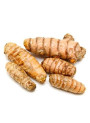
- WhiteCumin™ dissolves in Glycol or Polysorbate 20. Your formula contains Ethoxydiglycol and DMI (which are glycols/glycol ethers) and Ultra Solve™ (which contains PEG-40 Hydrogenated Castor Oil, a solubilizer). These should help dissolve WhiteCumin™, but confirm complete dissolution.
- Water-soluble ingredients like Disodium EDTA, Lemon Peel Bioferment, Licorice Extract, Xanthan Gum, and Horse Placenta should be dissolved in the water phase.
- Specific Ingredient Interactions:
- Perfect-C™ should not be used with Vitamin B3 (Niacinamide) or Zinc PCA. These are not in your current list, so this is not an issue. It requires Disodium EDTA for stability, which you have included at the recommended 0.2%.
- Activated Resorcinol™ should not be used with Alpha Arbutin or AHA due to similar mechanisms or pH incompatibility. These are not in your current list. It also requires Disodium EDTA to help prevent discoloration, which you have included.
- Xanthan Gum (clear gel type) is compatible with most ingredients but should ideally be dispersed in a small amount of glycerin or solvent (like DMI or Ethoxydiglycol) before adding to water to prevent clumping.
Recommendations and Potential Additions
- Adjust Ethoxydiglycol Concentration: The usage rate for Ethoxydiglycol in leave-on products like your lotion/essence is recommended not to exceed 2.6%. Your formula uses 3%. You should reduce the concentration of Ethoxydiglycol to 2.6% or less and increase the water percentage accordingly.
- Add a pH Adjuster: As mentioned above, you must adjust the final pH of your formula to the 4.5-5.5 range. Prepare a solution of Citric Acid or Lactic Acid and add it dropwise while monitoring the pH with a pH meter until the desired range is reached.
- Include a Preservative System: Your formula contains a high percentage of water and several natural extracts (Lemon Peel Bioferment, Licorice Extract, Horse Placenta). This makes it highly susceptible to microbial contamination. You must include a broad-spectrum preservative system to prevent bacterial and fungal growth and ensure the safety and shelf life of your product. Choose a preservative suitable for the target pH range of 4.5-5.5.
- Consider an Antioxidant for Stability: Activated Resorcinol™ and Perfect-C™ can be prone to discoloration over time, especially when exposed to light. While Disodium EDTA helps, adding a dedicated antioxidant like ActiveProtec™ OX (as suggested in the Activated Resorcinol™ description) at around 0.6% can further enhance the stability and prevent color changes.
- High Active Concentration: Your formula contains a significant number of potent active ingredients at relatively high concentrations (Perfect-C™ 10%, Activated Resorcinol™ 0.5%, WhiteCumin™ 0.5%, Lemon Peel Bioferment 3%, Licorice Extract 2%, Horse Placenta 5%). While this combination is designed for strong effects, it also increases the potential for skin irritation, especially for sensitive skin types. The penetration enhancers (DMI, Ethoxydiglycol) can also increase the delivery of these actives, potentially increasing irritation risk. Advise users to patch test the product before full application and consider reducing the concentration of some actives if irritation occurs.
- Packaging: Since Activated Resorcinol™ and Perfect-C™ are light-sensitive, package your final product in an opaque bottle to protect it from light exposure and maintain its efficacy and color stability.
By adjusting the Ethoxydiglycol level, controlling the pH, adding a preservative, and considering an antioxidant, your formula should be more stable and effective. Always perform stability testing and microbial testing on your final product.
Related Products Mentioned
Ethoxydiglycol (e.q. Transcutol)
Disodium EDTA
Lemon Peel Bioferment (Lemon Skin™)
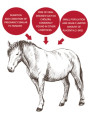
Horse Placenta
Light Lotion Maker
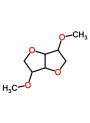
Dimethyl Isosorbide (DMI)