Lotion formula for sensitive skin with dark spots and irritation
Question
I have sensitive skin prone to rashes, itching, and dark spots from previous lesions. I suspect I am sensitive to fragrance or certain ingredients in commercial lotions and have previously experienced itching from Niacinamide, Acetyl Glucosamine, and Double Hyaluron Liquid.
I want to create my own lotion for this skin type. Could you provide guidance on formulating a lotion to soothe irritation, strengthen the skin barrier, and address dark spots? Also, please advise on how to test individual ingredients for sensitivity before making the full formula.
Answer
Lotion Formula Improvement for Sensitive Skin with Dark Spots and Dehydration
Hello! I understand that formulating your own products for the first time can feel uncertain, especially with sensitive skin. I'm happy to provide guidance.
Based on the information you provided about your skin condition (sensitive, prone to rashes and itching, with dark spots from previous lesions, and the observation that you might be sensitive to fragrance or certain ingredients in commercial lotions, as well as your past experience with itching from Vitamin B3 (Niacinamide), GlucoBright™ (Acetyl Glucosamine), and Double Hyaluron Liquid), adjusting the formula to focus on soothing, reducing irritation, and strengthening the skin barrier, while also addressing dark spots, is an appropriate approach.
Suggestions for Your Formula
The formula you've created includes several good ingredients for soothing and nourishing the skin. However, to better address sensitive skin and enhance skin barrier strength, you can consider the adjustments suggested by user C7:
- Water: Adjust the quantity to reach 100% with other ingredients.
- Hi-Quercetin® (Onion Extract): Increase the amount to 10% (from the original 5%). Onion extract has properties that help reduce inflammation, soothe irritation, and improve the appearance of scars, which should be suitable for your skin concerns with rashes and dark spots.
- PhytoHormone™ (Pueraria Mirifica and Soybean Extract): Keep the amount at 5% as originally planned. This ingredient has skin-nourishing properties.
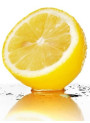
- Lemon Peel Bioferment (Lemon Skin™): Consider omitting this ingredient for now if your primary focus is on reducing irritation and strengthening the skin barrier, as this ingredient targets skin brightening and might increase the chance of irritation in sensitive skin.
- Panthenol (Vitamin B5) ExtraLite™: Keep the amount at 3% or consider omitting it if your skin is not very dry, as suggested by user C7. Panthenol helps with moisture and soothing the skin.
- SKIN-DEFENSE® (Natural Irritation Reducer): Increase the amount to 10% (from the original 5%) to emphasize its properties in reducing irritation and strengthening the skin barrier, which is very important for sensitive skin.
- Light Cream Maker™: Keep the amount at 1% to create a light cream texture.
- Mild Preserved™ (Ethylhexylglycerin): Keep the amount at 1% for preservation.
Summary of Modified Formula (Focusing on Skin Barrier Strengthening):
- Water: Adjust to 100%
- Hi-Quercetin® (Onion Extract): 10%
- PhytoHormone™ (Pueraria Mirifica and Soybean Extract): 5%
- Lemon Peel Bioferment (Lemon Skin™): 0% (Consider omitting)
- Panthenol (Vitamin B5) ExtraLite™: 0% or 3% (Depending on moisture needs)
- SKIN-DEFENSE® (Natural Irritation Reducer): 10%
- Light Cream Maker™: 1%
- Mild Preserved™ (Ethylhexylglycerin): 1%
Mixing Instructions:
- Mix water-soluble ingredients (e.g., Hi-Quercetin®, PhytoHormone™, Panthenol if used) in the water phase.
- Mix Light Cream Maker™ and SKIN-DEFENSE® together. (Based on product information for Portulaca Extract, expected to be SKIN-DEFENSE®, it is water-soluble, so mix it in step 1).
- Pour the entire water phase (containing ingredients 1, 2, 3, 5, 6) into the prepared Light Cream Maker™ (step 2). Stir or blend until the desired cream texture is achieved.
- Add Mild Preserved™ (Ethylhexylglycerin) as the final step. Mix thoroughly.
Testing Ingredients Individually
Regarding your second question about testing ingredients individually by mixing small amounts with water to check for allergic reactions beforehand, yes, this is possible. It's a good way to identify if you are sensitive to a specific ingredient, especially since you've had itching reactions to Vitamin B3 (Niacinamide), GlucoBright™ (Acetyl Glucosamine), and Double Hyaluron Liquid in the past.
Basic Testing Method:
- Choose the ingredient you want to test (e.g., Hi-Quercetin®).
- Mix it at the desired testing concentration (e.g., 5% or 10%) with 90-95% clean water.
- Mix only a small amount for testing purposes (e.g., 10-20 grams).
- Store it in the refrigerator to maintain quality, as the amount of preservative might not be sufficient for long-term storage.
- Apply a small amount to a discreet, sensitive area of your skin (e.g., inner forearm). Observe for any allergic reactions or irritation within 24-48 hours.
- If no reaction occurs, proceed to test the next ingredient.
- Even if you don't react to individual ingredients, you should still test the final complete formula on a small area before applying it everywhere, as the interaction between different ingredients in the full formula might cause a different reaction. Other ingredients like Light Cream Maker™ and Mild Preserved™ could also potentially cause sensitivity.
This step-by-step testing process can help you identify which ingredients might be problematic and reduce the risk of a reaction when using the full formula.
I hope this advice is helpful! Please feel free to ask if you have any further questions.
Related Products Mentioned
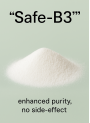
Safe-B3™ (Vitamin B3, Niacinamide)
GlucoBright™ (Acetyl Glucosamine)
Light Cream Maker™
Lemon Peel Bioferment (Lemon Skin™)
Double Hyaluron Liquid
Ethylhexylglycerin
Mild Preserved Eco™ (Preservative-Free)
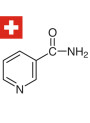
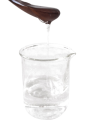
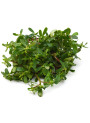
Portulaca Extract (Red/Yellow Liquid)