Lotion formula for very dry, itchy skin: Formulation issues and mixing procedure
Question
I have a lotion formula for very dry, itchy skin with the following ingredients:
- Phase A: Water, Chamomile Extract, Vitamin B5, MOIST24, Natural Moisturizing Amino Acids, Phenoxyethanol
- Phase B: Shea Butter 10%, Oils 15%, Cetearyl Alcohol, Dimethicone, Natural White Beeswax, Butter Cream Maker, Fragrance 3%, Phospholipid
I would like to know about the compatibility of these ingredients. My proposed mixing procedure is to mix Phase A separately, mix Phase B separately, and then combine A and B. Is this mixing procedure correct?
Answer
Subject: Re: Lotion formula for very dry, itchy skin
Thank you for sharing your lotion formula for very dry, itchy skin. Based on your ingredients and the feedback provided, here's an analysis of your questions regarding compatibility and mixing steps:
Ingredient Compatibility:
The ingredients you've chosen are generally compatible and suitable for addressing very dry and itchy skin. Ingredients like Shea Butter, Chamomile Extract, Vitamin B5, MOIST24, Natural Moisturizing Amino Acids, Phospholipid, and Dimethicone are excellent choices for moisturizing, soothing, and improving skin barrier function, which are beneficial for your skin condition.
Formula Adjustments (Based on Feedback):
The staff feedback highlights a couple of points regarding the percentages and placement of some ingredients:
- Fragrance (น้ำหอม): The 3% concentration is quite high for a standard body lotion. It's suitable if you intend it to be a perfumed lotion. For a typical lotion, reducing it to 0.5-1.0% is recommended.
- Oil Phase: The total oil phase (Shea Butter 10% + Oils 15% = 25%) is high, which can make emulsification difficult and result in a heavy texture. The staff recommended reducing the oil content, either by removing the 15% "Oils" entirely (replacing with water) or reducing both "Oils" to 5% and Shea Butter to 5%. This adjustment will help achieve a more stable and pleasant texture.
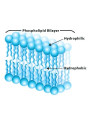
- Phospholipid: This ingredient should not be mixed into the oil phase (B) initially. It should be added after the water and oil phases have been emulsified, during the final cooling phase, and then mixed thoroughly.
Mixing Procedure:
Your proposed method (Mix A, Mix B, then combine A and B) is a good starting point for separating water and oil phases, but it's incomplete and needs modification based on standard lotion making practices and the staff's feedback:
Corrected Mixing Procedure:
- Prepare Phase A: Combine all ingredients in Phase A (Water, Chamomile Extract, Vitamin B5, MOIST24, Natural Moisturizing Amino Acids, Phenoxyethanol) in a heat-resistant container. Heat this phase to 70-80°C.
- Prepare Phase B: Combine all ingredients in Phase B (Shea Butter, Oils (adjusted percentage), Cetearyl Alcohol, Dimethicone, Natural White Beeswax, Butter Cream Maker, Fragrance (adjusted percentage)) in a separate heat-resistant container. Heat this phase to 70-80°C. Ensure both phases reach a similar temperature.
- Emulsification: Slowly add Phase B to Phase A while stirring continuously. Use a homogenizer or high-shear mixer if available for best results, or whisk vigorously. Maintain stirring until the mixture starts to thicken and cool.
- Add Phospholipid: Once the emulsion has formed and cooled down significantly (e.g., below 40°C), add the Phospholipid and continue mixing until fully incorporated and the lotion reaches room temperature.
- Final Check: Check the consistency and pH if necessary.
By adjusting the oil percentages and following the corrected mixing procedure involving heating and adding Phospholipid later, you should be able to create a stable lotion with a smoother feel that is well-suited for very dry and itchy skin.
Related Products Mentioned

Natural Bisabolol (Brazil Chamomile)
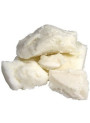
Shea Butter (Refined , Deodorised)
Phenoxyethanol (Extra Pure)
Dimethicone (Medium/350, Low-Odor)
Cetearyl Alcohol (50/50, e.q. Lanette O)
Butter Cream Maker™
MOIST24