Lotion Formulation: Ingredient Function and Impact of Omitting Stearic Acid
Question
In a hot process lotion formula containing Stearic acid, Dimethicone, Glyceryl Stearate, Carbomer, Cetyl Alchohol, and Hydroxyethylcellulose, what are the specific functions of Glyceryl Stearate and Cetyl Alcohol? Also, what would be the effect on the lotion's texture and stability if Stearic Acid were omitted from this formula?
Answer
Understanding Your Lotion Formula
Based on the ingredient list you provided, Glyceryl Stearate and Cetyl Alcohol do indeed function as key components for creating the lotion's texture and stability. They work together as emulsifiers and thickeners in this hot process formulation.
- Glyceryl Stearate: This ingredient acts as an emulsifier, helping to bind the oil and water phases together to form a stable emulsion (the lotion). It also contributes to the viscosity and feel of the cream.
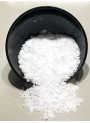
- Cetyl Alcohol: This is a fatty alcohol that functions as a thickener and co-emulsifier. It helps to give the lotion a thicker, creamier texture and also provides emollient properties, helping to soften the skin.
Usage Percentages
The exact percentage of each ingredient needed depends on the desired final texture and the overall formula composition (especially the percentage of the oil phase). However, typical usage ranges are:
- Glyceryl Stearate: Often used in the range of 1-10%. If using Glyceryl Stearate and PEG-100 Stearate, the typical range is 0.5-5%.
- Cetyl Alcohol: Typically used between 0.5-6% to enhance thickness and texture.
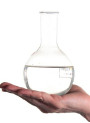
- Glycerin: This is a humectant that attracts moisture to the skin. It also acts as a solvent and helps with the feel of the product. It can be used from 1-100%, but in a lotion, a common range is 2-10% to provide hydration without feeling sticky.
Effect of Omitting Stearic Acid
Stearic Acid is another fatty acid commonly used in creams and lotions. In your formula, it contributes significantly to the structure, thickness, and stability of the emulsion, especially in a hot process method. It also acts as an emollient, providing a protective barrier on the skin and improving texture.
If you were to remove Stearic Acid, the lotion would likely be:
- Thinner: Stearic Acid is a primary structuring agent.
- Less Stable: The emulsion might be more prone to separating over time.
- Different Feel: The texture and skin feel would change, potentially feeling less rich or protective.
Therefore, removing Stearic Acid would have a notable impact on the final texture and stability of your lotion.
Related Products Mentioned
Glycerin (USP/Food Grade)
Cetyl Alcohol