Low-Odor Ingredient Alternatives for Formula Stability
Question
Seeking recommendations for low-odor alternatives to Mild Preserved Eco, Protect OX, and Protect UV to address a strong, unpleasant smell in a cosmetic formula, specifically asking for alternatives for preservatives, UV protectors (for formula), and anti-discoloration/anti-odor agents.
Answer
Low-Odor Ingredient Recommendations
1. Preservatives
You mentioned using Mild Preserved Eco™, which the description states is odorless. However, if you are experiencing an odor, it might be due to the combination with other ingredients in your specific formula.
Here are some alternative preservatives explicitly described as having no or low odor:
- Mild Preserved™ COS (pH 2-8, Broad Spectrum, No-Odor): This preservative is described as odorless and water-soluble, effective in a wide pH range.
- Mild Preserved CGZ™ (Preservative-Free, Wide-pH Range): This is also described as having no odor and is effective over a wide pH range.
- Pentylene Glycol (Low-Odor): While not a standalone broad-spectrum preservative, Pentylene Glycol is described as low-odor and can act as a preservative booster, potentially allowing you to use a lower concentration of other preservatives.
2. UV Protectors
You are currently using Protect UV, which is designed to protect the formula itself from UV degradation. The description for Protect UV does not mention a strong odor. If you are detecting an odor, it could be from other components in your formula interacting with it.
Finding a completely odorless UV protector specifically for formula protection can be challenging. Protect UV is an effective option for this purpose. If the odor is a significant issue, you might consider reviewing all ingredients in your formula to identify potential odor sources or interactions.
3. Anti-Discoloration and Anti-Odor Change
You mentioned using Protect OX, which is an antioxidant. Antioxidants help prevent ingredients from degrading due to oxidation, which can cause color and odor changes.
Here are some alternatives or additions that can help with preventing color and odor changes, including some specifically designed to absorb odors:
- Antioxidants:
- tert-Butylhydroquinone (TBHQ): A powder antioxidant.
- Butylated Hydroxytoluene (BHT): Another powder antioxidant.
These are generally low odor powders used at low concentrations.
- Odor Absorbers:
- Odor-Kill™: This is an odorless white powder designed to absorb odors in the formula. It's particularly effective for chemical or natural extract odors. Note that it can also absorb fragrance, so it's not suitable for perfumed formulas.
- Citromask™ (Natural Deodorizer): Described as a deodorant without odor itself, which can help neutralize odors from other ingredients.
To address the odor in your formula, you could consider switching your preservative to one explicitly listed as odorless like Mild Preserved™ COS or Mild Preserved CGZ™. For preventing color and odor changes, using antioxidants like TBHQ or BHT is standard practice. If there's still a noticeable odor from the ingredients themselves, incorporating an odor absorber like Odor-Kill™ or Citromask™ could be beneficial, provided it's compatible with your formula and fragrance (if any).
Related Products Mentioned
Mild Preserved Eco™ (Preservative-Free)

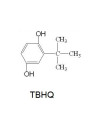
tert-Butylhydroquinone (TBHQ)
Odor-Kill™
Pentylene Glycol (Low-Odor)

Citromask™ (Natural Deodorizer)