Making Lip Gloss and Lip Balm: Ingredients, Vitamin E, and Oils for a School Project
Question
I am working on a school project to make lip gloss and lip balm. I have a recipe but have some questions about the ingredients.
- What ingredients should I use for lip gloss?
- Which type of Vitamin E should be used, specifically asking about Vitamin E (Tocopheryl Acetate) and Vitamin E (d-alpha tocopherol)?
- Which type of oil should I use? I found a foreign recipe that mentions Lavender oil, but I am unsure which type to use for lip gloss and lipstick.
Answer
Guide to Making Lip Gloss and Lip Balm for Your School Project
Creating lip gloss and lip balm is a fun project! Here is some information to help you understand the ingredients and process:
Key Ingredients
Lip gloss and lip balm primarily consist of oils, butters, and waxes. The specific combination and ratios determine the final texture and properties.
- Oils: Provide shine, slip, and emolliency. Examples include Jojoba Oil and Mineral Oil. These help make the product feel smooth and moisturizing.
- Butters: Add richness, texture, and conditioning properties. Shea Butter is a popular choice.
- Waxes: Provide structure and thickness, especially important for lip balm to solidify. Common waxes include Beeswax and Candelilla Wax. Waxes also help the product stay on the lips.
Vitamin E
There are different types of Vitamin E with different purposes:
- Vitamin E (Tocopheryl Acetate): This is a stable form often used as an antioxidant in the formula itself. It helps prevent the oils from going rancid, extending the product's shelf life.
- Vitamin E (dl-alpha tocopherol): This form is often chosen for its skin-nourishing benefits and antioxidant properties on the skin. It is less stable than Tocopheryl Acetate and may require careful storage.
For your project, if you want to protect the oils in your formula from oxidizing, Vitamin E (Tocopheryl Acetate) is a good choice. If you primarily want to add skin conditioning benefits, Vitamin E (dl-alpha tocopherol) could be considered, but be mindful of its stability.
Colorants
To add color without glitter, you will need cosmetic-grade pigments or dyes approved for use in lip products. These come in various colors and forms (like powders) that can be dispersed into the oil base.
Smooth, Non-Irritating Texture
A smooth, pleasant texture comes from using high-quality cosmetic-grade oils, butters, and waxes in the right balance. Emollient oils like Jojoba Oil and butters like Shea Butter contribute to a luxurious feel. Using ingredients that are refined and deodorized (like some types of Jojoba Oil and Shea Butter) can also help minimize potential irritation and off- mùi.
Lavender Oil and Other Oils
When a recipe mentions "Lavender oil" for fragrance in lip products, it typically refers to Lavender Essential Oil. Essential oils are very concentrated and are used in very small amounts (usually just a drop or two per batch) purely for scent. For the main oily base of your lip gloss or balm, you would use carrier oils or emollients like Mineral Oil, Jojoba Oil, or derivatives of Castor Oil (such as PEG-40 Hydrogenated Castor Oil).
Lip Balm vs. Lipstick
Lip balm and lipstick are different:
- Lip Balm: Focuses on moisturizing and protecting the lips. It generally contains a higher ratio of oils and butters to wax, resulting in a softer texture, often clear or sheer color.
- Lipstick: Focuses on providing opaque color. It contains more wax and pigments than lip balm, giving it a firmer structure and intense color payoff.
Preservatives
Traditional lip gloss and lip balm formulas are typically anhydrous (contain no water). Since bacteria and mold need water to grow, these products usually do not require a preservative against microbial contamination. However, it is common to include an antioxidant like Vitamin E (Tocopheryl Acetate) to prevent the oils from becoming rancid over time.
Equipment and Quantities
For small, experimental batches for a school project, you likely do not need a special mixer. You can usually melt the ingredients together gently using a double boiler or microwave (with caution) and stir manually until well combined. As the mixture cools, continue stirring to ensure the colorants and other ingredients remain evenly dispersed.
Regarding quantities, I cannot provide specific formulas or percentages. Developing a functional and pleasant cosmetic product requires experimentation to find the right balance of ingredients for your desired texture, hardness, and feel. You would typically start with a basic recipe structure (e.g., X% wax, Y% butter, Z% oil) and adjust based on your results.
Good luck with your project!
Related Products Mentioned
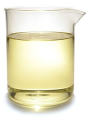
Vitamin E (Tocopheryl Acetate)
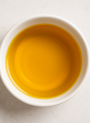
Jojoba Oil (Golden - Deodorized)
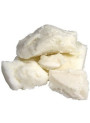
Shea Butter (Refined , Deodorised)
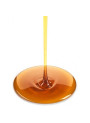
Vitamin E (dl-alpha tocopherol)
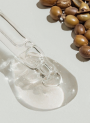
Jojoba Oil (Clear - Deodorized)
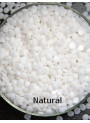
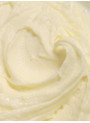
Shea Butter (Ultra Soft)
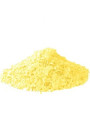
Candelilla Wax (Refined, Melting 70C)

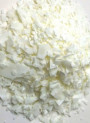
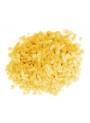
Yellow Beeswax