Making Pressed Powder Formula
Question
I have a powder formula containing ingredients like:
- Titanium Dioxide
- Zinc Oxide
- Mica
- Boron Nitride
- Silica (including treated types like EasyDisperse™, UltraBlur™)
- Safflower Seed Oil
- Vitamin E (Tocopheryl Acetate)
- Vitamin A Palmitate (retinyl palmitate)
- Vitamin C Ester (Ascorbyl Palmitate)
- Ginkgo Extract (HydroGinkgo™)
- Preservatives (Chlorphenesin, Potassium Sorbate, Sodium Dehydroacetate)
- Colorants (Iron Oxides - Red, Yellow, Black)
- Other ingredients (Tricaprylin, Zinc Stearate, Lauroyl lysine, Calcium Aluminum Borosilicate, Camellia Oleifera Leaf Extract, Chamomilla Recutita Flower Extract, Panax Ginseng Root Extract)
Can I mix this formula myself? What is the process, particularly for making it into a pressed powder? What are the functions of the key ingredients mentioned?
Answer
Yes, you can mix this type of powder formula yourself. As indicated in the forum reply, mixing the ingredients is relatively easy. However, if you want to create a pressed powder product, you will need a pressing tool to compact the powder mixture.
To create this formula, you would need to combine the various powder ingredients and oils. The key is to ensure all powders are finely dispersed and evenly mixed. For the powder components like Titanium Dioxide, Zinc Oxide, Mica, Boron Nitride, and Silica, it's important to use cosmetic grades that are suitable for makeup and potentially sunscreen applications. Ingredients like coated Mica Powder (such as those coated with Methicone or Silane) and treated Titanium Dioxide (like EasyDisperse™) can help improve the texture and spreadability of the powder. Anti-Caking Silica or Skin Blurring Silica (like UltraBlur™) can also be included for texture and oil absorption.
The formula also includes oils and extracts such as Safflower Seed Oil, Vitamin E (Tocopheryl Acetate), Vitamin A Palmitate (retinyl palmitate), Vitamin C Ester (Ascorbyl Palmitate), and Ginkgo Extract (HydroGinkgo™). These oil-soluble ingredients and extracts should be thoroughly mixed with the powders.
Preservatives like Chlorphenesin, Potassium Sorbate, and Sodium Dehydroacetate are included to ensure the product remains stable and free from microbial growth. Colorants like Iron Oxides (Red, Yellow, Black) are used to achieve the desired shade.
Some ingredients listed in the original formula, such as Tricaprylin, Zinc Stearate, Lauroyl lysine, Calcium Aluminum Borosilicate, Camellia Oleifera Leaf Extract, Chamomilla Recutita Flower Extract, and Panax Ginseng Root Extract, may require finding suitable cosmetic-grade alternatives if they are not readily available.
Mixing involves carefully weighing each ingredient according to your desired percentages and then thoroughly blending them. For a loose powder, simple mixing might suffice, but for a pressed powder, the mixture is then placed in a pan and compressed using a specialized tool.
Related Products Mentioned
Vitamin E (Tocopheryl Acetate)
Zinc Oxide (Micronized)
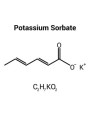
Potassium Sorbate
WhiteMatte3™ (Boron Nitride 3micron)
Mica Powder (20 Micron, Silane Coated)
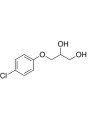
Chlorphenesin
Anti-Caking Silica
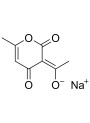
Sodium Dehydroacetate