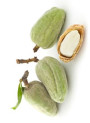
Mandelic Acid: Dissolving, Thickening, and pH
Question
I have questions about using Mandelic Acid in formulations:
- When using Mandelic Acid powder, is it necessary to dissolve it in water separately (e.g., 10% powder in 90% water) before adding it to a formula, or can it be added directly if the formula already contains water?
- How can I create a gel texture in an AHA-based formula, specifically using Mandelic Acid? The answer mentions
Hydroxyethyl Celluloseis recommended for formulas with only AHA due to its resistance to electrolytes and acids. However, if the formula includes other ingredients like oil (e.g., fragrance),Hydroxyethyl Cellulosemay not be suitable. What are the alternatives, or how can oil/fragrance be incorporated (e.g., using a solubilizer likeFlora Solve)? - What is the typical pH range of Mandelic Acid, and how does its strength compare to Glycolic Acid and Lactic Acid?
Answer
Subject: Regarding Mandelic Acid
Here are the answers to your questions about Mandelic Acid:
Mixing Mandelic Acid Powder: You don't necessarily need to dissolve the powder in water separately before adding it to your formula, if your formula already contains water. You can add the powder directly to the formula, and it will dissolve within the formula. Dissolving 10% powder in 90% water separately is only the correct method if you are creating a simple liquid solution consisting only of Mandelic Acid and water, with no other ingredients.
Thickening the Formula: For creating a gel texture in an AHA-based formula that contains only AHA, Hydroxyethyl Cellulose is highly recommended because it is resistant to electrolytes and acids. However, if your formula includes other ingredients, especially oil (like fragrance), Hydroxyethyl Cellulose may not be suitable as it cannot emulsify oil. In such cases, you might need a different thickener/emulsifier, or you could pre-dissolve the oil (e.g., fragrance) in a solubilizer like Flora Solve before adding it to the formula thickened with Hydroxyethyl Cellulose.
pH of Mandelic Acid: The pH of Mandelic Acid is similar to that of Glycolic Acid and Lactic Acid. Among these three AHAs, Glycolic Acid is generally the strongest, followed by Mandelic Acid, and then Lactic Acid is the mildest. The specific pH will also depend on the concentration of Mandelic Acid in the solution.
Related Products Mentioned

Lactic Acid (AHA) 88%
Pro Polymer™ (Gel Maker)
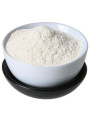
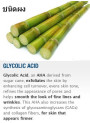
Glycopure™ (Glycolic Acid (AHA) Powder)