Matte Lipstick Issues (White Residue, Settling) and Velvet Texture Formulation
Question
When formulating light-colored matte lipsticks like nude or light pink, how can I resolve issues such as white residue and settling into lip lines? Could you also recommend a formulation approach for achieving a velvet matte texture?
Answer
How to Fix White Residue and Settling in Light Matte Lipsticks and Formulate a Velvet Matte Texture
Issues with light-colored matte lipsticks, such as nude or light pink shades, appearing patchy, showing white residue, and settling into lip lines, often stem from several key factors:
- Poor Pigment Dispersion: Especially with white pigments like Titanium Dioxide used in light shades. If not evenly dispersed, it leads to white streaks or uneven color application.
- Overly Dry Matte Texture: Matte formulas with high levels of waxes or powders can feel dry, lack flexibility, and emphasize lip lines.
- Adhesion to Lips: Formulas without sufficient binding agents may not adhere uniformly to the lips, causing uneven wear and patchiness.
Solutions and Formulation Approaches
To address these problems and develop a smooth, non-settling velvet matte lipstick formula, consider the following ingredient choices and formulation adjustments:
Improve Pigment Dispersion:
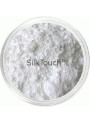
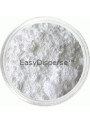
- Use Titanium Dioxide that has been surface-treated for easier dispersion in formulas, such as Titanium Dioxide 200nm EasyDisperse™ (Dimethicone/Silica Treated) or Titanium Dioxide 250nm SilkTouch™ (Dimethicone Treated).
- Incorporate a pigment disperser, like a high-polarity ester such as LipidSoft™ Disperse, to help pigments integrate smoothly into the formula base.
- Properly mill or grind the pigments with the disperser and a portion of the oil phase before adding to the main batch.
Balance Texture for Smoothness and Line Filling:
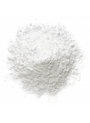
- Include powders that provide slip, easy spreadability, and can help blur or fill fine lines, such as MatteSilica 5™ (5 Micron) which is noted for reducing shadows and providing a smooth, powdery glide in lipsticks, or Sericite Powder (CompactPro™, Matte, Dimethicone Coated), known for its soft, silky feel and easy dispersion.
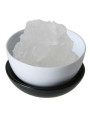
- Consider using WhiteMatte10™ (Boron Nitride 10micron), which is commonly used in lip formulations to help fill lip grooves for a smoother appearance.
- Add Silicone Elastomers or Silicone Gels that offer a soft, smooth, lightweight, non-sticky feel and good spreadability, contributing to a velvet texture and helping to blur imperfections, such as Silicone Gel (Flex/Snail, Dimethicone Base) or Silicone Gel 9040 (e.q. DC 9040, Cyclopentasiloxane Base).
Select Appropriate Oils/Emollients:
- Choose oils or esters that provide a soft, smooth feel and are compatible with the matte formula components to prevent the lipstick from feeling too dry or stiff. Avoid highly glossy oils if a true matte finish is desired. Consider medium to heavy esters that don't emphasize shine, used in balance with powders and silicone gels.
Developing a perfect velvet matte formula requires experimentation with the ratios of waxes, oils, powders, and silicones to achieve the desired texture, spreadability, and coverage. Key is ensuring excellent dispersion of white pigments and incorporating ingredients that provide a soft, smooth feel and help fill lip lines to prevent white residue and settling.
Updated Review: May 2026
This section was added after reviewing the original answer against current product availability and formulation knowledge at the stated point in time.
Update 2026-05-24: The original guidance remains valid. For nude, light pink, or other pale matte lip colors, first correct the dispersion of the white pigment/filler system, especially Titanium Dioxide/CI 77891. Titanium Dioxide does not dissolve in the lip base; it must be fully wetted, dispersed, and deagglomerated in the oil/silicone phase before adding to the final formula. Treated grades such as Titanium Dioxide 200nm EasyDisperse™ or Titanium Dioxide 250nm SilkTouch™, together with a pigment wetter/disperser such as LipidSoft™ Disperse, are still appropriate options.
For a velvet matte texture, do not make the formula too dry. MatteSilica 5™, Sericite Powder CompactPro™ Matte, and WhiteMatte10™ can help adjust blur and slip, but excessive absorbent powder can increase chalkiness and settling into lip lines. Silicone Gel (Flex/Snail, Dimethicone Base) or Silicone Gel 9040 can help improve cushion, glide, and a softer matte feel. For modern long-wear matte liquid lip, an isododecane/silicone-resin style system or a current matte lip base may be considered, but pigment dispersion and film flexibility still need testing. Always confirm that every pigment, colorant, and powder is approved for lip use in the intended market.
Related Products Mentioned
MatteSilica 5™ (5 Micron)