Matte Liquid Lipstick Formulation: Ingredient Function, Percentages, and Mixing
Question
Based on a provided ingredient list for a matte liquid lipstick, I would like to know:
1. What are the required percentages for each ingredient?
2. What is the correct mixing procedure (which ingredients to mix first, or simply add one by one and stir)?
Answer
Based on the ingredient list you provided for the matte liquid lipstick, here is an analysis of how these components contribute to the product's properties:
Key Ingredients for Matte, Long-Lasting, Fast-Drying, and Vivid Color:
- Isododecane: This is a volatile solvent that evaporates quickly after application, contributing significantly to the fast-drying and matte finish. It also helps to dissolve and disperse other ingredients.
- Trimethylsiloxysilicate: A silicone resin that forms a durable, flexible film on the lips. This film is crucial for the long-lasting and transfer-resistant properties of the lipstick.
- Polypropylsilsesquioxane: Another type of silicone polymer, often used as a film former or wax, contributing to the matte finish, wear resistance, and texture.
- DISTEARDIMONIUM HECTORITE: A clay-based thickener that helps to suspend pigments evenly and provides the desired texture (not too liquid). It also contributes to the matte finish and can help prevent settling. Propylene Carbonate is often used with Hectorite clays to help activate them.
- Pigments (Iron Oxides, Titanium Dioxide, various Lakes/Dyes, Mica, Bismuth Oxychloride, etc.): These are the colorants that provide the vivid color payoff. The film-forming base helps to ensure the color is intense and applies evenly in one coat.
Other Ingredients:
- Nylon-12, Silica, Various Silicates (e.g., Aluminum Calcium Sodium Silicate, Calcium Sodium Borosilicate, Synthetic Fluorphlogopite): These are often used as fillers, texturizers, or mattifying agents. Some, like Synthetic Fluorphlogopite or Borosilicates, can also be pearlescent pigments, potentially used here to modify texture or finish subtly, even in a matte product. Silica is particularly effective at absorbing oil and providing a matte look.
- Diisopropyl Dimer Dilinoleate, Hydrogenated Polyisobutene: These are emollients that provide some slip and comfort, counteracting the potential dryness of a highly matte, long-wearing formula.
- Alumina, Tin Oxide: Can function as opacifiers, fillers, or part of pigment coatings.
Regarding your question about percentages and mixing instructions, the ingredient list provides the names of the components but not their specific amounts or the detailed manufacturing process. Formulating cosmetics, especially products like long-wearing liquid lipsticks, is a complex process that requires precise measurements, specific mixing techniques, temperature control, and stability testing. Therefore, I cannot provide you with the exact percentages or step-by-step instructions needed to replicate this specific formula. The list serves as a guide to the types of ingredients used to achieve the described properties.
Related Products Mentioned
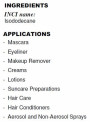
Isododecane (Germany)
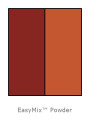
Red Iron Oxides EasyMix™
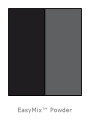
Black Iron Oxides EasyMix™
MakeGlow™ Powder (Bismuth Oxychloride)
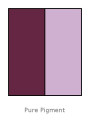
Manganese Violet
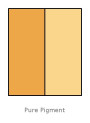
FD&C Yellow No.5 Lake
MatteSilica 5™ (5 Micron)
FD&C Blue No.1 Lake (Brilliant Blue)