MCC (Avicel) for Beverage Stabilization
Question
Can Microcrystalline Cellulose (MCC), also known as Avicel, be used in beverages to prevent separation or sedimentation?
Answer
Microcrystalline Cellulose (MCC) in Beverages for Stabilization
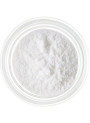
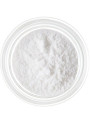
Based on the product information available, the specific types of Microcrystalline Cellulose (MCC), also known as Avicel, found are primarily described for use in solid dosage forms such as tablets and capsules. Their listed applications include use as bulking agents, capsule fillers, tablet disintegrants, and binders.
While MCC is approved as a food additive (E460(i)) and can be used in food products, the descriptions for these particular grades do not indicate their suitability for use in beverages to prevent separation.
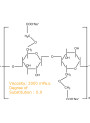
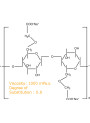
For stabilizing beverages and preventing sedimentation or separation, Microcrystalline Cellulose is often used in a co-processed form with Carboxymethyl Cellulose (CMC). This combination creates a thixotropic gel network that helps suspend particles and stabilize emulsions. CMC itself is also a common thickener and stabilizer used in beverages, and different grades of Carboxymethyl Cellulose were also found in the search results.
Therefore, while MCC can be part of a beverage stabilization system, particularly when co-processed with CMC, the specific MCC products described are not indicated for this application. Carboxymethyl Cellulose (CMC) is a more commonly used stabilizer for preventing separation in beverages, and relevant CMC products were found.