Melasma and Skin Brightening Formula: Mixing, Effectiveness, and Ingredient Usage
Question
I am developing a formula for treating melasma and brightening the skin. I understand that sun protection is the primary solution, and whitening is secondary. I have formulated a cream using Satin Cream Maker with the following ingredients:
- MSH White Absorb™ 5%
- GlucoBright™ 4%
- B3 4%
- Trans-White™ 3%
- WhiteCumin™ 2x 2.5%
- Lemon Peel Bioferment 2%
- Fractionated Coconut Oil
- Phenoxyethanol
- Satin Cream Maker
My questions are:
- Is the mixing method correct (adding water-soluble ingredients to Phase A, oil-soluble to Phase B, adding Satin Cream Maker to A, then combining A and B, and adding Lemon Peel Bioferment and Phenoxyethanol at the end)?
- How effective is this formula for treating melasma and brightening the skin?
- Is this formula suitable for dry skin and thick melasma?
- Can I use ingredients that are close to their expiry date?
Answer
Analysis of Your Melasma and Brightening Formula
Thank you for sharing your formula and questions. Let's break down the mixing method and the potential effectiveness for your skin concerns.
Mixing Method
The mixing method you described is generally correct for creating an emulsion using Satin Cream Maker. You correctly separated the water-soluble ingredients into Phase A and the oil-soluble ingredients into Phase B. Adding the Satin Cream Maker to the water phase (A) and then incorporating the oil phase (B) is the recommended procedure for this emulsifier. Adding the Lemon Peel Bioferment and Phenoxyethanol at the end is also appropriate, provided the mixture's temperature is suitable for these ingredients.
Effectiveness for Melasma and Brightening
Your formula contains a potent combination of ingredients known for their effectiveness in reducing hyperpigmentation and brightening skin tone:
- MSH White Absorb™ (5%): Works by targeting the process of melanin production, helping to lighten dark spots and improve overall skin clarity.
- GlucoBright™ (4%) and B3 (4%): This combination is well-regarded for its synergistic effect in reducing dark spots and improving skin tone. B3 also offers benefits like strengthening the skin barrier and reducing redness.
- Trans-White™ (3%): Tranexamic Acid is a key ingredient specifically used to address melasma and promote a more even complexion. The 3% concentration is the maximum allowed in cosmetics, indicating a focus on treating pigmentation.
- WhiteCumin™ 2x (2.5%): Provides anti-pigmentation and antioxidant benefits, contributing to a brighter look.
- Lemon Peel Bioferment (2%): Acts as a tyrosinase inhibitor, further helping to suppress melanin production and brighten the skin.
Given the inclusion of these active ingredients at effective concentrations, this formula has a strong potential to help reduce the appearance of melasma and contribute to a brighter, more even skin tone.
Suitability for Dry Skin and Thick Melasma
For dry skin, the inclusion of Fractionated Coconut Oil provides some emolliency. However, as the staff also suggested, for very dry skin, you might consider adding more moisturizing ingredients like Double Hyaluron Liquid (1-3%) or Vitamin B5 (1-2%) to enhance hydration. Adequate skin hydration is important for the optimal absorption and effectiveness of the whitening agents.
The combination of multiple powerful whitening ingredients is suitable for addressing thick melasma. However, individuals with dry or sensitive skin should always patch test first, as potent formulations can sometimes cause irritation.
Using Near-Expiry Ingredients
Using ingredients that are close to their expiry date may result in reduced efficacy of the active compounds. Additionally, there is a potential risk of degradation or reduced preservative effectiveness, which could impact the stability and safety of the final product. While you can use them, be aware that the results might not be as pronounced as with fresh ingredients, and observe the product closely for any signs of instability or contamination.
Crucial Role of Sun Protection
It is essential to remember that while this formula contains ingredients to treat existing melasma, consistent and effective sun protection is the most critical factor in preventing melasma from worsening and new spots from forming. Always use a high-SPF, broad-spectrum sunscreen daily, even on cloudy days, and take other sun protection measures like wearing hats and seeking shade.
Related Products Mentioned
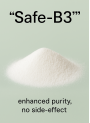
Safe-B3™ (Vitamin B3, Niacinamide)
GlucoBright™ (Acetyl Glucosamine)
Phenoxyethanol (Extra Pure)
Fractionated Coconut Oil
Lemon Peel Bioferment (Lemon Skin™)

Satin Cream Maker™

Trans-White™
Double Hyaluron Liquid

Purified Water, TDS Limit 1PPM)
