Melasma Cream Formula for Normal to Dry Skin
Question
I am trying to make a cream formula for melasma and dark spots, suitable for normal to dry skin. My previous attempt resulted in a liquid/lotion texture. Could you provide a stable cream formula for melasma that addresses texture issues and is suitable for normal to dry skin? Please include details on ingredients, mixing instructions, and considerations for FDA registration.
Answer
Melasma Cream Formula for Normal to Dry Skin
This formula focuses on ingredients that help reduce melasma and dark spots, while providing moisture suitable for normal to dry skin, and is formulated with considerations for cosmetic registration with the FDA (อย.).
Part 1: Water Phase
- Distilled Water: Adjust to 100% total
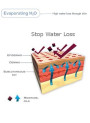
- WaterLock™: 2% (Helps retain skin moisture)
- Disodium EDTA: 0.2% (Helps improve formula stability, especially for Activated Resorcinol™)
- ActiveProtec™ OX: 0.6% (Optional, but recommended to help prevent formula discoloration)
- Satin Mousse™: 2% (Or may increase to 2.5-3% if the cream consistency is too thin when incorporating electrolytes)
Part 2: Oil Phase
- LipidSoft™ Lite: 5% (Lightweight emollient, helps cream spread easily)
- Shea Butter Ultra Soft: 3% (Provides moisture, suitable for dry skin)
- Fractionated Coconut Oil: 2% (Light oil, helps nourish skin)
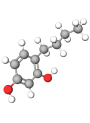
- Activated Resorcinol™: 1% (Key active for reducing melasma and dark spots)
Part 3: Actives & Preservative
- Liquid Azelaic™: 10% (Key active for reducing melasma, oiliness, and clogged pores)
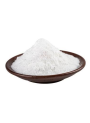
- Tranexamic Acid (Trans-White™): 3% (Key active for reducing pigmentation, suitable for melasma)
- Phenoxyethanol (Extra Pure): 1% (Preservative)
Mixing Instructions:
- Prepare Water Phase: In container 1, combine Distilled Water, WaterLock™, Disodium EDTA, and ActiveProtec™ OX (if used). Stir until dissolved. Gradually add Satin Mousse™ to the water phase and stir or blend at low to medium speed until a gel forms.
- Prepare Oil Phase: In container 2, combine LipidSoft™ Lite, Shea Butter Ultra Soft, and Fractionated Coconut Oil. Gently heat if necessary to melt Shea Butter (not exceeding 50°C). Once the oil phase ingredients are combined, add Activated Resorcinol™ and stir or blend until dissolved in the oil phase (avoid high heat).
- Emulsification: Slowly pour the oil phase (container 2) into the water phase (container 1) little by little while continuously stirring or blending at low to medium speed until the mixture forms a smooth cream.
- Add Actives and Preservative: Once the cream is formed, add Liquid Azelaic™, Tranexamic Acid, and Phenoxyethanol. Stir or blend until well combined.
- pH Adjustment: Check the pH of the cream. It should be adjusted to the range of 4.5-5.5, which is optimal for the stability and efficacy of Activated Resorcinol™. Use a suitable pH adjuster (such as Lactic Acid or Triethanolamine), adding drop by drop while measuring the pH until the desired value is reached.
- Final Mixing: Stir or blend gently again to ensure all ingredients are well incorporated. Avoid excessive high-speed mixing.
- Packaging: The cream should be packaged in an opaque container to protect Activated Resorcinol™ from light, which can cause discoloration.
Notes for FDA (อย.) Registration:
- Tranexamic Acid can be used in cosmetics at a concentration not exceeding 3%. If used at a higher concentration, it must be registered as a drug for melasma treatment.
- Activated Resorcinol™ can be used in leave-on products at a concentration not exceeding 1%.
- Liquid Azelaic™ (Potassium azeloyl diglycinate) can be used in cosmetics as appropriate, generally recommended at 5-10% for skin brightening and oil control benefits.
- This formula uses ingredients that are generally permitted for use in cosmetics according to FDA regulations. If used within the recommended concentrations and manufactured following Good Manufacturing Practices (GMP), it has a high probability of successful cosmetic registration. However, it is advisable to check the latest regulations from the FDA and perform stability testing on the formula before mass production.
Addressing Cream Texture and Discoloration:
- Cream Texture Issues (Thin/Liquid): If using Satin Mousse™ results in a thin cream, it might be due to a high concentration of electrolytes (such as Liquid Azelaic™) in the formula. This can be resolved by increasing the amount of Satin Mousse™ to 2.5-3% or considering the use of Light Cream Maker™ instead. Light Cream Maker™ has a different mixing method where it is added to the oil phase before gradually adding the water phase.
- Discoloration: Activated Resorcinol™ can be prone to color change if the pH is not optimal (should be 4.5-5.5) and is sensitive to light. Adding Disodium EDTA and/or ActiveProtec™ OX can help improve color stability, and packaging in an opaque container is essential.
This formula combines key active ingredients known to be effective for melasma concerns, along with moisturizing ingredients suitable for dry skin, while also considering formula stability and cosmetic registration requirements.
Related Products Mentioned
Light Cream Maker™
Phenoxyethanol (Extra Pure)
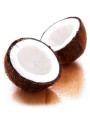
Fractionated Coconut Oil

Shea Butter (Ultra Soft)

Satin Cream Maker™
WaterLock™ (Polyquaternium-51)
Tranexamic Acid (Trans-White™)