Melasma Cream Formulation Feedback and Mixing Procedure
Question
Based on previous discussions about ingredients for melasma/whitening (Koji, Coconut Oil, Radish, Soy, Jojoba), I have developed a specific cream formulation. Could you please provide feedback on this formula and advise on the proper mixing procedure? The formula is as follows:
- Aqua water 79.7%
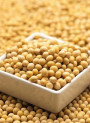
- Soy Extract (Isoflavones / Genistein) 5%
- Kojic Acid Dipalmitate 3%
- Vitamin E (Tocopheryl Acetate) 0.1%
- Natural Betaine (Trimethylglycine) 5%
- Allantoin 0.2%
- Mineral oil (Paraffinum Liquidum) 3%
- Light Cream Maker 1%
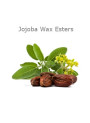
Jojoba Wax PEG-120 Esters 3%
Goal:* Effective treatment for melasma.
Answer
Melasma Cream Formulation Feedback
Thank you for providing your second formula for a melasma cream. I have reviewed your list of ingredients and percentages, as well as the feedback from the staff. Your formula includes several good ingredients for targeting pigmentation.
Your formula consists of:
- Aqua water 79.7%
- Soy Extract (Isoflavones / Genistein) 5%
- Kojic Acid Dipalmitate 3%
- Vitamin E (Tocopheryl Acetate) 0.1%
- Natural Betaine (Trimethylglycine) 5%
- Allantoin 0.2%
- Mineral oil (Paraffinum Liquidum) 3%
- Light Cream Maker 1%
- Jojoba Wax PEG-120 Esters 3%
The percentages you've listed add up to 100% and are generally within typical usage ranges for these ingredients in a cream formulation. This formula is designed as an oil-in-water (O/W) emulsion.
Suggested Mixing Procedure
Here is a general procedure for mixing your current formula:
- Water Phase (Heat to 70-75°C): Combine Aqua, Soy Extract (Isoflaqua™), Natural Betaine, and Allantoin in a heat-resistant container. Heat this phase to 70-75°C while stirring until dissolved.
- Oil Phase (Heat to 70-75°C): In a separate heat-resistant container, combine Mineral oil, Jojoba Wax PEG-120 Esters, Kojic Acid Dipalmitate, and Vitamin E. Heat this phase to 70-75°C. Ensure the Kojic Acid Dipalmitate is fully dissolved in the oil phase with heating (it is oil-soluble).
- Add Emulsifier: Add the Light Cream Maker to the heated oil phase and stir briefly.
- Emulsification: Slowly add the heated oil phase (containing the emulsifier) to the heated water phase while stirring continuously. Increase the mixing speed or use a homogenizer/stick blender to create a stable emulsion. Continue mixing at a moderate speed as the mixture cools.
- Cool Down: Continue stirring until the cream cools to below 40°C.
- Add Preservative & Adjust pH: Add a broad-spectrum preservative (this is a crucial ingredient missing from your list to prevent microbial growth). Check the pH of the final cream and adjust it to a skin-friendly range, typically between 4.5 and 6.0, for optimal stability and efficacy of the active ingredients like Kojic Acid Dipalmitate and Soy Extract.
- Final Mix: Mix thoroughly to ensure all ingredients are evenly dispersed.
Suggestions for Enhanced Melasma Treatment
As the staff mentioned, while Kojic Acid Dipalmitate and Soy Extract are effective for inhibiting new pigment formation, treating existing melasma often requires ingredients that also help break down or exfoliate existing pigment. To potentially enhance the effectiveness of your melasma cream, you could consider incorporating additional ingredients known for their anti-pigmentation and exfoliating properties:
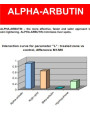
- Alpha Arbutin: Works by inhibiting tyrosinase, reducing melanin production. Effective for brightening and reducing hyperpigmentation. Use at 0.2-2%.
- Niacinamide (Vitamin B3): Helps reduce pigment transfer, improves skin barrier, and has anti-inflammatory effects. Use at 1-10% (5% is common).
- Tranexamic Acid: Helps reduce melasma appearance by inhibiting plasmin activity. Use at 3% in cosmetics.
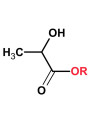
- Exfoliants (e.g., LipidSoft™ Lactic): Can help remove existing pigmented cells. LipidSoft™ Lactic is an oil-soluble option providing mild exfoliation and moisturization. Use at 1-10%.
If you choose to add these ingredients, you would need to adjust the percentage of Aqua accordingly. For example, you could replace some of the water phase with Alpha Arbutin, Niacinamide, and Tranexamic Acid, and add LipidSoft™ Lactic to the oil phase. Remember to adjust the Aqua percentage to ensure the total is 100%.
Always perform stability testing on your final formulation.
Related Products Mentioned
Vitamin E (Tocopheryl Acetate)
Alpha Arbutin (Switzerland)

Safe-B3™ (Vitamin B3, Niacinamide)
Allantoin
Light Cream Maker™
Kojic Acid Dipalmitate
Natural Betaine (Crystal)
Tranexamic Acid (Trans-White™)