Melasma Cream Formulation Review and Adjustment
Question
I have developed a melasma cream formulation targeting thick and widespread pigmentation. I would like to request a review of the formula regarding ingredient compatibility, effectiveness for reducing this type of melasma, and validation of my mixing procedure. I also need advice on potential adjustments.
My proposed formulation includes the following ingredients:
- Potassium Azeloyl Diglycinate
- WhiteCumin™ (Tetrahydrocurcuminoids)
- Vitamin B3 (Niacinamide)
- n-acetyl glucosamine (GlucoBright™)
- Tranexamic Acid
- Lemon Peel Bioferment (Lemon Skin™)
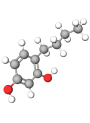
- 4-butylresorcinol (Activated Resorcinol™)
- Sodium Polyacrylate (Light Cream Maker)
- Soy Extract (Isoflavones / Genistein)
- PE-1 Aqua
- Shea butter
- Coconut Oil
- Glycolic Acid (for pH adjustment)
My mixing procedure involves:
- Creating a water phase (A) and an oil/emulsifier phase (B).
- Combining phases A and B while mixing.
- Adding a preservative.
- Adjusting the pH of phase A to 4.5-5.5 using Glycolic Acid.
Please advise on the following:
- Are all ingredients compatible in this formulation?
- Is this combination of ingredients effective for thick and widespread melasma?
- Is the mixing procedure correct?
- Are there any ingredients I should remove or adjust the percentage of for better performance or stability?
Answer
Subject: Melasma Cream Formulation
Thank you for sharing your detailed melasma cream formulation and your positive experience creating your own cosmetics! It's great that you are finding success and value in formulating products tailored to your needs and sharing them with family and friends.
Based on your formula and the discussion:
Ingredient Compatibility and Adjustments:
- The staff confirmed that the ingredients in your formula can be combined.
- Regarding adjustments, the staff suggested removing Soy Extract (Isoflavones / Genistein) from this specific formula. The reason given was that the total amount of active ingredients is quite high, and Soy Extract might be better suited for a separate nourishing formula.
- The staff also noted that you might need to slightly increase the amount of Sodium Polyacrylate (Light Cream Maker) to achieve the desired cream texture, as Potassium Azeloyl Diglycinate can sometimes soften the cream base. This adjustment can be made during the mixing process.
- It's important to note the correction regarding PE-1 Aqua. Although initially suggested for enhanced penetration, the staff clarified that PE-1 Aqua is primarily for water-soluble actives and is not suitable for formulas containing oil-soluble active ingredients, as it can hinder their absorption. Your formula includes oil-soluble actives like 4-butylresorcinol (Activated Resorcinol), shea butter, and Coconut Oil, so adding PE-1 Aqua is not recommended for this specific formulation.
Effectiveness for Reducing Melasma:
- Your formula includes several well-known active ingredients recognized for their efficacy in treating hyperpigmentation and melasma. These include:
- Potassium Azeloyl Diglycinate (a water-soluble derivative of Azelaic Acid)
- WhiteCumin™ (Tetrahydrocurcuminoids)
- Vitamin B3 (Niacinamide)
- n-acetyl glucosamine (GlucoBright™)
- Tranexamic Acid
- Lemon Peel Bioferment (Lemon Skin™)
- 4-butylresorcinol (Activated Resorcinol™)
- These ingredients work through various mechanisms to target melanin production and distribution. Given the combination and concentrations of these potent actives, this formula has strong potential to be effective in reducing the appearance of melasma, particularly for thick and widespread pigmentation as you described.
- Your formula includes several well-known active ingredients recognized for their efficacy in treating hyperpigmentation and melasma. These include:
Mixing Procedure:
- Your mixing procedure, which involves creating a water phase (A) and an oil/emulsifier phase (B), combining them while mixing, and adding a preservative, is a standard and appropriate method for creating an emulsion-based cream.
- The step of adjusting the pH of the water phase (A) to 4.5-5.5 using Glycolic Acid is also correct and important for the stability and efficacy of certain ingredients.
- As mentioned earlier, you may need to slightly adjust the amount of Sodium Polyacrylate (Light Cream Maker) during the mixing process to achieve the desired cream consistency.
Overall, this appears to be a well-thought-out formula with a strong combination of active ingredients targeting melasma. Following the staff's advice regarding Soy Extract and PE-1 Aqua, and potentially adjusting the thickener, should help optimize the formula.
Related Products Mentioned
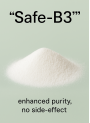
Safe-B3™ (Vitamin B3, Niacinamide)
GlucoBright™ (Acetyl Glucosamine)
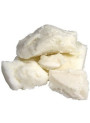
Shea Butter (Refined , Deodorised)
Light Cream Maker™
Phenoxyethanol (Extra Pure)
Fractionated Coconut Oil
Lemon Peel Bioferment (Lemon Skin™)
Shea Butter (Ultra Soft)

Trans-White™

Soy Extract (Isoflavones / Genistein)
Glycopure™ (Glycolic Acid (AHA) Powder)
Purified Water, TDS Limit 1PPM)
